CCL11
Gene Information
- Official Symbol: CCL11
- Official Name: C-C motif chemokine ligand 11
- Aliases and Previous Symbols: N/A
- Entrez ID: 6356
- UniProt: P51671
- Interactions: BioGRID
- PubMed articles: Open PubMed
- OMIM: Open OMIM
Function Summary
- Entrez Summary: This antimicrobial gene is one of several chemokine genes clustered on the q-arm of chromosome 17. Chemokines form a superfamily of secreted proteins involved in immunoregulatory and inflammatory processes. The superfamily is divided into four subfamilies based on the arrangement of the N-terminal cysteine residues of the mature peptide. This chemokine, a member of the CC subfamily, displays chemotactic activity for eosinophils, but not mononuclear cells or neutrophils. This eosinophil-specific chemokine is thought to be involved in eosinophilic inflammatory diseases such as atopic dermatitis, allergic rhinitis, asthma and parasitic infections. [provided by RefSeq, Sep 2014].
- UniProt Summary: In response to the presence of allergens, this protein directly promotes the accumulation of eosinophils, a prominent feature of allergic inflammatory reactions. Binds to CCR3.
Pfam Domains GO Terms
Pfam Domains
| IL8 |
GO Terms
| mammary duct terminal end bud growth |
| CCR3 chemokine receptor binding |
| mast cell chemotaxis |
| mast cell migration |
| response to interleukin-13 |
| modulation of age-related behavioral decline |
| chronic inflammatory response |
| eosinophil chemotaxis |
| eosinophil migration |
| branching involved in mammary gland duct morphogenesis |
| ERK1 and ERK2 cascade |
| CCR chemokine receptor binding |
| response to interleukin-4 |
| mammary gland duct morphogenesis |
| receptor ligand activity |
| monocyte chemotaxis |
| mammary gland morphogenesis |
| lymphocyte chemotaxis |
| mononuclear cell migration |
| chemokine activity |
| mammary gland epithelium development |
| lymphocyte migration |
| chemokine-mediated signaling pathway |
| cell |
| neutrophil chemotaxis |
| granulocyte chemotaxis |
| response to chemokine |
| cellular response to chemokine |
| neutrophil migration |
| positive regulation of actin filament polymerization |
| positive regulation of endothelial cell proliferation |
| gland morphogenesis |
| granulocyte migration |
| developmental growth involved in morphogenesis |
| mammary gland development |
| myeloid leukocyte migration |
| positive regulation of protein polymerization |
| regulation of endothelial cell proliferation |
| branching morphogenesis of an epithelial tube |
| leukocyte chemotaxis |
| regulation of cell shape |
| protein dimerization activity |
| morphogenesis of a branching epithelium |
| cellular response to interferon-gamma |
| positive regulation of angiogenesis |
| regulation of actin filament polymerization |
| morphogenesis of a branching structure |
| cellular response to interleukin-1 |
| response to interferon-gamma |
| regulation of actin polymerization or depolymerization |
| regulation of actin filament length |
| positive regulation of vasculature development |
| positive regulation of epithelial cell proliferation |
| positive regulation of supramolecular fiber organization |
| response to interleukin-1 |
| cell chemotaxis |
| positive regulation of ERK1 and ERK2 cascade |
| positive regulation of cytoskeleton organization |
| regulation of protein polymerization |
| cellular response to tumor necrosis factor |
| actin filament organization |
| positive regulation of protein complex assembly |
| learning or memory |
| regulation of actin filament organization |
| response to tumor necrosis factor |
| aging |
| response to virus |
| regulation of angiogenesis |
| negative regulation of neurogenesis |
| regulation of ERK1 and ERK2 cascade |
| cognition |
| epithelial tube morphogenesis |
| negative regulation of nervous system development |
| regulation of vasculature development |
| negative regulation of cell development |
| regulation of epithelial cell proliferation |
| regulation of actin cytoskeleton organization |
| regulation of supramolecular fiber organization |
| MAPK cascade |
| regulation of cellular component size |
| leukocyte migration |
| regulation of actin filament-based process |
| developmental growth |
| growth |
| signal transduction by protein phosphorylation |
| gland development |
| positive regulation of GTPase activity |
| morphogenesis of an epithelium |
| cellular calcium ion homeostasis |
| response to radiation |
| calcium ion homeostasis |
| regulation of protein complex assembly |
| supramolecular fiber organization |
| cellular divalent inorganic cation homeostasis |
| regulation of GTPase activity |
| regulation of cell morphogenesis |
| divalent inorganic cation homeostasis |
| actin cytoskeleton organization |
| inflammatory response |
| positive regulation of cell migration |
| regulation of anatomical structure size |
| positive regulation of cellular component biogenesis |
| positive regulation of cell motility |
| positive regulation of cellular component movement |
| regulation of cytoskeleton organization |
| positive regulation of MAPK cascade |
| chemotaxis |
| positive regulation of locomotion |
| taxis |
| cellular metal ion homeostasis |
| tissue morphogenesis |
| actin filament-based process |
| behavior |
| positive regulation of organelle organization |
| metal ion homeostasis |
| cellular cation homeostasis |
| cellular ion homeostasis |
| tube morphogenesis |
| cytokine-mediated signaling pathway |
| cation homeostasis |
| negative regulation of cell differentiation |
| inorganic ion homeostasis |
| cellular chemical homeostasis |
| regulation of MAPK cascade |
| innate immune response |
| positive regulation of hydrolase activity |
| ion homeostasis |
| regulation of neurogenesis |
| tube development |
| regulation of cell migration |
| cellular homeostasis |
| regulation of cell motility |
| positive regulation of cell population proliferation |
| regulation of nervous system development |
| cell adhesion |
| regulation of cell development |
| biological adhesion |
| negative regulation of developmental process |
| defense response to other organism |
| animal organ morphogenesis |
| regulation of cellular component biogenesis |
| cell migration |
| protein phosphorylation |
| regulation of locomotion |
| regulation of cellular component movement |
| cellular response to cytokine stimulus |
| positive regulation of protein phosphorylation |
| positive regulation of intracellular signal transduction |
| positive regulation of phosphorylation |
| regulation of anatomical structure morphogenesis |
| cell motility |
| localization of cell |
| response to cytokine |
| cytoskeleton organization |
| chemical homeostasis |
| epithelium development |
| positive regulation of phosphate metabolic process |
| positive regulation of phosphorus metabolic process |
| response to abiotic stimulus |
| negative regulation of multicellular organismal process |
| positive regulation of cellular component organization |
| positive regulation of protein modification process |
| regulation of hydrolase activity |
| phosphorylation |
| regulation of organelle organization |
| response to other organism |
| response to external biotic stimulus |
| locomotion |
| G protein-coupled receptor signaling pathway |
| response to biotic stimulus |
| defense response |
| positive regulation of developmental process |
| nervous system process |
| positive regulation of catalytic activity |
| regulation of protein phosphorylation |
| generation of neurons |
| movement of cell or subcellular component |
| regulation of phosphorylation |
| extracellular space |
| positive regulation of cellular protein metabolic process |
| regulation of cell population proliferation |
| neurogenesis |
| homeostatic process |
| positive regulation of signal transduction |
| intracellular signal transduction |
| positive regulation of protein metabolic process |
| positive regulation of multicellular organismal process |
| tissue development |
| positive regulation of molecular function |
| regulation of phosphate metabolic process |
| regulation of phosphorus metabolic process |
| regulation of cell differentiation |
| positive regulation of cell communication |
| positive regulation of signaling |
| regulation of intracellular signal transduction |
| regulation of protein modification process |
| immune response |
| extracellular region |
| system process |
CRISPR Data
Compound Hit Most Correlated Genes in Chemogenomics Tissues where Essential in the Avana Dataset (DepMap 20Q1)
Compound Hit
No hits were found.
Most Correlated Genes in Chemogenomics
No correlation found to any other genes in chemogenomics.
Tissues where Essential in the Avana Dataset (DepMap 20Q1)
Global Fraction of Cell Lines Where Essential: 0/739
| Tissue | Fraction Of Cell Lines Where Essential |
|---|---|
| 1290807.0 | 0/1 |
| 909776.0 | 0/1 |
| bile duct | 0/28 |
| blood | 0/28 |
| bone | 0/26 |
| breast | 0/33 |
| central nervous system | 0/56 |
| cervix | 0/4 |
| colorectal | 0/17 |
| esophagus | 0/13 |
| fibroblast | 0/1 |
| gastric | 0/16 |
| kidney | 0/21 |
| liver | 0/20 |
| lung | 0/75 |
| lymphocyte | 0/16 |
| ovary | 0/26 |
| pancreas | 0/24 |
| peripheral nervous system | 0/16 |
| plasma cell | 0/15 |
| prostate | 0/1 |
| skin | 0/24 |
| soft tissue | 0/9 |
| thyroid | 0/2 |
| upper aerodigestive | 0/22 |
| urinary tract | 0/29 |
| uterus | 0/5 |
Essentiality in NALM6
- Essentiality Rank: 17169
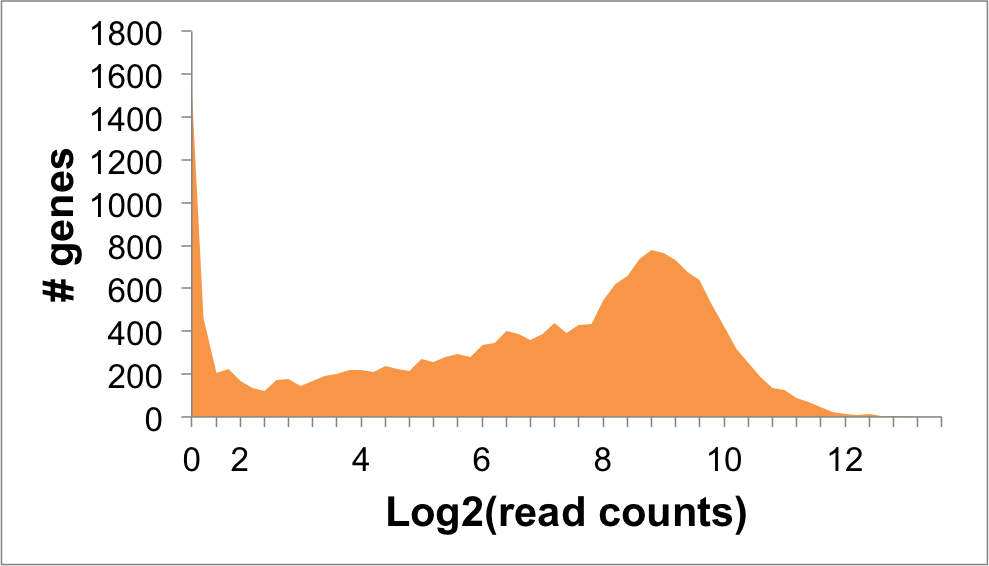
- Expression level (log2 read counts): -3.35
Expression Distribution
CCL11 Expression in NALM6 Cells: -3.35