FCGR2B
Gene Information
- Official Symbol: FCGR2B
- Official Name: Fc fragment of IgG receptor IIb
- Aliases and Previous Symbols: N/A
- Entrez ID: 2213
- UniProt: P31994
- Interactions: BioGRID
- PubMed articles: Open PubMed
- OMIM: Open OMIM
Function Summary
- Entrez Summary: The protein encoded by this gene is a low affinity receptor for the Fc region of immunoglobulin gamma complexes. The encoded protein is involved in the phagocytosis of immune complexes and in the regulation of antibody production by B-cells. Variations in this gene may increase susceptibilty to systemic lupus erythematosus (SLE). Several transcript variants encoding different isoforms have been found for this gene. [provided by RefSeq, Jun 2010].
- UniProt Summary: Receptor for the Fc region of complexed or aggregated immunoglobulins gamma. Low affinity receptor. Involved in a variety of effector and regulatory functions such as phagocytosis of immune complexes and modulation of antibody production by B- cells. Binding to this receptor results in down-modulation of previous state of cell activation triggered via antigen receptors on B-cells (BCR), T-cells (TCR) or via another Fc receptor. Isoform IIB1 fails to mediate endocytosis or phagocytosis. Isoform IIB2 does not trigger phagocytosis.
Pfam Domains GO Terms
Pfam Domains
No Pfam Domain information is available for this gene.
GO Terms
| negative regulation of type IIa hypersensitivity |
| regulation of B cell antigen processing and presentation |
| immune complex clearance by monocytes and macrophages |
| negative regulation of antibody-dependent cellular cytotoxicity |
| negative regulation of type I hypersensitivity |
| low-affinity IgG receptor activity |
| negative regulation of type II hypersensitivity |
| immune complex clearance |
| negative regulation of hypersensitivity |
| negative regulation of cytotoxic T cell degranulation |
| regulation of immune complex clearance by monocytes and macrophages |
| regulation of cytotoxic T cell degranulation |
| follicular B cell differentiation |
| regulation of antibody-dependent cellular cytotoxicity |
| follicular dendritic cell activation |
| regulation of type I hypersensitivity |
| negative regulation of dendritic cell antigen processing and presentation |
| regulation of type II hypersensitivity |
| regulation of type IIa hypersensitivity |
| negative regulation of acute inflammatory response to antigenic stimulus |
| negative regulation of neutrophil activation |
| negative regulation of dendritic cell differentiation |
| negative regulation of humoral immune response mediated by circulating immunoglobulin |
| negative regulation of T cell mediated cytotoxicity |
| negative regulation of B cell receptor signaling pathway |
| regulation of hypersensitivity |
| negative regulation of antigen processing and presentation |
| negative regulation of B cell mediated immunity |
| negative regulation of immunoglobulin mediated immune response |
| regulation of humoral immune response mediated by circulating immunoglobulin |
| negative regulation of immunoglobulin production |
| regulation of dendritic cell antigen processing and presentation |
| IgG binding |
| regulation of dendritic spine maintenance |
| negative regulation of myeloid leukocyte mediated immunity |
| regulation of neutrophil activation |
| negative regulation of inflammatory response to antigenic stimulus |
| negative regulation of humoral immune response |
| negative regulation of acute inflammatory response |
| regulation of acute inflammatory response to antigenic stimulus |
| negative regulation of leukocyte degranulation |
| regulation of dendritic cell differentiation |
| negative regulation of macrophage activation |
| negative regulation of B cell proliferation |
| positive regulation of humoral immune response |
| negative regulation of leukocyte mediated cytotoxicity |
| mature B cell differentiation involved in immune response |
| negative regulation of interleukin-10 production |
| negative regulation of T cell mediated immunity |
| negative regulation of phagocytosis |
| regulation of antigen processing and presentation |
| negative regulation of cell killing |
| mast cell activation |
| mature B cell differentiation |
| regulation of inflammatory response to antigenic stimulus |
| negative regulation of regulated secretory pathway |
| regulation of B cell receptor signaling pathway |
| negative regulation of antigen receptor-mediated signaling pathway |
| negative regulation of B cell activation |
| regulation of T cell mediated cytotoxicity |
| negative regulation of exocytosis |
| negative regulation of production of molecular mediator of immune response |
| positive regulation of response to endoplasmic reticulum stress |
| negative regulation of lymphocyte mediated immunity |
| cellular response to amyloid-beta |
| negative regulation of adaptive immune response based on somatic recombination of immune receptors built from immunoglobulin superfamily domains |
| B cell activation involved in immune response |
| regulation of acute inflammatory response |
| negative regulation of adaptive immune response |
| negative regulation of leukocyte mediated immunity |
| response to amyloid-beta |
| regulation of leukocyte degranulation |
| regulation of B cell mediated immunity |
| regulation of immunoglobulin mediated immune response |
| regulation of interleukin-10 production |
| regulation of macrophage activation |
| regulation of myeloid leukocyte mediated immunity |
| regulation of B cell proliferation |
| regulation of antigen receptor-mediated signaling pathway |
| regulation of immunoglobulin production |
| negative regulation of cytokine secretion |
| positive regulation of phagocytosis |
| regulation of T cell mediated immunity |
| cell body |
| negative regulation of lymphocyte proliferation |
| negative regulation of mononuclear cell proliferation |
| regulation of leukocyte mediated cytotoxicity |
| negative regulation of leukocyte proliferation |
| amyloid-beta binding |
| regulation of response to endoplasmic reticulum stress |
| positive regulation of neuron death |
| regulation of phagocytosis |
| regulation of postsynapse organization |
| antigen processing and presentation of exogenous peptide antigen via MHC class II |
| antigen processing and presentation of peptide or polysaccharide antigen via MHC class II |
| antigen processing and presentation of peptide antigen via MHC class II |
| negative regulation of leukocyte differentiation |
| regulation of cell killing |
| cerebellum development |
| B cell differentiation |
| negative regulation of T cell activation |
| lymphocyte activation involved in immune response |
| metencephalon development |
| negative regulation of immune effector process |
| negative regulation of leukocyte cell-cell adhesion |
| phagocytosis, engulfment |
| negative regulation of protein secretion |
| immune response-regulating cell surface receptor signaling pathway involved in phagocytosis |
| Fc-gamma receptor signaling pathway involved in phagocytosis |
| negative regulation of inflammatory response |
| negative regulation of hemopoiesis |
| regulation of humoral immune response |
| Fc receptor mediated stimulatory signaling pathway |
| plasma membrane invagination |
| positive regulation of JNK cascade |
| negative regulation of peptide secretion |
| Fc-gamma receptor signaling pathway |
| regulation of production of molecular mediator of immune response |
| regulation of adaptive immune response based on somatic recombination of immune receptors built from immunoglobulin superfamily domains |
| negative regulation of lymphocyte activation |
| membrane invagination |
| dendritic spine |
| negative regulation of immune response |
| regulation of lymphocyte mediated immunity |
| hindbrain development |
| B cell activation |
| regulation of adaptive immune response |
| regulation of regulated secretory pathway |
| positive regulation of stress-activated MAPK cascade |
| positive regulation of stress-activated protein kinase signaling cascade |
| regulation of signaling receptor activity |
| negative regulation of leukocyte activation |
| negative regulation of cell-cell adhesion |
| antigen processing and presentation of exogenous peptide antigen |
| negative regulation of protein transport |
| antigen processing and presentation of exogenous antigen |
| regulation of JNK cascade |
| negative regulation of establishment of protein localization |
| antigen processing and presentation of peptide antigen |
| cellular response to molecule of bacterial origin |
| negative regulation of cell activation |
| negative regulation of secretion by cell |
| regulation of cytokine secretion |
| regulation of leukocyte mediated immunity |
| immunoglobulin mediated immune response |
| negative regulation of defense response |
| regulation of B cell activation |
| regulation of lymphocyte proliferation |
| B cell mediated immunity |
| regulation of mononuclear cell proliferation |
| cellular response to biotic stimulus |
| antigen processing and presentation |
| regulation of synapse organization |
| regulation of leukocyte proliferation |
| regulation of exocytosis |
| regulation of synapse structure or activity |
| negative regulation of secretion |
| regulation of stress-activated MAPK cascade |
| regulation of stress-activated protein kinase signaling cascade |
| lymphocyte differentiation |
| receptor-mediated endocytosis |
| Fc receptor signaling pathway |
| lymphocyte mediated immunity |
| protein-containing complex binding |
| regulation of leukocyte differentiation |
| negative regulation of cell adhesion |
| negative regulation of cytokine production |
| adaptive immune response based on somatic recombination of immune receptors built from immunoglobulin superfamily domains |
| regulation of leukocyte cell-cell adhesion |
| regulation of neuron death |
| regulation of T cell activation |
| response to molecule of bacterial origin |
| cellular response to peptide |
| phagocytosis |
| leukocyte differentiation |
| regulation of inflammatory response |
| negative regulation of response to external stimulus |
| lymphocyte activation |
| external side of plasma membrane |
| regulation of cell-cell adhesion |
| negative regulation of immune system process |
| immune response-activating cell surface receptor signaling pathway |
| regulation of hemopoiesis |
| regulation of innate immune response |
| regulation of protein secretion |
| regulation of immune effector process |
| response to peptide |
| immune response-regulating cell surface receptor signaling pathway |
| negative regulation of transport |
| regulation of peptide secretion |
| inflammatory response |
| regulation of lymphocyte activation |
| regulation of response to biotic stimulus |
| positive regulation of MAPK cascade |
| regulation of vesicle-mediated transport |
| endocytosis |
| hemopoiesis |
| immune response-activating signal transduction |
| myeloid leukocyte activation |
| immune response-regulating signaling pathway |
| cellular response to organonitrogen compound |
| regulation of leukocyte activation |
| hematopoietic or lymphoid organ development |
| adaptive immune response |
| leukocyte activation involved in immune response |
| cell activation involved in immune response |
| activation of immune response |
| regulation of cell activation |
| immune system development |
| cellular response to nitrogen compound |
| negative regulation of cell population proliferation |
| import into cell |
| regulation of cell adhesion |
| response to bacterium |
| regulation of plasma membrane bounded cell projection organization |
| regulation of cytokine production |
| positive regulation of cell death |
| viral process |
| regulation of protein transport |
| regulation of cell projection organization |
| negative regulation of cell differentiation |
| regulation of cellular response to stress |
| regulation of peptide transport |
| brain development |
| regulation of establishment of protein localization |
| regulation of secretion by cell |
| regulation of MAPK cascade |
| regulation of defense response |
| leukocyte mediated immunity |
| regulation of multi-organism process |
| head development |
| symbiotic process |
| regulation of secretion |
| interspecies interaction between organisms |
| membrane organization |
| positive regulation of immune response |
| leukocyte activation |
| negative regulation of developmental process |
| central nervous system development |
| positive regulation of transport |
| response to organonitrogen compound |
| positive regulation of protein phosphorylation |
| positive regulation of intracellular signal transduction |
| regulation of protein localization |
| cellular response to oxygen-containing compound |
| positive regulation of phosphorylation |
| cell activation |
| response to nitrogen compound |
| immune effector process |
| regulation of response to external stimulus |
| positive regulation of phosphate metabolic process |
| positive regulation of phosphorus metabolic process |
| regulation of immune response |
| positive regulation of immune system process |
| negative regulation of multicellular organismal process |
| cellular response to endogenous stimulus |
| positive regulation of protein modification process |
| negative regulation of signal transduction |
| response to other organism |
| response to external biotic stimulus |
| response to biotic stimulus |
| defense response |
| negative regulation of cell communication |
| negative regulation of signaling |
| integral component of plasma membrane |
| regulation of protein phosphorylation |
| response to endogenous stimulus |
| regulation of response to stress |
| response to oxygen-containing compound |
| regulation of phosphorylation |
| positive regulation of cellular protein metabolic process |
| regulation of cell population proliferation |
| negative regulation of response to stimulus |
| positive regulation of signal transduction |
| regulation of immune system process |
| regulation of cell death |
| positive regulation of protein metabolic process |
| regulation of phosphate metabolic process |
| regulation of phosphorus metabolic process |
| regulation of cell differentiation |
| positive regulation of cell communication |
| positive regulation of signaling |
| regulation of intracellular signal transduction |
| regulation of protein modification process |
| regulation of transport |
| immune response |
| vesicle-mediated transport |
CRISPR Data
Compound Hit Most Correlated Genes in Chemogenomics Tissues where Essential in the Avana Dataset (DepMap 20Q1)
Compound Hit
No hits were found.
Most Correlated Genes in Chemogenomics
| Gene | Correlation |
|---|---|
| POLR2J3 | 0.403 |
Tissues where Essential in the Avana Dataset (DepMap 20Q1)
Global Fraction of Cell Lines Where Essential: 0/739
| Tissue | Fraction Of Cell Lines Where Essential |
|---|---|
| 1290807.0 | 0/1 |
| 909776.0 | 0/1 |
| bile duct | 0/28 |
| blood | 0/28 |
| bone | 0/26 |
| breast | 0/33 |
| central nervous system | 0/56 |
| cervix | 0/4 |
| colorectal | 0/17 |
| esophagus | 0/13 |
| fibroblast | 0/1 |
| gastric | 0/16 |
| kidney | 0/21 |
| liver | 0/20 |
| lung | 0/75 |
| lymphocyte | 0/16 |
| ovary | 0/26 |
| pancreas | 0/24 |
| peripheral nervous system | 0/16 |
| plasma cell | 0/15 |
| prostate | 0/1 |
| skin | 0/24 |
| soft tissue | 0/9 |
| thyroid | 0/2 |
| upper aerodigestive | 0/22 |
| urinary tract | 0/29 |
| uterus | 0/5 |
Essentiality in NALM6
- Essentiality Rank: 15527
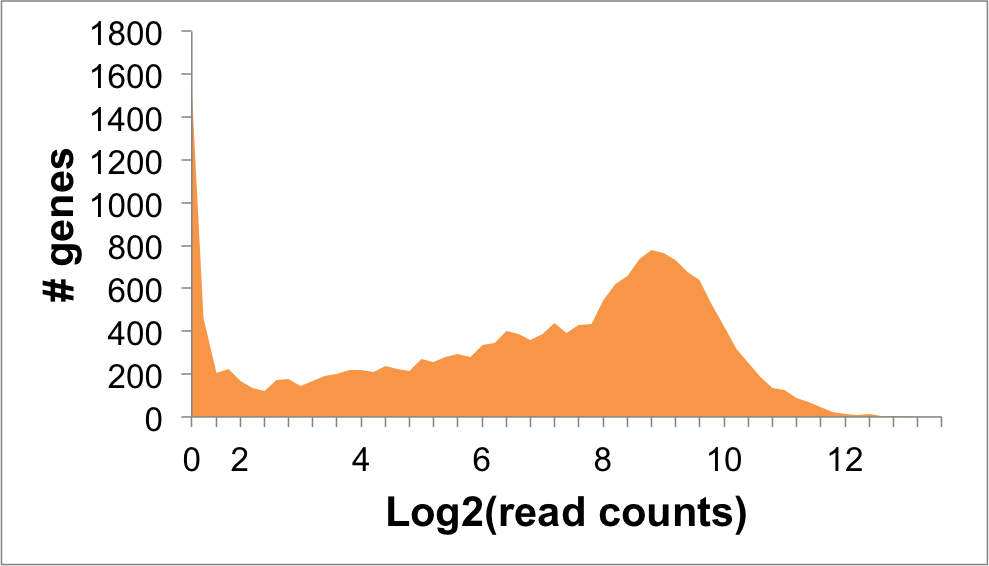
- Expression level (log2 read counts): 1.65
Expression Distribution
FCGR2B Expression in NALM6 Cells: 1.65