IL1B
Gene Information
- Official Symbol: IL1B
- Official Name: interleukin 1 beta
- Aliases and Previous Symbols: N/A
- Entrez ID: 3553
- UniProt: P01584
- Interactions: BioGRID
- PubMed articles: Open PubMed
- OMIM: Open OMIM
Function Summary
- Entrez Summary: The protein encoded by this gene is a member of the interleukin 1 cytokine family. This cytokine is produced by activated macrophages as a proprotein, which is proteolytically processed to its active form by caspase 1 (CASP1/ICE). This cytokine is an important mediator of the inflammatory response, and is involved in a variety of cellular activities, including cell proliferation, differentiation, and apoptosis. The induction of cyclooxygenase-2 (PTGS2/COX2) by this cytokine in the central nervous system (CNS) is found to contribute to inflammatory pain hypersensitivity. This gene and eight other interleukin 1 family genes form a cytokine gene cluster on chromosome 2. [provided by RefSeq, Jul 2008].
- UniProt Summary: Potent proinflammatory cytokine. Initially discovered as the major endogenous pyrogen, induces prostaglandin synthesis, neutrophil influx and activation, T-cell activation and cytokine production, B-cell activation and antibody production, and fibroblast proliferation and collagen production. Promotes Th17 differentiation of T-cells. {ECO:0000269|PubMed:3920526}.
Pfam Domains GO Terms
Pfam Domains
| IL1 propep |
| IL1 |
GO Terms
| regulation of myosin light chain kinase activity |
| positive regulation of myosin light chain kinase activity |
| positive regulation of calcidiol 1-monooxygenase activity |
| monocyte aggregation |
| positive regulation of vitamin D biosynthetic process |
| fever generation |
| positive regulation of cell adhesion molecule production |
| smooth muscle adaptation |
| negative regulation of adiponectin secretion |
| positive regulation of complement activation |
| positive regulation of vitamin metabolic process |
| sequestering of triglyceride |
| regulation of T-helper 1 cell cytokine production |
| positive regulation of T-helper 1 cell cytokine production |
| heat generation |
| regulation of cell adhesion molecule production |
| regulation of adiponectin secretion |
| positive regulation of prostaglandin biosynthetic process |
| hyaluronan biosynthetic process |
| positive regulation of fever generation |
| regulation of calcidiol 1-monooxygenase activity |
| ectopic germ cell programmed cell death |
| regulation of fever generation |
| positive regulation of histone phosphorylation |
| positive regulation of unsaturated fatty acid biosynthetic process |
| regulation of prostaglandin biosynthetic process |
| regulation of vitamin D biosynthetic process |
| programmed cell death involved in cell development |
| positive regulation of monocyte chemotactic protein-1 production |
| leukocyte aggregation |
| positive regulation of prostaglandin secretion |
| regulation of unsaturated fatty acid biosynthetic process |
| positive regulation of hormone biosynthetic process |
| regulation of prostaglandin secretion |
| positive regulation of heat generation |
| interleukin-6 production |
| positive regulation of chemokine biosynthetic process |
| positive regulation of granulocyte macrophage colony-stimulating factor production |
| regulation of vitamin metabolic process |
| regulation of histone phosphorylation |
| regulation of heat generation |
| positive regulation of interleukin-2 biosynthetic process |
| regulation of establishment of endothelial barrier |
| regulation of endothelial cell development |
| interleukin-1 receptor binding |
| positive regulation of neuroinflammatory response |
| positive regulation of hormone metabolic process |
| positive regulation of glial cell proliferation |
| interleukin-1 beta production |
| positive regulation of membrane protein ectodomain proteolysis |
| positive regulation of vascular endothelial growth factor receptor signaling pathway |
| regulation of granulocyte macrophage colony-stimulating factor production |
| positive regulation of interleukin-6 biosynthetic process |
| regulation of chemokine biosynthetic process |
| positive regulation of heterotypic cell-cell adhesion |
| regulation of monocyte chemotactic protein-1 production |
| positive regulation of icosanoid secretion |
| interleukin-1 production |
| positive regulation of humoral immune response |
| negative regulation of glucose transmembrane transport |
| positive regulation of steroid biosynthetic process |
| positive regulation of fatty acid transport |
| regulation of icosanoid secretion |
| astrocyte activation |
| regulation of interleukin-2 biosynthetic process |
| positive regulation of fatty acid biosynthetic process |
| positive regulation of T cell cytokine production |
| positive regulation of T-helper 1 type immune response |
| positive regulation of protein export from nucleus |
| negative regulation of lipid catabolic process |
| regulation of membrane protein ectodomain proteolysis |
| regulation of interleukin-6 biosynthetic process |
| positive regulation of lipid catabolic process |
| positive regulation of alcohol biosynthetic process |
| regulation of heterotypic cell-cell adhesion |
| positive regulation of steroid metabolic process |
| regulation of hormone biosynthetic process |
| positive regulation of p38MAPK cascade |
| regulation of T-helper 1 type immune response |
| regulation of fatty acid transport |
| positive regulation of monooxygenase activity |
| positive regulation of vascular endothelial growth factor production |
| lipid storage |
| positive regulation of acute inflammatory response |
| positive regulation of histone acetylation |
| temperature homeostasis |
| regulation of glial cell proliferation |
| positive regulation of interleukin-2 production |
| regulation of T cell cytokine production |
| response to ATP |
| extrinsic apoptotic signaling pathway in absence of ligand |
| regulation of neuroinflammatory response |
| hyaluronan metabolic process |
| signal transduction in absence of ligand |
| positive regulation of interleukin-6 secretion |
| regulation of vascular endothelial growth factor receptor signaling pathway |
| regulation of vascular endothelial growth factor production |
| muscle adaptation |
| positive regulation of peptidyl-lysine acetylation |
| regulation of endothelial cell differentiation |
| positive regulation of fatty acid metabolic process |
| negative regulation of insulin receptor signaling pathway |
| lipopolysaccharide-mediated signaling pathway |
| positive regulation of organic acid transport |
| negative regulation of signal transduction in absence of ligand |
| negative regulation of extrinsic apoptotic signaling pathway in absence of ligand |
| astrocyte development |
| negative regulation of cellular response to insulin stimulus |
| embryo implantation |
| regulation of defense response to virus by host |
| regulation of hormone metabolic process |
| protein kinase B signaling |
| glial cell activation |
| regulation of protein export from nucleus |
| positive regulation of nitric oxide biosynthetic process |
| positive regulation of nitric oxide metabolic process |
| acute-phase response |
| regulation of p38MAPK cascade |
| neuroinflammatory response |
| positive regulation of protein acetylation |
| regulation of endocrine process |
| regulation of acute inflammatory response |
| regulation of nitric-oxide synthase activity |
| regulation of fatty acid biosynthetic process |
| regulation of extrinsic apoptotic signaling pathway in absence of ligand |
| positive regulation of epithelial to mesenchymal transition |
| positive regulation of T cell mediated immunity |
| positive regulation of interleukin-8 production |
| leukocyte cell-cell adhesion |
| positive regulation of anion transport |
| positive regulation of reactive oxygen species biosynthetic process |
| positive regulation of mitotic nuclear division |
| astrocyte differentiation |
| positive regulation of oxidoreductase activity |
| regulation of interleukin-2 production |
| regulation of monooxygenase activity |
| positive regulation of cytokine production involved in immune response |
| regulation of lipid catabolic process |
| regulation of nitric oxide biosynthetic process |
| regulation of histone acetylation |
| positive regulation of chemokine production |
| regulation of organic acid transport |
| positive regulation of lipid transport |
| negative regulation of synaptic transmission |
| regulation of peptidyl-lysine acetylation |
| positive regulation of nucleocytoplasmic transport |
| negative regulation of hormone secretion |
| regulation of insulin receptor signaling pathway |
| positive regulation of interferon-gamma production |
| positive regulation of nuclear division |
| positive regulation of cytokine biosynthetic process |
| positive regulation of phagocytosis |
| positive regulation of gliogenesis |
| regulation of interleukin-8 production |
| regulation of T cell mediated immunity |
| acute inflammatory response |
| regulation of protein acetylation |
| regulation of cellular response to insulin stimulus |
| regulation of glucose transmembrane transport |
| regulation of defense response to virus |
| negative regulation of MAP kinase activity |
| regulation of alcohol biosynthetic process |
| positive regulation of NIK/NF-kappaB signaling |
| regulation of chemokine production |
| positive regulation of lipid biosynthetic process |
| cellular response to mechanical stimulus |
| positive regulation of lipid localization |
| neutrophil chemotaxis |
| negative regulation of lipid metabolic process |
| regulation of epithelial to mesenchymal transition |
| regulation of cytokine production involved in immune response |
| regulation of reactive oxygen species biosynthetic process |
| positive regulation of cell division |
| regulation of fatty acid metabolic process |
| secretory granule |
| regulation of steroid biosynthetic process |
| granulocyte chemotaxis |
| positive regulation of histone modification |
| neutrophil migration |
| positive regulation of interleukin-6 production |
| positive regulation of T cell proliferation |
| regulation of anion transport |
| positive regulation of reactive oxygen species metabolic process |
| regulation of phagocytosis |
| interleukin-1-mediated signaling pathway |
| regulation of oxidoreductase activity |
| extrinsic apoptotic signaling pathway |
| positive regulation of production of molecular mediator of immune response |
| regulation of interferon-gamma production |
| granulocyte migration |
| positive regulation of adaptive immune response based on somatic recombination of immune receptors built from immunoglobulin superfamily domains |
| negative regulation of extrinsic apoptotic signaling pathway |
| glycosaminoglycan biosynthetic process |
| positive regulation of chromatin organization |
| positive regulation of lymphocyte mediated immunity |
| positive regulation of adaptive immune response |
| regulation of cytokine biosynthetic process |
| regulation of nucleocytoplasmic transport |
| mucopolysaccharide metabolic process |
| glial cell development |
| regulation of lipid transport |
| aminoglycan biosynthetic process |
| regulation of NIK/NF-kappaB signaling |
| regulation of steroid metabolic process |
| regulation of gliogenesis |
| negative regulation of transmembrane transport |
| regulation of complement activation |
| myeloid leukocyte migration |
| positive regulation of lymphocyte proliferation |
| positive regulation of mononuclear cell proliferation |
| integrin binding |
| negative regulation of protein secretion |
| positive regulation of leukocyte mediated immunity |
| negative regulation of protein serine/threonine kinase activity |
| response to organophosphorus |
| regulation of humoral immune response |
| positive regulation of leukocyte proliferation |
| positive regulation of small molecule metabolic process |
| regulation of lipid localization |
| positive regulation of cytokine secretion |
| positive regulation of JNK cascade |
| negative regulation of peptide secretion |
| positive regulation of inflammatory response |
| regulation of interleukin-6 production |
| regulation of production of molecular mediator of immune response |
| regulation of epithelial cell differentiation |
| positive regulation of lipid metabolic process |
| regulation of adaptive immune response based on somatic recombination of immune receptors built from immunoglobulin superfamily domains |
| leukocyte chemotaxis |
| regulation of histone modification |
| cytokine production |
| regulation of lymphocyte mediated immunity |
| positive regulation of mitotic cell cycle |
| positive regulation of NF-kappaB transcription factor activity |
| response to purine-containing compound |
| positive regulation of intracellular protein transport |
| regulation of extrinsic apoptotic signaling pathway |
| activation of MAPK activity |
| glycosaminoglycan metabolic process |
| regulation of T cell proliferation |
| regulation of adaptive immune response |
| positive regulation of angiogenesis |
| maintenance of location |
| aminoglycan metabolic process |
| negative regulation of MAPK cascade |
| positive regulation of stress-activated MAPK cascade |
| regulation of cell division |
| positive regulation of stress-activated protein kinase signaling cascade |
| regulation of mitotic nuclear division |
| glial cell differentiation |
| response to carbohydrate |
| regulation of cellular ketone metabolic process |
| cytokine activity |
| positive regulation of chromosome organization |
| cellular response to interleukin-1 |
| regulation of insulin secretion |
| regulation of reactive oxygen species metabolic process |
| female pregnancy |
| negative regulation of protein transport |
| positive regulation of vasculature development |
| positive regulation of I-kappaB kinase/NF-kappaB signaling |
| cellular response to lipopolysaccharide |
| negative regulation of establishment of protein localization |
| regulation of JNK cascade |
| regulation of lipid biosynthetic process |
| regulation of chromatin organization |
| cellular response to molecule of bacterial origin |
| regulation of nuclear division |
| response to interleukin-1 |
| positive regulation of T cell activation |
| negative regulation of secretion by cell |
| regulation of cytokine secretion |
| regulation of leukocyte mediated immunity |
| positive regulation of intracellular transport |
| regulation of lymphocyte proliferation |
| regulation of mononuclear cell proliferation |
| cell chemotaxis |
| regulation of peptide hormone secretion |
| multi-multicellular organism process |
| response to mechanical stimulus |
| gliogenesis |
| cellular response to biotic stimulus |
| response to nutrient |
| positive regulation of protein catabolic process |
| positive regulation of leukocyte cell-cell adhesion |
| positive regulation of immune effector process |
| regulation of leukocyte proliferation |
| negative regulation of apoptotic signaling pathway |
| negative regulation of protein kinase activity |
| regulation of intracellular protein transport |
| negative regulation of secretion |
| regulation of stress-activated MAPK cascade |
| regulation of I-kappaB kinase/NF-kappaB signaling |
| regulation of stress-activated protein kinase signaling cascade |
| protein domain specific binding |
| negative regulation of kinase activity |
| lysosome |
| positive regulation of cell-cell adhesion |
| positive regulation of MAP kinase activity |
| positive regulation of DNA-binding transcription factor activity |
| regulation of hormone secretion |
| positive regulation of protein secretion |
| regulation of cellular response to growth factor stimulus |
| positive regulation of ion transport |
| negative regulation of transferase activity |
| apoptotic signaling pathway |
| positive regulation of cell cycle process |
| regulation of angiogenesis |
| positive regulation of peptide secretion |
| negative regulation of neurogenesis |
| regulation of ERK1 and ERK2 cascade |
| regulation of leukocyte cell-cell adhesion |
| muscle system process |
| carboxylic acid biosynthetic process |
| organic acid biosynthetic process |
| negative regulation of catabolic process |
| negative regulation of nervous system development |
| cellular response to abiotic stimulus |
| cellular response to environmental stimulus |
| response to lipopolysaccharide |
| regulation of T cell activation |
| lipid localization |
| regulation of vasculature development |
| multicellular organismal homeostasis |
| positive regulation of cellular protein localization |
| response to molecule of bacterial origin |
| activation of protein kinase activity |
| negative regulation of cell development |
| cellular response to external stimulus |
| regulation of inflammatory response |
| positive regulation of protein serine/threonine kinase activity |
| regulation of MAP kinase activity |
| regulation of chromosome organization |
| regulation of intracellular transport |
| regulation of neurotransmitter levels |
| positive regulation of proteolysis |
| positive regulation of lymphocyte activation |
| positive regulation of cellular catabolic process |
| MAPK cascade |
| positive regulation of cell cycle |
| leukocyte migration |
| regulation of protein catabolic process |
| signal transduction by protein phosphorylation |
| regulation of lipid metabolic process |
| regulation of apoptotic signaling pathway |
| regulation of cell-cell adhesion |
| positive regulation of secretion by cell |
| positive regulation of cell adhesion |
| positive regulation of leukocyte activation |
| cellular response to drug |
| negative regulation of protein phosphorylation |
| positive regulation of cell activation |
| positive regulation of protein transport |
| regulation of DNA-binding transcription factor activity |
| regulation of small molecule metabolic process |
| positive regulation of catabolic process |
| positive regulation of secretion |
| modulation of chemical synaptic transmission |
| regulation of trans-synaptic signaling |
| negative regulation of phosphorylation |
| positive regulation of cytokine production |
| positive regulation of establishment of protein localization |
| regulation of protein secretion |
| regulation of immune effector process |
| positive regulation of neurogenesis |
| positive regulation of defense response |
| negative regulation of transport |
| regulation of peptide secretion |
| response to nutrient levels |
| inflammatory response |
| positive regulation of cell migration |
| cell-cell adhesion |
| negative regulation of intracellular signal transduction |
| regulation of lymphocyte activation |
| regulation of protein serine/threonine kinase activity |
| cellular response to lipid |
| positive regulation of cell motility |
| regulation of response to biotic stimulus |
| response to extracellular stimulus |
| regulation of hormone levels |
| positive regulation of protein kinase activity |
| positive regulation of nervous system development |
| positive regulation of cellular component movement |
| regulation of cellular protein localization |
| cellular response to organic cyclic compound |
| positive regulation of cell development |
| positive regulation of MAPK cascade |
| chemotaxis |
| regulation of vesicle-mediated transport |
| positive regulation of locomotion |
| taxis |
| negative regulation of phosphate metabolic process |
| negative regulation of phosphorus metabolic process |
| regulation of transmembrane transport |
| positive regulation of kinase activity |
| regulation of system process |
| small molecule biosynthetic process |
| negative regulation of protein modification process |
| regulation of leukocyte activation |
| positive regulation of response to external stimulus |
| carbohydrate derivative biosynthetic process |
| positive regulation of organelle organization |
| regulation of mitotic cell cycle |
| regulation of cell activation |
| positive regulation of transferase activity |
| developmental process involved in reproduction |
| cytokine-mediated signaling pathway |
| negative regulation of cell population proliferation |
| regulation of cell adhesion |
| response to bacterium |
| regulation of cytokine production |
| regulation of ion transport |
| regulation of protein transport |
| negative regulation of cell differentiation |
| regulation of proteolysis |
| regulation of cellular response to stress |
| regulation of peptide transport |
| regulation of establishment of protein localization |
| regulation of secretion by cell |
| regulation of MAPK cascade |
| regulation of cell cycle process |
| regulation of defense response |
| regulation of multi-organism process |
| negative regulation of catalytic activity |
| regulation of protein kinase activity |
| regulation of secretion |
| regulation of neurogenesis |
| regulation of cellular catabolic process |
| regulation of cell migration |
| response to lipid |
| positive regulation of immune response |
| regulation of kinase activity |
| negative regulation of apoptotic process |
| negative regulation of programmed cell death |
| carboxylic acid metabolic process |
| regulation of cell motility |
| positive regulation of cell population proliferation |
| regulation of cellular localization |
| response to organic cyclic compound |
| apoptotic process |
| regulation of nervous system development |
| cell adhesion |
| regulation of cell development |
| biological adhesion |
| negative regulation of developmental process |
| cell migration |
| positive regulation of cell differentiation |
| protein phosphorylation |
| regulation of transferase activity |
| central nervous system development |
| regulation of locomotion |
| positive regulation of transport |
| regulation of catabolic process |
| negative regulation of cell death |
| multi-organism reproductive process |
| regulation of cellular component movement |
| response to organonitrogen compound |
| oxoacid metabolic process |
| cellular response to cytokine stimulus |
| positive regulation of protein phosphorylation |
| positive regulation of intracellular signal transduction |
| response to drug |
| organic acid metabolic process |
| regulation of protein localization |
| carbohydrate derivative metabolic process |
| negative regulation of cellular protein metabolic process |
| programmed cell death |
| cellular response to oxygen-containing compound |
| positive regulation of phosphorylation |
| regulation of anatomical structure morphogenesis |
| cell activation |
| cell motility |
| localization of cell |
| response to nitrogen compound |
| cell death |
| regulation of response to external stimulus |
| response to cytokine |
| negative regulation of protein metabolic process |
| cell-cell signaling |
| positive regulation of phosphorus metabolic process |
| positive regulation of phosphate metabolic process |
| negative regulation of molecular function |
| regulation of immune response |
| positive regulation of immune system process |
| response to abiotic stimulus |
| regulation of cell cycle |
| negative regulation of multicellular organismal process |
| positive regulation of cellular component organization |
| positive regulation of transcription by RNA polymerase II |
| positive regulation of protein modification process |
| negative regulation of signal transduction |
| phosphorylation |
| regulation of organelle organization |
| response to other organism |
| response to external biotic stimulus |
| locomotion |
| response to biotic stimulus |
| defense response |
| negative regulation of cell communication |
| negative regulation of signaling |
| positive regulation of developmental process |
| organonitrogen compound biosynthetic process |
| reproductive process |
| reproduction |
| positive regulation of catalytic activity |
| regulation of protein phosphorylation |
| regulation of response to stress |
| generation of neurons |
| positive regulation of transcription, DNA-templated |
| regulation of apoptotic process |
| movement of cell or subcellular component |
| response to oxygen-containing compound |
| regulation of programmed cell death |
| regulation of phosphorylation |
| extracellular space |
| positive regulation of cellular protein metabolic process |
| regulation of cell population proliferation |
| negative regulation of response to stimulus |
| neurogenesis |
| positive regulation of nucleic acid-templated transcription |
| positive regulation of RNA biosynthetic process |
| homeostatic process |
| cell development |
| regulation of immune system process |
| positive regulation of signal transduction |
| regulation of cell death |
| intracellular signal transduction |
| positive regulation of protein metabolic process |
| positive regulation of RNA metabolic process |
| positive regulation of multicellular organismal process |
| small molecule metabolic process |
| macromolecule biosynthetic process |
| positive regulation of molecular function |
| regulation of phosphate metabolic process |
| regulation of phosphorus metabolic process |
| regulation of cell differentiation |
| positive regulation of cell communication |
| positive regulation of signaling |
| regulation of intracellular signal transduction |
| regulation of protein modification process |
| regulation of transport |
| immune response |
| positive regulation of nucleobase-containing compound metabolic process |
| positive regulation of macromolecule biosynthetic process |
| extracellular region |
| system process |
| positive regulation of cellular biosynthetic process |
| positive regulation of gene expression |
| positive regulation of biosynthetic process |
CRISPR Data
Compound Hit Most Correlated Genes in Chemogenomics Tissues where Essential in the Avana Dataset (DepMap 20Q1)
Compound Hit
| Screen | Score |
|---|---|
| AICAR 240μM R05 exp211 | 1.82 |
| Demecolcine 0.03μM R05 exp228 | 2.11 |
Most Correlated Genes in Chemogenomics
| Gene | Correlation |
|---|---|
| VASN | 0.405 |
Tissues where Essential in the Avana Dataset (DepMap 20Q1)
Global Fraction of Cell Lines Where Essential: 0/726
| Tissue | Fraction Of Cell Lines Where Essential |
|---|---|
| 1290807.0 | 0/1 |
| 909776.0 | 0/1 |
| bile duct | 0/28 |
| blood | 0/28 |
| bone | 0/25 |
| breast | 0/33 |
| central nervous system | 0/56 |
| cervix | 0/4 |
| colorectal | 0/17 |
| esophagus | 0/13 |
| fibroblast | 0/1 |
| gastric | 0/15 |
| kidney | 0/21 |
| liver | 0/20 |
| lung | 0/75 |
| lymphocyte | 0/14 |
| ovary | 0/26 |
| pancreas | 0/24 |
| peripheral nervous system | 0/16 |
| plasma cell | 0/15 |
| prostate | 0/1 |
| skin | 0/24 |
| soft tissue | 0/7 |
| thyroid | 0/2 |
| upper aerodigestive | 0/22 |
| urinary tract | 0/29 |
| uterus | 0/5 |
Essentiality in NALM6
- Essentiality Rank: 14184
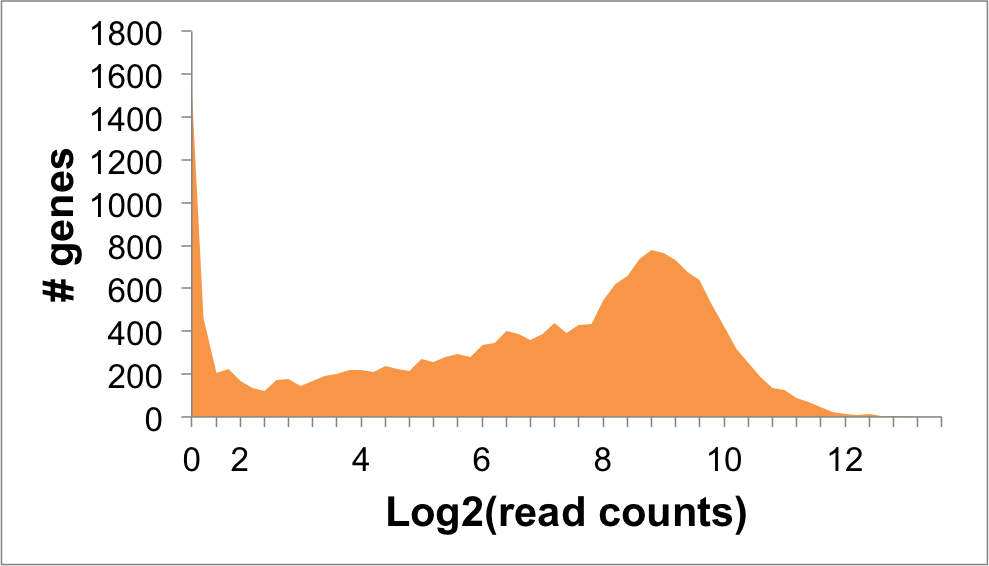
- Expression level (log2 read counts): -0.81
Expression Distribution
IL1B Expression in NALM6 Cells: -0.81