KAT2B
Gene Information
- Official Symbol: KAT2B
- Official Name: lysine acetyltransferase 2B
- Aliases and Previous Symbols: N/A
- Entrez ID: 8850
- UniProt: Q92831
- Interactions: BioGRID
- PubMed articles: Open PubMed
- OMIM: Open OMIM
Function Summary
- Entrez Summary: N/A
- UniProt Summary: N/A
Pfam Domains GO Terms
Pfam Domains
| Acetyltransf 1 |
| Bromodomain |
| PCAF N |
GO Terms
| histone H3-K9 acetylation |
| N-terminal peptidyl-lysine acetylation |
| diamine N-acetyltransferase activity |
| positive regulation of gluconeogenesis by positive regulation of transcription from RNA polymerase II promoter |
| PCAF complex |
| peptide-lysine-N-acetyltransferase activity |
| lysine N-acetyltransferase activity, acting on acetyl phosphate as donor |
| regulation of gluconeogenesis by regulation of transcription from RNA polymerase II promoter |
| negative regulation of centriole replication |
| regulation of protein ADP-ribosylation |
| cyclin-dependent protein serine/threonine kinase inhibitor activity |
| negative regulation of centrosome duplication |
| regulation of carbohydrate metabolic process by regulation of transcription from RNA polymerase II promoter |
| A band |
| positive regulation of gluconeogenesis |
| actomyosin |
| negative regulation of centrosome cycle |
| N-terminal protein amino acid acetylation |
| Ada2/Gcn5/Ada3 transcription activator complex |
| positive regulation of transcription of Notch receptor target |
| acetyltransferase activity |
| histone H3-K9 modification |
| I band |
| regulation of centriole replication |
| N-terminal protein amino acid modification |
| negative regulation of cyclin-dependent protein serine/threonine kinase activity |
| negative regulation of cyclin-dependent protein kinase activity |
| positive regulation of glucose metabolic process |
| negative regulation of organelle assembly |
| regulation of centrosome duplication |
| regulation of gluconeogenesis |
| histone H3 acetylation |
| histone acetyltransferase activity |
| positive regulation of Notch signaling pathway |
| regulation of megakaryocyte differentiation |
| positive regulation of cellular carbohydrate metabolic process |
| regulation of centrosome cycle |
| positive regulation of gene expression, epigenetic |
| positive regulation of carbohydrate metabolic process |
| transcription coregulator activity |
| kinetochore |
| regulation of carbohydrate biosynthetic process |
| regulation of cyclin-dependent protein serine/threonine kinase activity |
| regulation of cyclin-dependent protein kinase activity |
| regulation of Notch signaling pathway |
| histone deacetylase binding |
| histone acetylation |
| regulation of glucose metabolic process |
| internal peptidyl-lysine acetylation |
| peptidyl-lysine acetylation |
| internal protein amino acid acetylation |
| Notch signaling pathway |
| negative regulation of protein serine/threonine kinase activity |
| positive regulation of small molecule metabolic process |
| regulation of cellular carbohydrate metabolic process |
| negative regulation of cytoskeleton organization |
| protein acetylation |
| cell cycle arrest |
| chromatin remodeling |
| cellular response to insulin stimulus |
| transcription initiation from RNA polymerase II promoter |
| appendage development |
| limb development |
| protein acylation |
| regulation of microtubule cytoskeleton organization |
| regulation of carbohydrate metabolic process |
| DNA-templated transcription, initiation |
| regulation of organelle assembly |
| regulation of microtubule-based process |
| negative regulation of protein kinase activity |
| regulation of myeloid cell differentiation |
| protein maturation |
| response to insulin |
| regulation of gene expression, epigenetic |
| negative regulation of kinase activity |
| cellular response to peptide hormone stimulus |
| rhythmic process |
| negative regulation of transferase activity |
| protein deubiquitination |
| transcription coactivator activity |
| protein modification by small protein removal |
| peptidyl-lysine modification |
| RNA polymerase II regulatory region sequence-specific DNA binding |
| negative regulation of cell cycle process |
| cellular response to peptide |
| transcription factor binding |
| histone modification |
| negative regulation of organelle organization |
| covalent chromatin modification |
| response to peptide hormone |
| chromatin binding |
| negative regulation of protein phosphorylation |
| regulation of small molecule metabolic process |
| negative regulation of phosphorylation |
| regulation of hemopoiesis |
| protein kinase binding |
| response to peptide |
| transcription by RNA polymerase II |
| centrosome |
| regulation of protein serine/threonine kinase activity |
| heart development |
| regulation of cytoskeleton organization |
| negative regulation of phosphate metabolic process |
| negative regulation of phosphorus metabolic process |
| negative regulation of cell cycle |
| negative regulation of protein modification process |
| protein-containing complex |
| cellular response to organonitrogen compound |
| cellular response to hormone stimulus |
| transcription, DNA-templated |
| nucleic acid-templated transcription |
| RNA biosynthetic process |
| cellular response to nitrogen compound |
| negative regulation of cell population proliferation |
| chromatin organization |
| viral process |
| negative regulation of cellular component organization |
| regulation of cell cycle process |
| symbiotic process |
| negative regulation of catalytic activity |
| regulation of protein kinase activity |
| interspecies interaction between organisms |
| circulatory system development |
| regulation of kinase activity |
| peptidyl-amino acid modification |
| response to hormone |
| regulation of cellular component biogenesis |
| regulation of transferase activity |
| protein modification by small protein conjugation or removal |
| cell cycle process |
| response to organonitrogen compound |
| negative regulation of cellular protein metabolic process |
| cellular response to oxygen-containing compound |
| chromosome organization |
| response to nitrogen compound |
| nucleobase-containing compound biosynthetic process |
| negative regulation of protein metabolic process |
| negative regulation of molecular function |
| heterocycle biosynthetic process |
| aromatic compound biosynthetic process |
| regulation of cell cycle |
| positive regulation of transcription by RNA polymerase II |
| cellular response to endogenous stimulus |
| proteolysis |
| regulation of organelle organization |
| organic cyclic compound biosynthetic process |
| cell cycle |
| regulation of protein phosphorylation |
| response to endogenous stimulus |
| positive regulation of transcription, DNA-templated |
| response to oxygen-containing compound |
| regulation of phosphorylation |
| regulation of cell population proliferation |
| cellular nitrogen compound biosynthetic process |
| positive regulation of nucleic acid-templated transcription |
| positive regulation of RNA biosynthetic process |
| regulation of immune system process |
| positive regulation of signal transduction |
| RNA metabolic process |
| cellular macromolecule biosynthetic process |
| positive regulation of RNA metabolic process |
| macromolecule biosynthetic process |
| regulation of phosphate metabolic process |
| regulation of phosphorus metabolic process |
| regulation of cell differentiation |
| positive regulation of cell communication |
| positive regulation of signaling |
| regulation of protein modification process |
| positive regulation of nucleobase-containing compound metabolic process |
| positive regulation of macromolecule biosynthetic process |
| positive regulation of cellular biosynthetic process |
| positive regulation of gene expression |
| gene expression |
| positive regulation of biosynthetic process |
CRISPR Data
Compound Hit Most Correlated Genes in Chemogenomics Tissues where Essential in the Avana Dataset (DepMap 20Q1)
Compound Hit
No hits were found.
Most Correlated Genes in Chemogenomics
No correlation found to any other genes in chemogenomics.
Tissues where Essential in the Avana Dataset (DepMap 20Q1)
Global Fraction of Cell Lines Where Essential: 0/726
| Tissue | Fraction Of Cell Lines Where Essential |
|---|---|
| 1290807.0 | 0/1 |
| 909776.0 | 0/1 |
| bile duct | 0/28 |
| blood | 0/28 |
| bone | 0/25 |
| breast | 0/33 |
| central nervous system | 0/56 |
| cervix | 0/4 |
| colorectal | 0/17 |
| esophagus | 0/13 |
| fibroblast | 0/1 |
| gastric | 0/15 |
| kidney | 0/21 |
| liver | 0/20 |
| lung | 0/75 |
| lymphocyte | 0/14 |
| ovary | 0/26 |
| pancreas | 0/24 |
| peripheral nervous system | 0/16 |
| plasma cell | 0/15 |
| prostate | 0/1 |
| skin | 0/24 |
| soft tissue | 0/7 |
| thyroid | 0/2 |
| upper aerodigestive | 0/22 |
| urinary tract | 0/29 |
| uterus | 0/5 |
Essentiality in NALM6
- Essentiality Rank: 14314
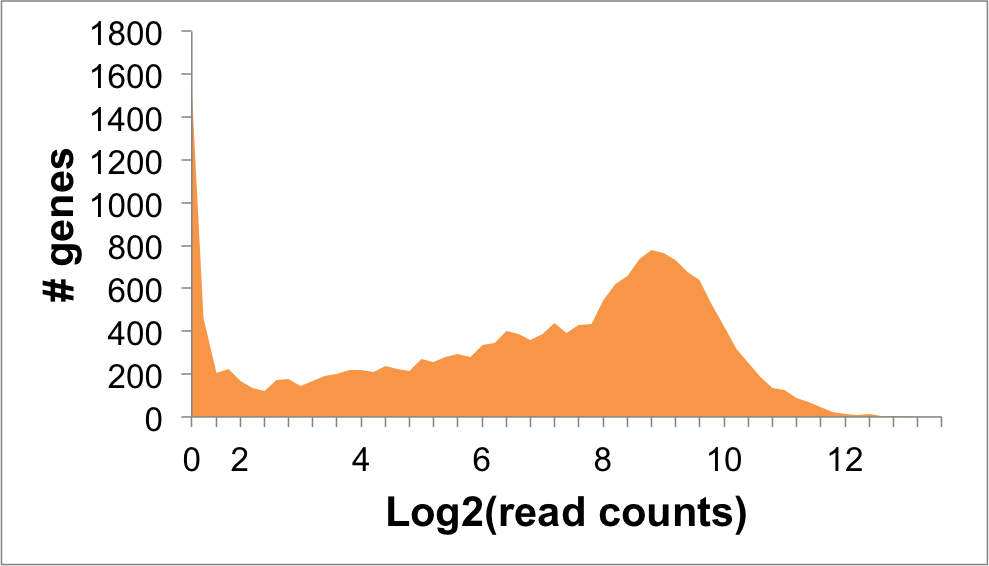
- Expression level (log2 read counts): 4.2
Expression Distribution
KAT2B Expression in NALM6 Cells: 4.2