PRNP
Gene Information
- Official Symbol: PRNP
- Official Name: prion protein
- Aliases and Previous Symbols: N/A
- Entrez ID: 5621
- UniProt: P04156"|"F7VJQ1|P04156"
- Interactions: BioGRID
- PubMed articles: Open PubMed
- OMIM: Open OMIM
Function Summary
- Entrez Summary: The protein encoded by this gene is a membrane glycosylphosphatidylinositol-anchored glycoprotein that tends to aggregate into rod-like structures. The encoded protein contains a highly unstable region of five tandem octapeptide repeats. This gene is found on chromosome 20, approximately 20 kbp upstream of a gene which encodes a biochemically and structurally similar protein to the one encoded by this gene. Mutations in the repeat region as well as elsewhere in this gene have been associated with Creutzfeldt-Jakob disease, fatal familial insomnia, Gerstmann-Straussler disease, Huntington disease-like 1, and kuru. An overlapping open reading frame has been found for this gene that encodes a smaller, structurally unrelated protein, AltPrp. Alternative splicing results in multiple transcript variants. [provided by RefSeq, Nov 2014].
- UniProt Summary: N/A
Pfam Domains GO Terms
Pfam Domains
| Prion |
| Prion bPrPp |
GO Terms
| type 8 metabotropic glutamate receptor binding |
| regulation of intracellular calcium activated chloride channel activity |
| negative regulation of dendritic spine maintenance |
| regulation of calcium ion import across plasma membrane |
| cupric ion binding |
| type 5 metabotropic glutamate receptor binding |
| cuprous ion binding |
| regulation of inorganic anion transmembrane transport |
| ATP-dependent protein binding |
| modulation of age-related behavioral decline |
| neuron projection maintenance |
| dendritic spine maintenance |
| regulation of chloride transport |
| regulation of anion channel activity |
| negative regulation of activated T cell proliferation |
| regulation of dendritic spine maintenance |
| negative regulation of long-term synaptic potentiation |
| negative regulation of amyloid-beta formation |
| negative regulation of interleukin-17 production |
| negative regulation of calcineurin-mediated signaling |
| negative regulation of calcineurin-NFAT signaling cascade |
| cellular copper ion homeostasis |
| negative regulation of amyloid precursor protein catabolic process |
| lamin binding |
| copper ion homeostasis |
| inclusion body |
| anchored component of external side of plasma membrane |
| negative regulation of T cell receptor signaling pathway |
| negative regulation of interleukin-2 production |
| calcium-mediated signaling using intracellular calcium source |
| negative regulation of synapse organization |
| glycosaminoglycan binding |
| regulation of amyloid-beta formation |
| negative regulation of antigen receptor-mediated signaling pathway |
| regulation of anion transmembrane transport |
| regulation of interleukin-17 production |
| negative regulation of calcium-mediated signaling |
| cellular response to copper ion |
| dendritic spine organization |
| positive regulation of protein targeting to membrane |
| long-term memory |
| negative regulation of interferon-gamma production |
| negative regulation of protein processing |
| negative regulation of protein maturation |
| regulation of amyloid precursor protein catabolic process |
| regulation of calcineurin-NFAT signaling cascade |
| regulation of calcineurin-mediated signaling |
| regulation of activated T cell proliferation |
| regulation of protein targeting to membrane |
| regulation of calcium ion import |
| cellular response to amyloid-beta |
| regulation of T cell receptor signaling pathway |
| neuron projection organization |
| regulation of long-term synaptic potentiation |
| response to copper ion |
| protein destabilization |
| cellular component maintenance |
| response to amyloid-beta |
| regulation of interleukin-2 production |
| tubulin binding |
| positive regulation of neuron apoptotic process |
| positive regulation of protein tyrosine kinase activity |
| positive regulation of protein localization to plasma membrane |
| copper ion binding |
| negative regulation of T cell proliferation |
| positive regulation of protein localization to cell periphery |
| regulation of antigen receptor-mediated signaling pathway |
| regulation of glutamate receptor signaling pathway |
| response to cadmium ion |
| extrinsic component of membrane |
| regulation of protein processing |
| regulation of protein maturation |
| negative regulation of mononuclear cell proliferation |
| negative regulation of lymphocyte proliferation |
| negative regulation of leukocyte proliferation |
| regulation of potassium ion transmembrane transport |
| amyloid-beta binding |
| regulation of protein targeting |
| postsynapse |
| postsynapse organization |
| regulation of protein tyrosine kinase activity |
| positive regulation of neuron death |
| regulation of protein localization to plasma membrane |
| regulation of anion transport |
| regulation of potassium ion transport |
| regulation of postsynapse organization |
| regulation of calcium-mediated signaling |
| regulation of calcium ion transport into cytosol |
| regulation of interferon-gamma production |
| protease binding |
| chaperone binding |
| cellular transition metal ion homeostasis |
| negative regulation of T cell activation |
| regulation of protein localization to cell periphery |
| memory |
| negative regulation of leukocyte cell-cell adhesion |
| positive regulation of protein localization to membrane |
| ion channel binding |
| transition metal ion homeostasis |
| negative regulation of lymphocyte activation |
| cell cycle arrest |
| calcium-mediated signaling |
| negative regulation of cellular amide metabolic process |
| regulation of calcium ion transmembrane transport |
| positive regulation of intracellular protein transport |
| regulation of T cell proliferation |
| negative regulation of DNA-binding transcription factor activity |
| negative regulation of cell-cell adhesion |
| negative regulation of leukocyte activation |
| negative regulation of cell projection organization |
| regulation of synaptic plasticity |
| regulation of protein localization to membrane |
| positive regulation of peptidyl-tyrosine phosphorylation |
| cellular response to metal ion |
| negative regulation of cell activation |
| signaling receptor activity |
| regulation of neuron apoptotic process |
| positive regulation of intracellular transport |
| regulation of lymphocyte proliferation |
| regulation of mononuclear cell proliferation |
| regulation of synapse organization |
| cellular response to inorganic substance |
| regulation of leukocyte proliferation |
| membrane raft |
| regulation of synapse structure or activity |
| regulation of intracellular protein transport |
| nuclear membrane |
| microtubule binding |
| regulation of calcium ion transport |
| regulation of peptidyl-tyrosine phosphorylation |
| postsynaptic density |
| regulation of ion transmembrane transporter activity |
| learning or memory |
| regulation of transmembrane transporter activity |
| protein-containing complex binding |
| synapse organization |
| negative regulation of cell adhesion |
| negative regulation of cytokine production |
| regulation of transporter activity |
| aging |
| regulation of protein stability |
| regulation of leukocyte cell-cell adhesion |
| cognition |
| regulation of neuron death |
| regulation of T cell activation |
| positive regulation of cellular protein localization |
| cellular response to peptide |
| activation of protein kinase activity |
| regulation of cation transmembrane transport |
| second-messenger-mediated signaling |
| protein homooligomerization |
| regulation of intracellular transport |
| negative regulation of proteolysis |
| response to metal ion |
| response to oxidative stress |
| regulation of metal ion transport |
| regulation of cell-cell adhesion |
| regulation of cellular amide metabolic process |
| cellular response to drug |
| negative regulation of protein phosphorylation |
| dendrite |
| positive regulation of protein transport |
| regulation of DNA-binding transcription factor activity |
| negative regulation of immune system process |
| modulation of chemical synaptic transmission |
| regulation of trans-synaptic signaling |
| negative regulation of phosphorylation |
| positive regulation of establishment of protein localization |
| response to peptide |
| regulation of ion transmembrane transport |
| negative regulation of intracellular signal transduction |
| regulation of lymphocyte activation |
| protein complex oligomerization |
| positive regulation of protein kinase activity |
| response to inorganic substance |
| regulation of cellular protein localization |
| cellular metal ion homeostasis |
| negative regulation of phosphate metabolic process |
| negative regulation of phosphorus metabolic process |
| regulation of transmembrane transport |
| behavior |
| negative regulation of cell cycle |
| positive regulation of kinase activity |
| negative regulation of protein modification process |
| cellular response to organonitrogen compound |
| regulation of leukocyte activation |
| cell surface |
| metal ion homeostasis |
| cellular cation homeostasis |
| regulation of cell activation |
| positive regulation of apoptotic process |
| cellular ion homeostasis |
| positive regulation of programmed cell death |
| positive regulation of transferase activity |
| cellular response to nitrogen compound |
| negative regulation of cell population proliferation |
| regulation of cell adhesion |
| intracellular membrane-bounded organelle |
| regulation of plasma membrane bounded cell projection organization |
| regulation of cytokine production |
| positive regulation of cell death |
| regulation of ion transport |
| negative regulation of cellular component organization |
| cation homeostasis |
| regulation of protein transport |
| regulation of cell projection organization |
| inorganic ion homeostasis |
| regulation of proteolysis |
| regulation of peptide transport |
| cellular chemical homeostasis |
| regulation of establishment of protein localization |
| ion homeostasis |
| negative regulation of catalytic activity |
| regulation of protein kinase activity |
| regulation of kinase activity |
| negative regulation of apoptotic process |
| cellular homeostasis |
| negative regulation of programmed cell death |
| regulation of cellular localization |
| regulation of transferase activity |
| Golgi apparatus |
| positive regulation of transport |
| negative regulation of cell death |
| cell cycle process |
| response to organonitrogen compound |
| endoplasmic reticulum |
| positive regulation of protein phosphorylation |
| response to drug |
| regulation of protein localization |
| negative regulation of cellular protein metabolic process |
| cellular response to oxygen-containing compound |
| positive regulation of phosphorylation |
| identical protein binding |
| response to nitrogen compound |
| negative regulation of protein metabolic process |
| chemical homeostasis |
| plasma membrane bounded cell projection organization |
| positive regulation of phosphorus metabolic process |
| positive regulation of phosphate metabolic process |
| negative regulation of molecular function |
| regulation of immune response |
| cell projection organization |
| regulation of cell cycle |
| negative regulation of multicellular organismal process |
| cellular response to endogenous stimulus |
| positive regulation of protein modification process |
| negative regulation of signal transduction |
| cell cycle |
| negative regulation of cell communication |
| negative regulation of signaling |
| nervous system process |
| positive regulation of catalytic activity |
| regulation of protein phosphorylation |
| response to endogenous stimulus |
| regulation of apoptotic process |
| response to oxygen-containing compound |
| protein-containing complex assembly |
| regulation of programmed cell death |
| regulation of phosphorylation |
| positive regulation of cellular protein metabolic process |
| regulation of cell population proliferation |
| negative regulation of response to stimulus |
| homeostatic process |
| regulation of immune system process |
| regulation of cell death |
| intracellular signal transduction |
| positive regulation of protein metabolic process |
| negative regulation of gene expression |
| positive regulation of molecular function |
| regulation of phosphate metabolic process |
| regulation of phosphorus metabolic process |
| regulation of intracellular signal transduction |
| regulation of protein modification process |
| protein-containing complex subunit organization |
| regulation of transport |
| system process |
CRISPR Data
Compound Hit Most Correlated Genes in Chemogenomics Tissues where Essential in the Avana Dataset (DepMap 20Q1)
Compound Hit
| Screen | Score |
|---|---|
| Arsenate 40μM R06 exp264 | -2.1 |
| SB743921 0.001μM R05 exp244 | -1.94 |
| SB202190 10μM R03 exp148 | -1.93 |
| Ibrutinib 1μM R07 exp372 | 1.74 |
Most Correlated Genes in Chemogenomics
No correlation found to any other genes in chemogenomics.
Tissues where Essential in the Avana Dataset (DepMap 20Q1)
Global Fraction of Cell Lines Where Essential: 0/739
| Tissue | Fraction Of Cell Lines Where Essential |
|---|---|
| 1290807.0 | 0/1 |
| 909776.0 | 0/1 |
| bile duct | 0/28 |
| blood | 0/28 |
| bone | 0/26 |
| breast | 0/33 |
| central nervous system | 0/56 |
| cervix | 0/4 |
| colorectal | 0/17 |
| esophagus | 0/13 |
| fibroblast | 0/1 |
| gastric | 0/16 |
| kidney | 0/21 |
| liver | 0/20 |
| lung | 0/75 |
| lymphocyte | 0/16 |
| ovary | 0/26 |
| pancreas | 0/24 |
| peripheral nervous system | 0/16 |
| plasma cell | 0/15 |
| prostate | 0/1 |
| skin | 0/24 |
| soft tissue | 0/9 |
| thyroid | 0/2 |
| upper aerodigestive | 0/22 |
| urinary tract | 0/29 |
| uterus | 0/5 |
Essentiality in NALM6
- Essentiality Rank: 6713
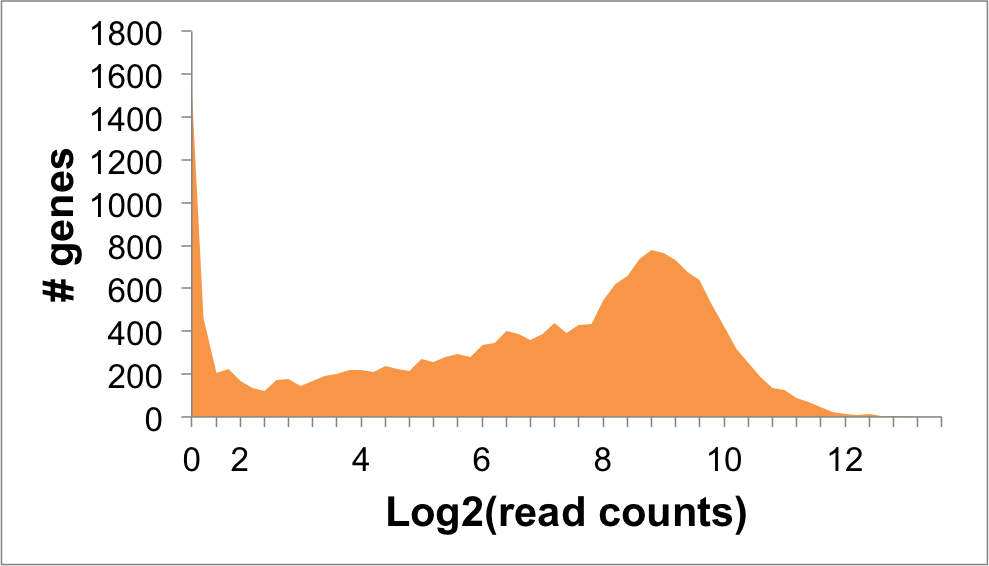
- Expression level (log2 read counts): 6.01
Expression Distribution
PRNP Expression in NALM6 Cells: 6.01