SMAD7
Gene Information
- Official Symbol: SMAD7
- Official Name: SMAD family member 7
- Aliases and Previous Symbols: N/A
- Entrez ID: 4092
- UniProt: O15105
- Interactions: BioGRID
- PubMed articles: Open PubMed
- OMIM: Open OMIM
Function Summary
- Entrez Summary: The protein encoded by this gene is a nuclear protein that binds the E3 ubiquitin ligase SMURF2. Upon binding, this complex translocates to the cytoplasm, where it interacts with TGF-beta receptor type-1 (TGFBR1), leading to the degradation of both the encoded protein and TGFBR1. Expression of this gene is induced by TGFBR1. Variations in this gene are a cause of susceptibility to colorectal cancer type 3 (CRCS3). Several transcript variants encoding different isoforms have been found for this gene. [provided by RefSeq, Jun 2010].
- UniProt Summary: Antagonist of signaling by TGF-beta (transforming growth factor) type 1 receptor superfamily members; has been shown to inhibit TGF-beta (Transforming growth factor) and activin signaling by associating with their receptors thus preventing SMAD2 access. Functions as an adapter to recruit SMURF2 to the TGF-beta receptor complex. Also acts by recruiting the PPP1R15A- PP1 complex to TGFBR1, which promotes its dephosphorylation. Positively regulates PDPK1 kinase activity by stimulating its dissociation from the 14-3-3 protein YWHAQ which acts as a negative regulator. {ECO:0000269|PubMed:11163210, ECO:0000269|PubMed:12023024, ECO:0000269|PubMed:14718519, ECO:0000269|PubMed:17327236, ECO:0000269|PubMed:9892009}.
Pfam Domains GO Terms
Pfam Domains
| MH2 |
| MH1 |
GO Terms
| transforming growth factor beta receptor, inhibitory cytoplasmic mediator activity |
| regulation of ventricular cardiac muscle cell membrane depolarization |
| negative regulation of T cell cytokine production |
| negative regulation of T-helper 17 cell differentiation |
| negative regulation of transcription by competitive promoter binding |
| negative regulation of T-helper 17 type immune response |
| type I transforming growth factor beta receptor binding |
| I-SMAD binding |
| negative regulation of pathway-restricted SMAD protein phosphorylation |
| pathway-restricted SMAD protein phosphorylation |
| activin binding |
| response to laminar fluid shear stress |
| negative regulation of ubiquitin-protein transferase activity |
| negative regulation of T-helper cell differentiation |
| regulation of T-helper 17 cell differentiation |
| negative regulation of peptidyl-threonine phosphorylation |
| negative regulation of T cell mediated immunity |
| regulation of T-helper 17 type immune response |
| negative regulation of CD4-positive, alpha-beta T cell differentiation |
| negative regulation of alpha-beta T cell differentiation |
| cellular protein-containing complex localization |
| negative regulation of cytokine production involved in immune response |
| regulation of activin receptor signaling pathway |
| negative regulation of peptidyl-serine phosphorylation |
| negative regulation of epithelial to mesenchymal transition |
| catenin complex |
| negative regulation of CD4-positive, alpha-beta T cell activation |
| regulation of T cell cytokine production |
| response to fluid shear stress |
| regulation of T-helper cell differentiation |
| negative regulation of production of molecular mediator of immune response |
| adherens junction assembly |
| negative regulation of lymphocyte mediated immunity |
| negative regulation of alpha-beta T cell activation |
| negative regulation of adaptive immune response based on somatic recombination of immune receptors built from immunoglobulin superfamily domains |
| ventricular septum morphogenesis |
| negative regulation of T cell differentiation |
| regulation of peptidyl-threonine phosphorylation |
| regulation of membrane depolarization |
| negative regulation of adaptive immune response |
| regulation of CD4-positive, alpha-beta T cell differentiation |
| ventricular cardiac muscle tissue morphogenesis |
| negative regulation of BMP signaling pathway |
| negative regulation of leukocyte mediated immunity |
| regulation of ubiquitin-protein transferase activity |
| negative regulation of lymphocyte differentiation |
| ventricular cardiac muscle tissue development |
| regulation of CD4-positive, alpha-beta T cell activation |
| regulation of pathway-restricted SMAD protein phosphorylation |
| artery morphogenesis |
| regulation of alpha-beta T cell differentiation |
| collagen binding |
| cardiac muscle tissue morphogenesis |
| regulation of T cell mediated immunity |
| ventricular septum development |
| negative regulation of transforming growth factor beta receptor signaling pathway |
| negative regulation of protein ubiquitination |
| cardiac septum morphogenesis |
| cardiac ventricle morphogenesis |
| negative regulation of cellular response to transforming growth factor beta stimulus |
| regulation of cardiac muscle contraction |
| muscle tissue morphogenesis |
| positive regulation of proteasomal ubiquitin-dependent protein catabolic process |
| beta-catenin binding |
| regulation of epithelial to mesenchymal transition |
| negative regulation of protein modification by small protein conjugation or removal |
| adherens junction organization |
| regulation of cytokine production involved in immune response |
| artery development |
| ureteric bud development |
| mesonephric epithelium development |
| muscle organ morphogenesis |
| mesonephric tubule development |
| regulation of BMP signaling pathway |
| BMP signaling pathway |
| regulation of striated muscle contraction |
| mesonephros development |
| regulation of alpha-beta T cell activation |
| response to leukemia inhibitory factor |
| cellular response to leukemia inhibitory factor |
| positive regulation of ubiquitin-dependent protein catabolic process |
| negative regulation of leukocyte differentiation |
| transforming growth factor beta receptor signaling pathway |
| positive regulation of proteasomal protein catabolic process |
| response to BMP |
| cellular response to BMP stimulus |
| cell-cell adherens junction |
| cardiac septum development |
| negative regulation of T cell activation |
| regulation of transforming growth factor beta receptor signaling pathway |
| regulation of cellular response to transforming growth factor beta stimulus |
| positive regulation of protein ubiquitination |
| negative regulation of transmembrane receptor protein serine/threonine kinase signaling pathway |
| negative regulation of immune effector process |
| positive regulation of proteolysis involved in cellular protein catabolic process |
| negative regulation of leukocyte cell-cell adhesion |
| regulation of proteasomal ubiquitin-dependent protein catabolic process |
| cardiac chamber morphogenesis |
| cardiac ventricle development |
| kidney epithelium development |
| fibrillar center |
| positive regulation of protein modification by small protein conjugation or removal |
| negative regulation of hemopoiesis |
| regulation of peptidyl-serine phosphorylation |
| regulation of T cell differentiation |
| regulation of production of molecular mediator of immune response |
| positive regulation of cellular protein catabolic process |
| negative regulation of lymphocyte activation |
| regulation of adaptive immune response based on somatic recombination of immune receptors built from immunoglobulin superfamily domains |
| negative regulation of cellular response to growth factor stimulus |
| negative regulation of immune response |
| regulation of lymphocyte mediated immunity |
| regulation of ubiquitin-dependent protein catabolic process |
| cellular response to transforming growth factor beta stimulus |
| regulation of adaptive immune response |
| regulation of muscle contraction |
| negative regulation of DNA-binding transcription factor activity |
| response to transforming growth factor beta |
| cardiac muscle tissue development |
| cell junction assembly |
| regulation of lymphocyte differentiation |
| cardiac chamber development |
| negative regulation of cell-cell adhesion |
| negative regulation of leukocyte activation |
| protein stabilization |
| regulation of proteasomal protein catabolic process |
| negative regulation of cell activation |
| transmembrane receptor protein serine/threonine kinase signaling pathway |
| regulation of protein ubiquitination |
| transcription factor complex |
| regulation of leukocyte mediated immunity |
| cell junction organization |
| regulation of proteolysis involved in cellular protein catabolic process |
| positive regulation of protein catabolic process |
| transcription regulatory region DNA binding |
| regulation of protein modification by small protein conjugation or removal |
| regulation of transmembrane receptor protein serine/threonine kinase signaling pathway |
| regulation of muscle system process |
| regulation of heart contraction |
| regulation of cellular protein catabolic process |
| heart morphogenesis |
| positive regulation of cell-cell adhesion |
| protein-containing complex localization |
| negative regulation of cell migration |
| kidney development |
| regulation of cellular response to growth factor stimulus |
| negative regulation of cell adhesion |
| regulation of leukocyte differentiation |
| negative regulation of cell motility |
| negative regulation of cytokine production |
| negative regulation of transferase activity |
| protein deubiquitination |
| striated muscle tissue development |
| renal system development |
| regulation of protein stability |
| regulation of blood circulation |
| ubiquitin protein ligase binding |
| muscle organ development |
| regulation of leukocyte cell-cell adhesion |
| muscle tissue development |
| protein modification by small protein removal |
| negative regulation of cellular component movement |
| regulation of T cell activation |
| urogenital system development |
| negative regulation of locomotion |
| positive regulation of proteolysis |
| positive regulation of cellular catabolic process |
| regulation of protein catabolic process |
| regulation of cell-cell adhesion |
| positive regulation of cell adhesion |
| negative regulation of protein phosphorylation |
| blood vessel morphogenesis |
| regulation of DNA-binding transcription factor activity |
| regulation of membrane potential |
| positive regulation of catabolic process |
| negative regulation of immune system process |
| negative regulation of phosphorylation |
| regulation of hemopoiesis |
| regulation of immune effector process |
| muscle structure development |
| blood vessel development |
| centrosome |
| cellular response to growth factor stimulus |
| vasculature development |
| regulation of lymphocyte activation |
| cardiovascular system development |
| heart development |
| response to growth factor |
| negative regulation of phosphate metabolic process |
| negative regulation of phosphorus metabolic process |
| tissue morphogenesis |
| regulation of system process |
| negative regulation of protein modification process |
| protein-containing complex |
| regulation of leukocyte activation |
| regulation of cell activation |
| tube morphogenesis |
| regulation of cell adhesion |
| regulation of cytokine production |
| negative regulation of cell differentiation |
| enzyme linked receptor protein signaling pathway |
| regulation of proteolysis |
| ion homeostasis |
| negative regulation of catalytic activity |
| regulation of cellular catabolic process |
| tube development |
| regulation of cell migration |
| negative regulation of transcription by RNA polymerase II |
| circulatory system development |
| regulation of cell motility |
| negative regulation of developmental process |
| animal organ morphogenesis |
| protein phosphorylation |
| regulation of transferase activity |
| regulation of locomotion |
| protein modification by small protein conjugation or removal |
| regulation of catabolic process |
| regulation of cellular component movement |
| cellular response to cytokine stimulus |
| negative regulation of cellular protein metabolic process |
| response to cytokine |
| negative regulation of protein metabolic process |
| chemical homeostasis |
| epithelium development |
| negative regulation of molecular function |
| regulation of immune response |
| negative regulation of transcription, DNA-templated |
| negative regulation of multicellular organismal process |
| positive regulation of transcription by RNA polymerase II |
| cellular response to endogenous stimulus |
| positive regulation of protein modification process |
| negative regulation of nucleic acid-templated transcription |
| negative regulation of RNA biosynthetic process |
| negative regulation of signal transduction |
| proteolysis |
| phosphorylation |
| negative regulation of RNA metabolic process |
| negative regulation of cell communication |
| negative regulation of signaling |
| negative regulation of cellular macromolecule biosynthetic process |
| negative regulation of nucleobase-containing compound metabolic process |
| regulation of protein phosphorylation |
| negative regulation of macromolecule biosynthetic process |
| response to endogenous stimulus |
| negative regulation of cellular biosynthetic process |
| positive regulation of transcription, DNA-templated |
| negative regulation of biosynthetic process |
| DNA-binding transcription factor activity, RNA polymerase II-specific |
| cellular protein localization |
| regulation of phosphorylation |
| cellular macromolecule localization |
| positive regulation of cellular protein metabolic process |
| negative regulation of response to stimulus |
| positive regulation of nucleic acid-templated transcription |
| positive regulation of RNA biosynthetic process |
| homeostatic process |
| regulation of immune system process |
| positive regulation of protein metabolic process |
| negative regulation of gene expression |
| positive regulation of RNA metabolic process |
| tissue development |
| regulation of phosphate metabolic process |
| regulation of phosphorus metabolic process |
| regulation of cell differentiation |
| regulation of protein modification process |
| positive regulation of nucleobase-containing compound metabolic process |
| positive regulation of macromolecule biosynthetic process |
| positive regulation of cellular biosynthetic process |
| positive regulation of gene expression |
| positive regulation of biosynthetic process |
CRISPR Data
Compound Hit Most Correlated Genes in Chemogenomics Tissues where Essential in the Avana Dataset (DepMap 20Q1)
Compound Hit
| Screen | Score |
|---|---|
| Thioridazine 5μM R08 exp530 | -2.08 |
Most Correlated Genes in Chemogenomics
No correlation found to any other genes in chemogenomics.
Tissues where Essential in the Avana Dataset (DepMap 20Q1)
Global Fraction of Cell Lines Where Essential: 4/739
| Tissue | Fraction Of Cell Lines Where Essential |
|---|---|
| 1290807.0 | 0/1 |
| 909776.0 | 0/1 |
| bile duct | 0/28 |
| blood | 0/28 |
| bone | 0/26 |
| breast | 0/33 |
| central nervous system | 0/56 |
| cervix | 0/4 |
| colorectal | 0/17 |
| esophagus | 0/13 |
| fibroblast | 0/1 |
| gastric | 0/16 |
| kidney | 0/21 |
| liver | 0/20 |
| lung | 0/75 |
| lymphocyte | 0/16 |
| ovary | 0/26 |
| pancreas | 0/24 |
| peripheral nervous system | 0/16 |
| plasma cell | 3/15 |
| prostate | 0/1 |
| skin | 0/24 |
| soft tissue | 0/9 |
| thyroid | 0/2 |
| upper aerodigestive | 0/22 |
| urinary tract | 0/29 |
| uterus | 0/5 |
Essentiality in NALM6
- Essentiality Rank: 15477
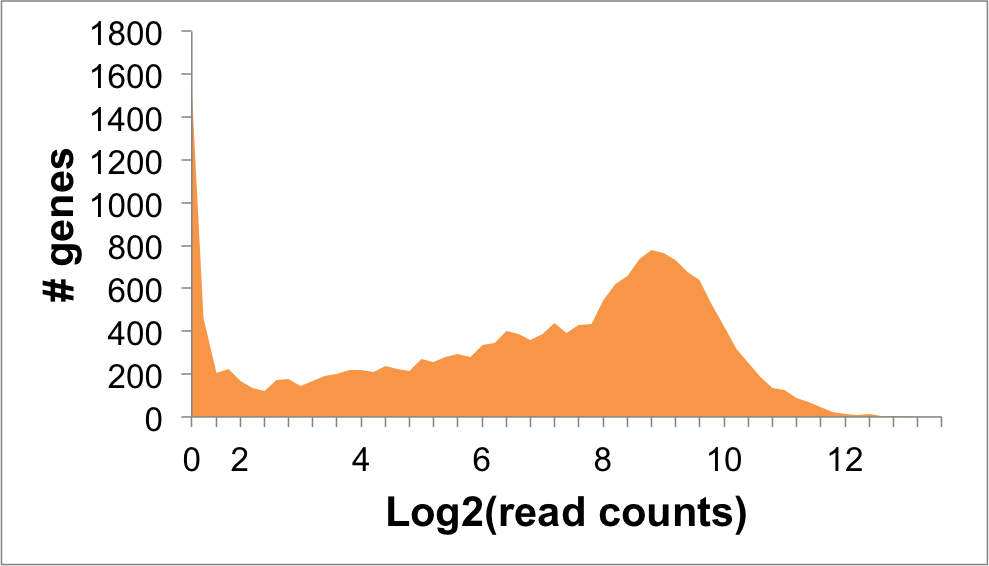
- Expression level (log2 read counts): 2.7
Expression Distribution
SMAD7 Expression in NALM6 Cells: 2.7