TWIST1
Gene Information
- Official Symbol: TWIST1
- Official Name: twist family bHLH transcription factor 1
- Aliases and Previous Symbols: N/A
- Entrez ID: 7291
- UniProt: Q15672
- Interactions: BioGRID
- PubMed articles: Open PubMed
- OMIM: Open OMIM
Function Summary
- Entrez Summary: This gene encodes a basic helix-loop-helix (bHLH) transcription factor that plays an important role in embryonic development. The encoded protein forms both homodimers and heterodimers that bind to DNA E box sequences and regulate the transcription of genes involved in cranial suture closure during skull development. This protein may also regulate neural tube closure, limb development and brown fat metabolism. This gene is hypermethylated and overexpressed in multiple human cancers, and the encoded protein promotes tumor cell invasion and metastasis. Mutations in this gene cause Saethre-Chotzen syndrome in human patients, which is characterized by craniosynostosis, ptosis and hypertelorism. [provided by RefSeq, Aug 2017].
- UniProt Summary: Acts as a transcriptional regulator. Inhibits myogenesis by sequestrating E proteins, inhibiting trans-activation by MEF2, and inhibiting DNA-binding by MYOD1 through physical interaction. This interaction probably involves the basic domains of both proteins. Also represses expression of proinflammatory cytokines such as TNFA and IL1B. Regulates cranial suture patterning and fusion. Activates transcription as a heterodimer with E proteins. Regulates gene expression differentially, depending on dimer composition. Homodimers induce expression of FGFR2 and POSTN while heterodimers repress FGFR2 and POSTN expression and induce THBS1 expression. Heterodimerization is also required for osteoblast differentiation. Represses the activity of the circadian transcriptional activator: NPAS2-ARNTL/BMAL1 heterodimer (By similarity). {ECO:0000250, ECO:0000269|PubMed:12553906, ECO:0000269|PubMed:25981568}.
Pfam Domains GO Terms
Pfam Domains
| HLH |
GO Terms
| positive regulation of endocardial cushion to mesenchymal transition involved in heart valve formation |
| regulation of endocardial cushion to mesenchymal transition |
| positive regulation of endocardial cushion to mesenchymal transition |
| cell proliferation involved in heart valve development |
| regulation of endocardial cushion to mesenchymal transition involved in heart valve formation |
| negative regulation of oxidative phosphorylation uncoupler activity |
| negative regulation of histone phosphorylation |
| negative regulation of peroxisome proliferator activated receptor signaling pathway |
| regulation of oxidative phosphorylation uncoupler activity |
| cardiac neural crest cell migration involved in outflow tract morphogenesis |
| cardiac neural crest cell development involved in outflow tract morphogenesis |
| cardiac neural crest cell differentiation involved in heart development |
| positive regulation of cardiac epithelial to mesenchymal transition |
| cardiac neural crest cell development involved in heart development |
| outer ear morphogenesis |
| cranial suture morphogenesis |
| positive regulation of fatty acid beta-oxidation |
| positive regulation of monocyte chemotactic protein-1 production |
| mitral valve morphogenesis |
| mitral valve development |
| regulation of cardiac epithelial to mesenchymal transition |
| embryonic camera-type eye formation |
| negative regulation of skeletal muscle tissue development |
| negative regulation of phosphatidylinositol 3-kinase signaling |
| regulation of histone phosphorylation |
| eyelid development in camera-type eye |
| regulation of peroxisome proliferator activated receptor signaling pathway |
| cell migration involved in heart development |
| positive regulation of fatty acid oxidation |
| negative regulation of DNA damage response, signal transduction by p53 class mediator |
| negative regulation of histone acetylation |
| regulation of monocyte chemotactic protein-1 production |
| regulation of fatty acid beta-oxidation |
| negative regulation of cellular senescence |
| negative regulation of peptidyl-lysine acetylation |
| craniofacial suture morphogenesis |
| negative regulation of protein acetylation |
| regulation of proton transport |
| positive regulation of lipid catabolic process |
| atrioventricular valve morphogenesis |
| negative regulation of cell aging |
| bHLH transcription factor binding |
| positive regulation of transcription regulatory region DNA binding |
| atrioventricular valve development |
| positive regulation of DNA-templated transcription, initiation |
| embryonic camera-type eye morphogenesis |
| embryonic hindlimb morphogenesis |
| aortic valve morphogenesis |
| regulation of fatty acid oxidation |
| positive regulation of interleukin-6 secretion |
| negative regulation of double-strand break repair |
| negative regulation of signal transduction by p53 class mediator |
| aortic valve development |
| embryonic forelimb morphogenesis |
| negative regulation of DNA repair |
| positive regulation of fatty acid metabolic process |
| embryonic eye morphogenesis |
| regulation of DNA damage response, signal transduction by p53 class mediator |
| endocardial cushion morphogenesis |
| regulation of DNA-templated transcription, initiation |
| hindlimb morphogenesis |
| embryonic camera-type eye development |
| semi-lunar valve development |
| regulation of heart morphogenesis |
| negative regulation of histone modification |
| regulation of cellular senescence |
| forelimb morphogenesis |
| endocardial cushion development |
| negative regulation of osteoblast differentiation |
| embryonic cranial skeleton morphogenesis |
| positive regulation of epithelial to mesenchymal transition |
| regulation of cell aging |
| negative regulation of striated muscle tissue development |
| negative regulation of muscle organ development |
| regulation of skeletal muscle tissue development |
| mesenchyme morphogenesis |
| E-box binding |
| negative regulation of muscle tissue development |
| heart valve morphogenesis |
| regulation of transcription regulatory region DNA binding |
| regulation of lipid catabolic process |
| neural crest cell migration |
| positive regulation of chemokine production |
| positive regulation of DNA binding |
| regulation of histone acetylation |
| negative regulation of tumor necrosis factor production |
| embryonic digit morphogenesis |
| negative regulation of chromatin organization |
| heart valve development |
| negative regulation of tumor necrosis factor superfamily cytokine production |
| regulation of peptidyl-lysine acetylation |
| cranial skeletal system development |
| regulation of protein acetylation |
| negative regulation of ossification |
| outflow tract morphogenesis |
| regulation of bone mineralization |
| regulation of chemokine production |
| regulation of double-strand break repair |
| negative regulation of transporter activity |
| neural crest cell development |
| negative regulation of response to DNA damage stimulus |
| positive regulation of animal organ morphogenesis |
| negative regulation of cation transmembrane transport |
| stem cell development |
| regulation of epithelial to mesenchymal transition |
| mesenchymal cell development |
| positive regulation of tumor necrosis factor production |
| regulation of fatty acid metabolic process |
| positive regulation of tumor necrosis factor superfamily cytokine production |
| neural crest cell differentiation |
| roof of mouth development |
| neural tube closure |
| tube closure |
| regulation of biomineralization |
| regulation of biomineral tissue development |
| embryonic skeletal system morphogenesis |
| positive regulation of interleukin-6 production |
| negative regulation of ion transmembrane transport |
| primary neural tube formation |
| neural tube formation |
| regulation of osteoblast differentiation |
| camera-type eye morphogenesis |
| bone morphogenesis |
| cardiocyte differentiation |
| negative regulation of transmembrane transport |
| ear morphogenesis |
| regulation of phosphatidylinositol 3-kinase signaling |
| neuron migration |
| odontogenesis |
| negative regulation of DNA metabolic process |
| embryonic epithelial tube formation |
| regulation of DNA repair |
| regulation of DNA binding |
| embryonic limb morphogenesis |
| embryonic appendage morphogenesis |
| embryonic skeletal system development |
| osteoblast differentiation |
| regulation of striated muscle tissue development |
| epithelial tube formation |
| negative regulation of chromosome organization |
| regulation of muscle tissue development |
| regulation of muscle organ development |
| positive regulation of small molecule metabolic process |
| positive regulation of cytokine secretion |
| regulation of interleukin-6 production |
| positive regulation of lipid metabolic process |
| morphogenesis of embryonic epithelium |
| regulation of histone modification |
| negative regulation of ion transport |
| tube formation |
| eye morphogenesis |
| regulation of tumor necrosis factor production |
| appendage morphogenesis |
| limb morphogenesis |
| regulation of tumor necrosis factor superfamily cytokine production |
| mesenchymal cell differentiation |
| stem cell differentiation |
| neural tube development |
| negative regulation of DNA-binding transcription factor activity |
| positive regulation of angiogenesis |
| ameboidal-type cell migration |
| regulation of cellular ketone metabolic process |
| positive regulation of binding |
| appendage development |
| limb development |
| regulation of signal transduction by p53 class mediator |
| positive regulation of vasculature development |
| cellular response to hypoxia |
| regulation of chromatin organization |
| positive regulation of epithelial cell proliferation |
| regulation of ossification |
| cellular response to decreased oxygen levels |
| bone development |
| regulation of cytokine secretion |
| cellular response to oxygen levels |
| regulation of response to DNA damage stimulus |
| mesenchyme development |
| ear development |
| skeletal system morphogenesis |
| protein domain specific binding |
| heart morphogenesis |
| sensory organ morphogenesis |
| regulation of animal organ morphogenesis |
| ossification |
| regulation of transmembrane transporter activity |
| positive regulation of protein secretion |
| negative regulation of cytokine production |
| rhythmic process |
| regulation of transporter activity |
| regulation of angiogenesis |
| embryonic organ morphogenesis |
| positive regulation of peptide secretion |
| muscle organ development |
| epithelial tube morphogenesis |
| camera-type eye development |
| regulation of vasculature development |
| transcription factor binding |
| regulation of cation transmembrane transport |
| regulation of epithelial cell proliferation |
| response to hypoxia |
| regulation of chromosome organization |
| regulation of DNA metabolic process |
| response to decreased oxygen levels |
| eye development |
| visual system development |
| positive regulation of cellular catabolic process |
| sensory system development |
| negative regulation of organelle organization |
| regulation of binding |
| in utero embryonic development |
| response to oxygen levels |
| regulation of lipid metabolic process |
| positive regulation of secretion by cell |
| negative regulation of protein phosphorylation |
| positive regulation of protein transport |
| regulation of DNA-binding transcription factor activity |
| regulation of small molecule metabolic process |
| morphogenesis of an epithelium |
| positive regulation of catabolic process |
| embryonic organ development |
| positive regulation of secretion |
| negative regulation of phosphorylation |
| positive regulation of cytokine production |
| positive regulation of establishment of protein localization |
| regulation of protein secretion |
| muscle structure development |
| regulation of ion transmembrane transport |
| negative regulation of transport |
| protein heterodimerization activity |
| skeletal system development |
| regulation of peptide secretion |
| cellular response to growth factor stimulus |
| negative regulation of intracellular signal transduction |
| positive regulation of cell motility |
| heart development |
| response to growth factor |
| positive regulation of cellular component movement |
| sensory organ development |
| positive regulation of locomotion |
| cell population proliferation |
| negative regulation of phosphate metabolic process |
| negative regulation of phosphorus metabolic process |
| regulation of transmembrane transport |
| tissue morphogenesis |
| embryonic morphogenesis |
| negative regulation of protein modification process |
| chordate embryonic development |
| embryo development ending in birth or egg hatching |
| tube morphogenesis |
| cytokine-mediated signaling pathway |
| regulation of cytokine production |
| regulation of ion transport |
| negative regulation of cellular component organization |
| regulation of protein transport |
| negative regulation of cell differentiation |
| regulation of cellular response to stress |
| regulation of peptide transport |
| regulation of establishment of protein localization |
| regulation of secretion by cell |
| regulation of secretion |
| regulation of cellular catabolic process |
| tube development |
| negative regulation of transcription by RNA polymerase II |
| circulatory system development |
| protein homodimerization activity |
| negative regulation of apoptotic process |
| anatomical structure formation involved in morphogenesis |
| negative regulation of programmed cell death |
| regulation of cell motility |
| positive regulation of cell population proliferation |
| negative regulation of developmental process |
| animal organ morphogenesis |
| cell migration |
| positive regulation of cell differentiation |
| embryo development |
| regulation of locomotion |
| positive regulation of transport |
| negative regulation of cell death |
| regulation of catabolic process |
| regulation of cellular component movement |
| cellular response to cytokine stimulus |
| regulation of protein localization |
| negative regulation of cellular protein metabolic process |
| regulation of anatomical structure morphogenesis |
| localization of cell |
| cell motility |
| response to cytokine |
| negative regulation of protein metabolic process |
| epithelium development |
| negative regulation of molecular function |
| response to abiotic stimulus |
| negative regulation of transcription, DNA-templated |
| negative regulation of multicellular organismal process |
| positive regulation of transcription by RNA polymerase II |
| negative regulation of nucleic acid-templated transcription |
| negative regulation of RNA biosynthetic process |
| negative regulation of signal transduction |
| regulation of organelle organization |
| locomotion |
| negative regulation of RNA metabolic process |
| negative regulation of cell communication |
| negative regulation of signaling |
| positive regulation of developmental process |
| negative regulation of cellular macromolecule biosynthetic process |
| negative regulation of nucleobase-containing compound metabolic process |
| regulation of protein phosphorylation |
| negative regulation of macromolecule biosynthetic process |
| regulation of response to stress |
| negative regulation of cellular biosynthetic process |
| generation of neurons |
| positive regulation of transcription, DNA-templated |
| regulation of apoptotic process |
| negative regulation of biosynthetic process |
| movement of cell or subcellular component |
| DNA-binding transcription factor activity, RNA polymerase II-specific |
| regulation of programmed cell death |
| regulation of phosphorylation |
| regulation of cell population proliferation |
| negative regulation of response to stimulus |
| neurogenesis |
| positive regulation of nucleic acid-templated transcription |
| positive regulation of RNA biosynthetic process |
| cell development |
| regulation of cell death |
| cellular response to stress |
| negative regulation of gene expression |
| positive regulation of RNA metabolic process |
| positive regulation of multicellular organismal process |
| tissue development |
| positive regulation of molecular function |
| regulation of phosphate metabolic process |
| regulation of phosphorus metabolic process |
| regulation of cell differentiation |
| regulation of intracellular signal transduction |
| regulation of protein modification process |
| regulation of transport |
| positive regulation of nucleobase-containing compound metabolic process |
| positive regulation of macromolecule biosynthetic process |
| positive regulation of cellular biosynthetic process |
| positive regulation of gene expression |
| positive regulation of biosynthetic process |
CRISPR Data
Compound Hit Most Correlated Genes in Chemogenomics Tissues where Essential in the Avana Dataset (DepMap 20Q1)
Compound Hit
| Screen | Score |
|---|---|
| CB-5083 0.4μM R08 exp468 | -1.89 |
| Nocodazole 0.2μM R02 exp64 | 2.02 |
| Vinblastine 0.015μM R05 exp208 | 2.05 |
| Nocodazole 0.2μM R00 exp24 | 2.3 |
| HMS-I1 10μM R06 exp256 | 2.58 |
| R-DABN 8μM R03 exp111 | 2.66 |
| Nocodazole 0.1μM R03 exp94 | 3.58 |
Most Correlated Genes in Chemogenomics
No correlation found to any other genes in chemogenomics.
Tissues where Essential in the Avana Dataset (DepMap 20Q1)
Global Fraction of Cell Lines Where Essential: 0/726
| Tissue | Fraction Of Cell Lines Where Essential |
|---|---|
| 1290807.0 | 0/1 |
| 909776.0 | 0/1 |
| bile duct | 0/28 |
| blood | 0/28 |
| bone | 0/25 |
| breast | 0/33 |
| central nervous system | 0/56 |
| cervix | 0/4 |
| colorectal | 0/17 |
| esophagus | 0/13 |
| fibroblast | 0/1 |
| gastric | 0/15 |
| kidney | 0/21 |
| liver | 0/20 |
| lung | 0/75 |
| lymphocyte | 0/14 |
| ovary | 0/26 |
| pancreas | 0/24 |
| peripheral nervous system | 0/16 |
| plasma cell | 0/15 |
| prostate | 0/1 |
| skin | 0/24 |
| soft tissue | 0/7 |
| thyroid | 0/2 |
| upper aerodigestive | 0/22 |
| urinary tract | 0/29 |
| uterus | 0/5 |
Essentiality in NALM6
- Essentiality Rank: 16839
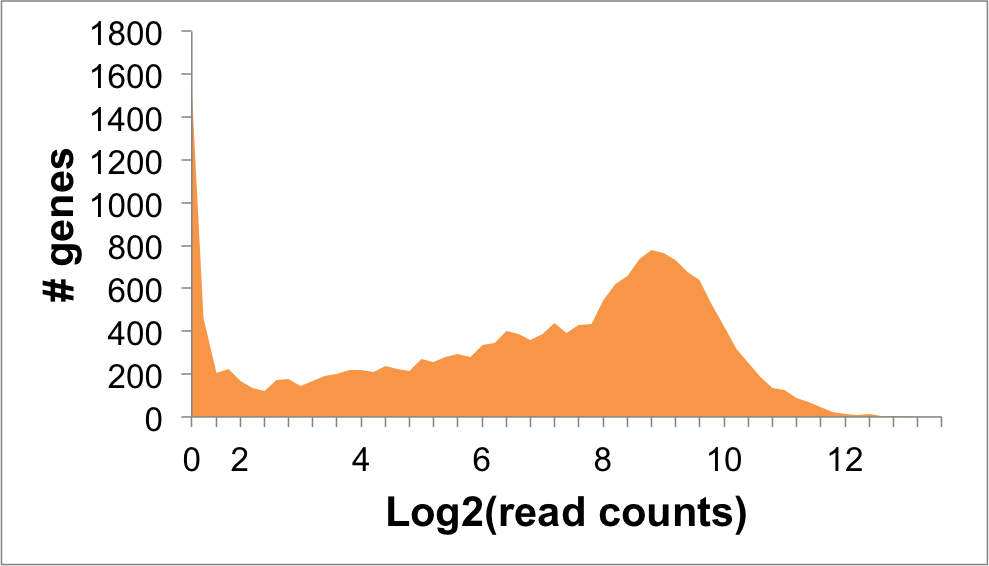
- Expression level (log2 read counts): -1.85
Expression Distribution
TWIST1 Expression in NALM6 Cells: -1.85