BECN1
Gene Information
- Official Symbol: BECN1
- Official Name: beclin 1
- Aliases and Previous Symbols: N/A
- Entrez ID: 8678
- UniProt: Q14457
- Interactions: BioGRID
- PubMed articles: Open PubMed
- OMIM: Open OMIM
Function Summary
- Entrez Summary: N/A
- UniProt Summary: Plays a central role in autophagy (PubMed:23184933, PubMed:28445460). Acts as core subunit of the PI3K complex that mediates formation of phosphatidylinositol 3-phosphate; different complex forms are believed to play a role in multiple membrane trafficking pathways: PI3KC3-C1 is involved in initiation of autophagosomes and PI3KC3-C2 in maturation of autophagosomes and endocytosis. Involved in regulation of degradative endocytic trafficking and required for the abcission step in cytokinesis, probably in the context of PI3KC3-C2 (PubMed:20643123, PubMed:20208530, PubMed:26783301). Essential for the formation of PI3KC3-C2 but not PI3KC3-C1 PI3K complex forms. Involved in endocytosis (PubMed:25275521). Protects against infection by a neurovirulent strain of Sindbis virus (PubMed:9765397). May play a role in antiviral host defense. {ECO:0000269|PubMed:20208530, ECO:0000269|PubMed:20643123, ECO:0000269|PubMed:23184933, ECO:0000269|PubMed:25275521, ECO:0000269|PubMed:26783301, ECO:0000269|PubMed:28445460, ECO:0000269|PubMed:9765397, ECO:0000305}.
Pfam Domains GO Terms
Pfam Domains
| APG6 |
GO Terms
| negative regulation of lysosome organization |
| cellular response to aluminum ion |
| positive regulation of attachment of mitotic spindle microtubules to kinetochore |
| regulation of attachment of mitotic spindle microtubules to kinetochore |
| protein localization by the Cvt pathway |
| phosphatidylinositol 3-kinase complex, class III, type I |
| phosphatidylinositol 3-kinase complex, class III, type II |
| regulation of lysosome organization |
| response to aluminum ion |
| response to iron(II) ion |
| positive regulation of attachment of spindle microtubules to kinetochore |
| phosphatidylinositol 3-kinase complex, class III |
| mitophagy |
| regulation of metaphase plate congression |
| positive regulation of autophagosome assembly |
| response to vitamin E |
| regulation of attachment of spindle microtubules to kinetochore |
| engulfment of apoptotic cell |
| cellular response to nitrogen levels |
| negative regulation of autophagosome assembly |
| cellular response to nitrogen starvation |
| positive regulation of vacuole organization |
| late endosome to vacuole transport |
| positive regulation of mitotic sister chromatid segregation |
| response to mitochondrial depolarisation |
| amyloid-beta metabolic process |
| phosphatidylinositol 3-kinase binding |
| early endosome to late endosome transport |
| selective autophagy |
| response to lead ion |
| vesicle-mediated transport between endosomal compartments |
| phagophore assembly site |
| receptor catabolic process |
| positive regulation of chromosome segregation |
| positive regulation of cardiac muscle hypertrophy |
| cellular response to copper ion |
| positive regulation of muscle hypertrophy |
| response to iron ion |
| negative regulation of macroautophagy |
| GTPase binding |
| regulation of autophagosome assembly |
| negative regulation of organelle assembly |
| autophagy of mitochondrion |
| apoptotic cell clearance |
| mitochondrion disassembly |
| regulation of vacuole organization |
| cellular response to glucose starvation |
| cellular response to epidermal growth factor stimulus |
| cellular response to amino acid starvation |
| response to copper ion |
| mitotic metaphase plate congression |
| response to amino acid starvation |
| response to epidermal growth factor |
| positive regulation of mitotic nuclear division |
| cellular defense response |
| negative regulation of reactive oxygen species metabolic process |
| metaphase plate congression |
| regulation of cardiac muscle hypertrophy |
| positive regulation of intrinsic apoptotic signaling pathway |
| regulation of muscle hypertrophy |
| lytic vacuole organization |
| lysosome organization |
| phagocytic vesicle |
| autophagosome assembly |
| protein localization to vacuole |
| organelle disassembly |
| autophagosome organization |
| extrinsic component of membrane |
| positive regulation of nuclear division |
| positive regulation of macroautophagy |
| regulation of mitotic sister chromatid segregation |
| autophagosome |
| cellular response to hydrogen peroxide |
| establishment of chromosome localization |
| chromosome localization |
| positive regulation of organelle assembly |
| regulation of sister chromatid segregation |
| negative regulation of autophagy |
| regulation of muscle adaptation |
| positive regulation of phosphatidylinositol 3-kinase signaling |
| response to vitamin |
| regulation of cytokinesis |
| mitochondrial membrane |
| regulation of chromosome segregation |
| receptor metabolic process |
| mitotic sister chromatid segregation |
| cellular response to antibiotic |
| response to hydrogen peroxide |
| regulation of phosphatidylinositol 3-kinase signaling |
| positive regulation of autophagy |
| phagocytosis, engulfment |
| vacuole organization |
| cellular response to reactive oxygen species |
| plasma membrane invagination |
| vacuolar transport |
| sister chromatid segregation |
| membrane invagination |
| cytosolic transport |
| mitotic nuclear division |
| positive regulation of mitotic cell cycle |
| cellular response to starvation |
| regulation of intrinsic apoptotic signaling pathway |
| macroautophagy |
| regulation of mitotic nuclear division |
| regulation of cell division |
| trans-Golgi network |
| regulation of macroautophagy |
| positive regulation of apoptotic signaling pathway |
| positive regulation of chromosome organization |
| regulation of reactive oxygen species metabolic process |
| regulation of nuclear division |
| defense response to virus |
| cellular response to metal ion |
| response to starvation |
| response to reactive oxygen species |
| endosome membrane |
| cellular response to toxic substance |
| response to nutrient |
| nuclear chromosome segregation |
| cellular response to inorganic substance |
| regulation of organelle assembly |
| cellular response to nutrient levels |
| regulation of muscle system process |
| cellular response to oxidative stress |
| negative regulation of cellular catabolic process |
| process utilizing autophagic mechanism |
| autophagy |
| cellular response to extracellular stimulus |
| endosome |
| chromosome segregation |
| aging |
| response to virus |
| protein deubiquitination |
| nuclear division |
| positive regulation of cell cycle process |
| ubiquitin protein ligase binding |
| protein modification by small protein removal |
| response to antibiotic |
| negative regulation of catabolic process |
| organelle fission |
| phagocytosis |
| regulation of autophagy |
| cellular response to external stimulus |
| response to hypoxia |
| regulation of chromosome organization |
| response to decreased oxygen levels |
| establishment of organelle localization |
| positive regulation of cellular catabolic process |
| response to metal ion |
| negative regulation of organelle organization |
| positive regulation of cell cycle |
| response to oxygen levels |
| response to oxidative stress |
| regulation of apoptotic signaling pathway |
| cellular component disassembly |
| cellular response to drug |
| dendrite |
| positive regulation of catabolic process |
| mitochondrion organization |
| protein kinase binding |
| cell division |
| response to nutrient levels |
| cellular response to growth factor stimulus |
| response to toxic substance |
| positive regulation of cellular component biogenesis |
| peptide metabolic process |
| response to extracellular stimulus |
| response to growth factor |
| response to inorganic substance |
| endocytosis |
| organelle localization |
| regulation of system process |
| mitotic cell cycle process |
| positive regulation of organelle organization |
| regulation of mitotic cell cycle |
| positive regulation of apoptotic process |
| positive regulation of programmed cell death |
| negative regulation of cell population proliferation |
| import into cell |
| mitotic cell cycle |
| positive regulation of cell death |
| viral process |
| negative regulation of cellular component organization |
| protein localization to organelle |
| regulation of cell cycle process |
| organelle assembly |
| symbiotic process |
| cellular amide metabolic process |
| neuron development |
| interspecies interaction between organisms |
| regulation of cellular catabolic process |
| membrane organization |
| protein homodimerization activity |
| negative regulation of apoptotic process |
| negative regulation of programmed cell death |
| regulation of cellular localization |
| response to organic cyclic compound |
| apoptotic process |
| endoplasmic reticulum membrane |
| defense response to other organism |
| regulation of cellular component biogenesis |
| protein modification by small protein conjugation or removal |
| negative regulation of cell death |
| regulation of catabolic process |
| cell cycle process |
| neuron differentiation |
| endoplasmic reticulum |
| response to drug |
| positive regulation of intracellular signal transduction |
| macromolecule catabolic process |
| programmed cell death |
| cellular response to oxygen-containing compound |
| chromosome organization |
| cell death |
| immune effector process |
| response to abiotic stimulus |
| regulation of cell cycle |
| positive regulation of cellular component organization |
| cellular response to endogenous stimulus |
| mitochondrion |
| proteolysis |
| regulation of organelle organization |
| response to other organism |
| response to external biotic stimulus |
| response to biotic stimulus |
| defense response |
| cell cycle |
| response to endogenous stimulus |
| intracellular transport |
| generation of neurons |
| regulation of apoptotic process |
| response to oxygen-containing compound |
| regulation of programmed cell death |
| cellular protein localization |
| cellular macromolecule localization |
| regulation of cell population proliferation |
| neurogenesis |
| cell development |
| positive regulation of signal transduction |
| regulation of cell death |
| cellular response to stress |
| positive regulation of multicellular organismal process |
| organic substance catabolic process |
| cellular catabolic process |
| positive regulation of cell communication |
| positive regulation of signaling |
| regulation of intracellular signal transduction |
| establishment of localization in cell |
| vesicle-mediated transport |
CRISPR Data
Compound Hit Most Correlated Genes in Chemogenomics Tissues where Essential in the Avana Dataset (DepMap 20Q1)
Compound Hit
Most Correlated Genes in Chemogenomics
No correlation found to any other genes in chemogenomics.
Tissues where Essential in the Avana Dataset (DepMap 20Q1)
Global Fraction of Cell Lines Where Essential: 1/739
| Tissue | Fraction Of Cell Lines Where Essential |
|---|---|
| 1290807.0 | 0/1 |
| 909776.0 | 0/1 |
| bile duct | 0/28 |
| blood | 0/28 |
| bone | 0/26 |
| breast | 1/33 |
| central nervous system | 0/56 |
| cervix | 0/4 |
| colorectal | 0/17 |
| esophagus | 0/13 |
| fibroblast | 0/1 |
| gastric | 0/16 |
| kidney | 0/21 |
| liver | 0/20 |
| lung | 0/75 |
| lymphocyte | 0/16 |
| ovary | 0/26 |
| pancreas | 0/24 |
| peripheral nervous system | 0/16 |
| plasma cell | 0/15 |
| prostate | 0/1 |
| skin | 0/24 |
| soft tissue | 0/9 |
| thyroid | 0/2 |
| upper aerodigestive | 0/22 |
| urinary tract | 0/29 |
| uterus | 0/5 |
Essentiality in NALM6
- Essentiality Rank: 1836
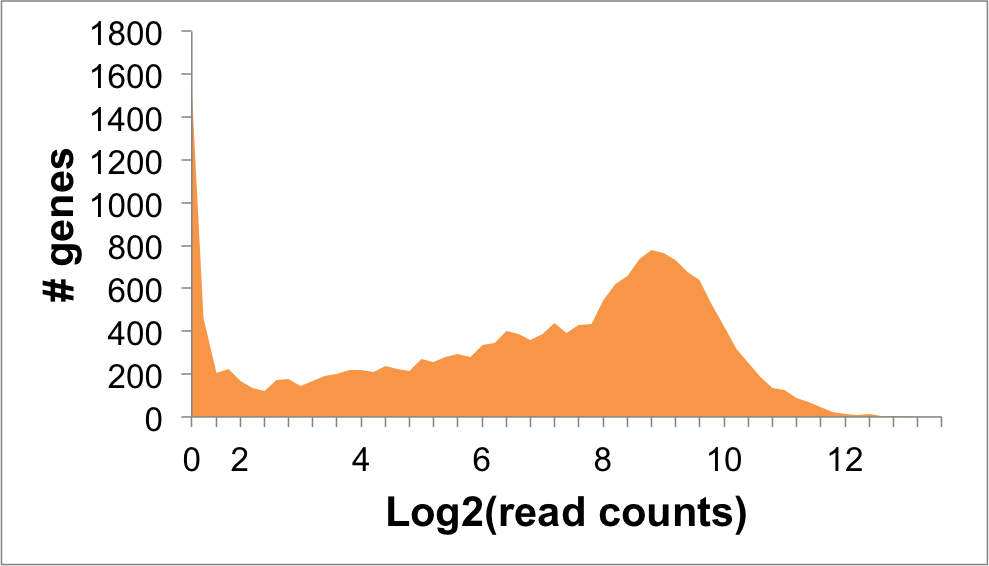
- Expression level (log2 read counts): 5.92
Expression Distribution
BECN1 Expression in NALM6 Cells: 5.92