ING2
Gene Information
- Official Symbol: ING2
- Official Name: inhibitor of growth family member 2
- Aliases and Previous Symbols: N/A
- Entrez ID: 3622
- UniProt: Q9H160
- Interactions: BioGRID
- PubMed articles: Open PubMed
- OMIM: Open OMIM
Function Summary
- Entrez Summary: N/A
- UniProt Summary: Seems to be involved in p53/TP53 activation and p53/TP53-dependent apoptotic pathways, probably by enhancing acetylation of p53/TP53. Component of a mSin3A-like corepressor complex, which is probably involved in deacetylation of nucleosomal histones. ING2 activity seems to be modulated by binding to phosphoinositides (PtdInsPs). {ECO:0000269|PubMed:11481424, ECO:0000269|PubMed:12859901}.
Pfam Domains GO Terms
Pfam Domains
| ING |
| PHD |
GO Terms
| germ-line stem cell division |
| male germ-line stem cell asymmetric division |
| CCAAT-binding factor complex |
| germline stem cell asymmetric division |
| asymmetric stem cell division |
| seminiferous tubule development |
| Sin3 complex |
| negative regulation of intrinsic apoptotic signaling pathway in response to DNA damage by p53 class mediator |
| asymmetric cell division |
| regulation of intrinsic apoptotic signaling pathway in response to DNA damage by p53 class mediator |
| positive regulation of histone deacetylation |
| negative regulation of intrinsic apoptotic signaling pathway by p53 class mediator |
| positive regulation of protein deacetylation |
| male meiosis I |
| regulation of histone deacetylation |
| positive regulation of cellular response to transforming growth factor beta stimulus |
| positive regulation of transforming growth factor beta receptor signaling pathway |
| regulation of intrinsic apoptotic signaling pathway by p53 class mediator |
| negative regulation of intrinsic apoptotic signaling pathway in response to DNA damage |
| negative regulation of signal transduction by p53 class mediator |
| stem cell division |
| regulation of intrinsic apoptotic signaling pathway in response to DNA damage |
| regulation of cellular senescence |
| regulation of protein deacetylation |
| regulation of cell aging |
| male meiotic nuclear division |
| methylated histone binding |
| sperm motility |
| flagellated sperm motility |
| negative regulation of response to DNA damage stimulus |
| phosphatidylinositol binding |
| positive regulation of histone modification |
| cilium-dependent cell motility |
| cilium or flagellum-dependent cell motility |
| negative regulation of intrinsic apoptotic signaling pathway |
| positive regulation of transmembrane receptor protein serine/threonine kinase signaling pathway |
| positive regulation of chromatin organization |
| meiosis I |
| meiosis I cell cycle process |
| regulation of transforming growth factor beta receptor signaling pathway |
| regulation of cellular response to transforming growth factor beta stimulus |
| male gonad development |
| development of primary male sexual characteristics |
| regulation of histone modification |
| spermatid development |
| meiotic nuclear division |
| spermatid differentiation |
| male sex differentiation |
| regulation of intrinsic apoptotic signaling pathway |
| meiotic cell cycle process |
| positive regulation of chromosome organization |
| regulation of signal transduction by p53 class mediator |
| regulation of chromatin organization |
| gonad development |
| development of primary sexual characteristics |
| regulation of response to DNA damage stimulus |
| meiotic cell cycle |
| negative regulation of apoptotic signaling pathway |
| regulation of transmembrane receptor protein serine/threonine kinase signaling pathway |
| germ cell development |
| sex differentiation |
| protein-containing complex binding |
| regulation of cellular response to growth factor stimulus |
| nuclear division |
| organelle fission |
| regulation of chromosome organization |
| cellular process involved in reproduction in multicellular organism |
| chromatin binding |
| regulation of apoptotic signaling pathway |
| reproductive structure development |
| reproductive system development |
| cell division |
| negative regulation of intracellular signal transduction |
| spermatogenesis |
| male gamete generation |
| positive regulation of organelle organization |
| developmental process involved in reproduction |
| regulation of growth |
| negative regulation of cell population proliferation |
| gamete generation |
| chromatin organization |
| regulation of cellular response to stress |
| multicellular organismal reproductive process |
| sexual reproduction |
| multicellular organism reproduction |
| tube development |
| negative regulation of apoptotic process |
| negative regulation of programmed cell death |
| Golgi apparatus |
| multi-organism reproductive process |
| negative regulation of cell death |
| cell cycle process |
| chromosome organization |
| cell motility |
| localization of cell |
| positive regulation of cellular component organization |
| positive regulation of protein modification process |
| negative regulation of signal transduction |
| regulation of organelle organization |
| locomotion |
| cell cycle |
| negative regulation of cell communication |
| negative regulation of signaling |
| reproductive process |
| reproduction |
| DNA binding |
| regulation of response to stress |
| regulation of apoptotic process |
| positive regulation of transcription, DNA-templated |
| movement of cell or subcellular component |
| regulation of programmed cell death |
| positive regulation of cellular protein metabolic process |
| regulation of cell population proliferation |
| negative regulation of response to stimulus |
| positive regulation of nucleic acid-templated transcription |
| positive regulation of RNA biosynthetic process |
| cell development |
| positive regulation of signal transduction |
| regulation of cell death |
| positive regulation of protein metabolic process |
| positive regulation of RNA metabolic process |
| positive regulation of cell communication |
| positive regulation of signaling |
| regulation of intracellular signal transduction |
| regulation of protein modification process |
| positive regulation of nucleobase-containing compound metabolic process |
| positive regulation of macromolecule biosynthetic process |
| positive regulation of cellular biosynthetic process |
| positive regulation of gene expression |
| positive regulation of biosynthetic process |
CRISPR Data
Compound Hit Most Correlated Genes in Chemogenomics Tissues where Essential in the Avana Dataset (DepMap 20Q1)
Compound Hit
Tissues where Essential in the Avana Dataset (DepMap 20Q1)
Global Fraction of Cell Lines Where Essential: 0/726
| Tissue | Fraction Of Cell Lines Where Essential |
|---|---|
| 1290807.0 | 0/1 |
| 909776.0 | 0/1 |
| bile duct | 0/28 |
| blood | 0/28 |
| bone | 0/25 |
| breast | 0/33 |
| central nervous system | 0/56 |
| cervix | 0/4 |
| colorectal | 0/17 |
| esophagus | 0/13 |
| fibroblast | 0/1 |
| gastric | 0/15 |
| kidney | 0/21 |
| liver | 0/20 |
| lung | 0/75 |
| lymphocyte | 0/14 |
| ovary | 0/26 |
| pancreas | 0/24 |
| peripheral nervous system | 0/16 |
| plasma cell | 0/15 |
| prostate | 0/1 |
| skin | 0/24 |
| soft tissue | 0/7 |
| thyroid | 0/2 |
| upper aerodigestive | 0/22 |
| urinary tract | 0/29 |
| uterus | 0/5 |
Essentiality in NALM6
- Essentiality Rank: 18933
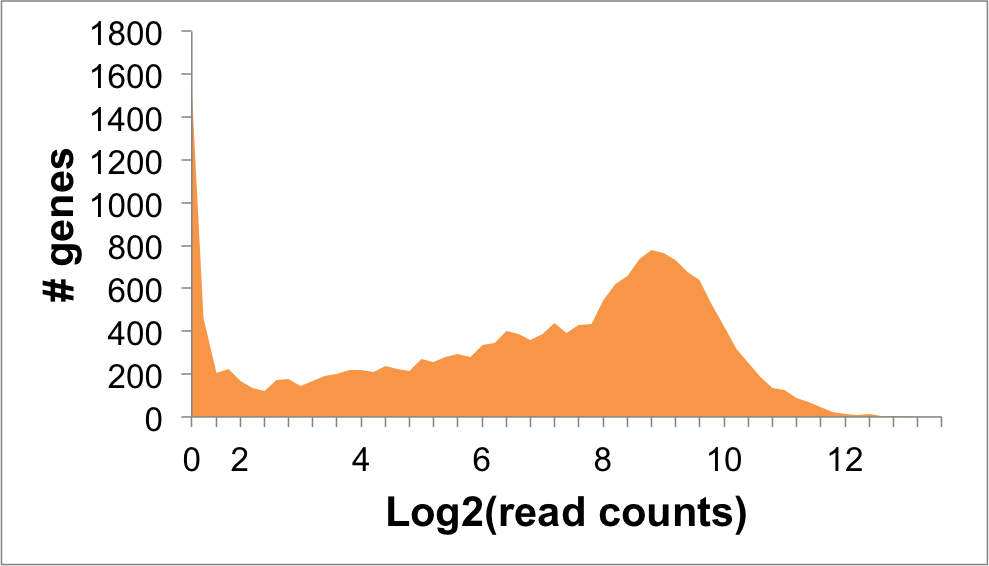
- Expression level (log2 read counts): 3.03
Expression Distribution
ING2 Expression in NALM6 Cells: 3.03