PPARG
Gene Information
- Official Symbol: PPARG
- Official Name: peroxisome proliferator activated receptor gamma
- Aliases and Previous Symbols: N/A
- Entrez ID: 5468
- UniProt: P37231
- Interactions: BioGRID
- PubMed articles: Open PubMed
- OMIM: Open OMIM
Function Summary
- Entrez Summary: This gene encodes a member of the peroxisome proliferator-activated receptor (PPAR) subfamily of nuclear receptors. PPARs form heterodimers with retinoid X receptors (RXRs) and these heterodimers regulate transcription of various genes. Three subtypes of PPARs are known: PPAR-alpha, PPAR-delta, and PPAR-gamma. The protein encoded by this gene is PPAR-gamma and is a regulator of adipocyte differentiation. Additionally, PPAR-gamma has been implicated in the pathology of numerous diseases including obesity, diabetes, atherosclerosis and cancer. Alternatively spliced transcript variants that encode different isoforms have been described. [provided by RefSeq, Jul 2008].
- UniProt Summary: N/A
Pfam Domains GO Terms
Pfam Domains
| PPARgamma N |
| Hormone recep |
| zf-C4 |
GO Terms
| low-density lipoprotein particle receptor biosynthetic process |
| prostaglandin receptor activity |
| negative regulation of pancreatic stellate cell proliferation |
| response to metformin |
| regulation of cholesterol transporter activity |
| cellular response to vitamin E |
| regulation of pancreatic stellate cell proliferation |
| regulation of lipid transporter activity |
| DBD domain binding |
| negative regulation of vascular endothelial cell proliferation |
| arachidonic acid binding |
| negative regulation of sequestering of triglyceride |
| receptor biosynthetic process |
| negative regulation of receptor biosynthetic process |
| foam cell differentiation |
| negative regulation of interferon-gamma-mediated signaling pathway |
| negative regulation of response to interferon-gamma |
| LBD domain binding |
| peroxisome proliferator activated receptor signaling pathway |
| positive regulation of vascular associated smooth muscle cell apoptotic process |
| macrophage derived foam cell differentiation |
| cellular response to hyperoxia |
| pri-miRNA transcription by RNA polymerase II |
| negative regulation of cholesterol storage |
| regulation of vascular associated smooth muscle cell apoptotic process |
| negative regulation of collagen biosynthetic process |
| negative regulation of collagen metabolic process |
| low-density lipoprotein receptor particle metabolic process |
| response to vitamin E |
| lipoprotein localization |
| negative regulation of acute inflammatory response |
| negative regulation of telomerase activity |
| regulation of sequestering of triglyceride |
| lipoprotein transport |
| positive regulation of membrane invagination |
| positive regulation of phagocytosis, engulfment |
| negative regulation of macrophage derived foam cell differentiation |
| white fat cell differentiation |
| cellular response to increased oxygen levels |
| negative regulation of gene silencing by miRNA |
| regulation of cholesterol storage |
| regulation of phagocytosis, engulfment |
| positive regulation of smooth muscle cell apoptotic process |
| positive regulation of fatty acid oxidation |
| regulation of membrane invagination |
| cellular response to prostaglandin E stimulus |
| negative regulation of gene silencing by RNA |
| negative regulation of posttranscriptional gene silencing |
| response to caffeine |
| response to diuretic |
| regulation of transcription involved in cell fate commitment |
| alpha-actinin binding |
| mononuclear cell differentiation |
| monocyte differentiation |
| retinoid X receptor binding |
| cellular response to low-density lipoprotein particle stimulus |
| negative regulation of vascular smooth muscle cell proliferation |
| response to vitamin A |
| regulation of vascular endothelial cell proliferation |
| negative regulation of lipid storage |
| response to hyperoxia |
| cellular response to prostaglandin stimulus |
| regulation of receptor biosynthetic process |
| response to prostaglandin E |
| fatty acid binding |
| positive regulation of oligodendrocyte differentiation |
| cellular response to vitamin |
| regulation of smooth muscle cell apoptotic process |
| regulation of response to interferon-gamma |
| regulation of interferon-gamma-mediated signaling pathway |
| response to immobilization stress |
| response to lipoprotein particle |
| response to increased oxygen levels |
| positive regulation of muscle cell apoptotic process |
| negative regulation of fibroblast proliferation |
| regulation of macrophage derived foam cell differentiation |
| cellular response to lipoprotein particle stimulus |
| regulation of fatty acid oxidation |
| response to prostaglandin |
| negative regulation of blood vessel endothelial cell migration |
| activating transcription factor binding |
| positive regulation of fatty acid metabolic process |
| RNA polymerase II repressing transcription factor binding |
| regulation of collagen biosynthetic process |
| negative regulation of gene silencing |
| negative regulation of endothelial cell proliferation |
| negative regulation of DNA biosynthetic process |
| regulation of oligodendrocyte differentiation |
| regulation of collagen metabolic process |
| negative regulation of lipid localization |
| positive regulation of glial cell differentiation |
| estrogen receptor binding |
| regulation of acute inflammatory response |
| regulation of lipid storage |
| negative regulation of smooth muscle cell proliferation |
| regulation of sterol transport |
| nuclear receptor activity |
| negative regulation of endothelial cell migration |
| response to cold |
| E-box binding |
| regulation of vascular smooth muscle cell proliferation |
| regulation of telomerase activity |
| peptide binding |
| steroid hormone receptor activity |
| cellular response to fatty acid |
| positive regulation of DNA binding |
| negative regulation of innate immune response |
| protein self-association |
| drug binding |
| long-chain fatty acid transport |
| positive regulation of fat cell differentiation |
| negative regulation of cytokine-mediated signaling pathway |
| negative regulation of response to cytokine stimulus |
| nuclear receptor transcription coactivator activity |
| negative regulation of epithelial cell migration |
| cellular response to nutrient |
| regulation of muscle cell apoptotic process |
| positive regulation of phagocytosis |
| cellular response to retinoic acid |
| regulation of glial cell differentiation |
| positive regulation of gliogenesis |
| RNA polymerase II transcription factor complex |
| fatty acid transport |
| animal organ regeneration |
| response to estrogen |
| transcription regulatory region sequence-specific DNA binding |
| fatty acid oxidation |
| lipid oxidation |
| regulation of fibroblast proliferation |
| cellular response to alcohol |
| response to fatty acid |
| protein phosphatase binding |
| response to vitamin |
| regulation of fatty acid metabolic process |
| regulation of gene silencing by miRNA |
| activation of cysteine-type endopeptidase activity involved in apoptotic process |
| regulation of posttranscriptional gene silencing |
| regulation of blood vessel endothelial cell migration |
| regulation of gene silencing by RNA |
| cellular response to ketone |
| negative regulation of response to biotic stimulus |
| regulation of phagocytosis |
| positive regulation of endocytosis |
| double-stranded DNA binding |
| negative regulation of angiogenesis |
| receptor metabolic process |
| negative regulation of blood vessel morphogenesis |
| fat cell differentiation |
| regulation of lipid transport |
| response to retinoic acid |
| myeloid leukocyte differentiation |
| response to alkaloid |
| regulation of DNA biosynthetic process |
| regulation of circadian rhythm |
| regulation of gliogenesis |
| negative regulation of vasculature development |
| steroid hormone mediated signaling pathway |
| negative regulation of DNA metabolic process |
| regulation of fat cell differentiation |
| negative regulation of epithelial cell proliferation |
| regulation of DNA binding |
| regulation of endothelial cell proliferation |
| regulation of gene silencing |
| positive regulation of cysteine-type endopeptidase activity involved in apoptotic process |
| regulation of smooth muscle cell proliferation |
| lipid homeostasis |
| negative regulation of inflammatory response |
| monocarboxylic acid transport |
| regulation of lipid localization |
| positive regulation of small molecule metabolic process |
| positive regulation of lipid metabolic process |
| negative regulation of immune response |
| positive regulation of cysteine-type endopeptidase activity |
| placenta development |
| response to purine-containing compound |
| lipid binding |
| regeneration |
| regulation of endothelial cell migration |
| cell maturation |
| cellular response to insulin stimulus |
| regulation of cytokine-mediated signaling pathway |
| intracellular receptor signaling pathway |
| hormone-mediated signaling pathway |
| regulation of cellular ketone metabolic process |
| positive regulation of endopeptidase activity |
| regulation of response to cytokine stimulus |
| transcription initiation from RNA polymerase II promoter |
| response to temperature stimulus |
| positive regulation of binding |
| regulation of blood pressure |
| negative regulation of cell growth |
| glucose homeostasis |
| carbohydrate homeostasis |
| cellular response to steroid hormone stimulus |
| protein C-terminus binding |
| positive regulation of peptidase activity |
| response to starvation |
| response to ketone |
| lipid modification |
| signaling receptor activity |
| regulation of endocytosis |
| negative regulation of defense response |
| cellular response to acid chemical |
| response to mechanical stimulus |
| cellular response to oxygen levels |
| negative regulation of multi-organism process |
| regulation of cysteine-type endopeptidase activity involved in apoptotic process |
| response to nutrient |
| DNA-templated transcription, initiation |
| transcription regulatory region DNA binding |
| regulation of epithelial cell migration |
| myeloid cell differentiation |
| response to insulin |
| response to alcohol |
| cellular response to nutrient levels |
| developmental maturation |
| regulation of cysteine-type endopeptidase activity |
| negative regulation of growth |
| DNA-binding transcription repressor activity, RNA polymerase II-specific |
| cell fate commitment |
| negative regulation of cell migration |
| positive regulation of DNA-binding transcription factor activity |
| cellular response to extracellular stimulus |
| cellular response to peptide hormone stimulus |
| negative regulation of cell motility |
| negative regulation of transferase activity |
| rhythmic process |
| regulation of transporter activity |
| regulation of angiogenesis |
| carboxylic acid transport |
| organic acid transport |
| lipid transport |
| response to xenobiotic stimulus |
| negative regulation of cellular component movement |
| RNA polymerase II regulatory region sequence-specific DNA binding |
| lipid localization |
| regulation of vasculature development |
| negative regulation of locomotion |
| fatty acid metabolic process |
| cellular response to peptide |
| response to steroid hormone |
| leukocyte differentiation |
| transcription factor binding |
| regulation of epithelial cell proliferation |
| cellular response to external stimulus |
| regulation of inflammatory response |
| response to acid chemical |
| enzyme binding |
| regulation of DNA metabolic process |
| positive regulation of proteolysis |
| negative regulation of response to external stimulus |
| regulation of binding |
| response to oxygen levels |
| blood circulation |
| response to peptide hormone |
| chromatin binding |
| regulation of lipid metabolic process |
| circulatory system process |
| regulation of endopeptidase activity |
| regulation of cell growth |
| sequence-specific DNA binding |
| reproductive structure development |
| regulation of DNA-binding transcription factor activity |
| regulation of small molecule metabolic process |
| reproductive system development |
| negative regulation of immune system process |
| regulation of peptidase activity |
| regulation of innate immune response |
| organic anion transport |
| positive regulation of neurogenesis |
| response to peptide |
| transcription by RNA polymerase II |
| protein heterodimerization activity |
| response to nutrient levels |
| cellular response to lipid |
| regulation of response to biotic stimulus |
| heart development |
| monocarboxylic acid metabolic process |
| response to extracellular stimulus |
| positive regulation of nervous system development |
| cellular response to organic cyclic compound |
| positive regulation of cell development |
| regulation of vesicle-mediated transport |
| hemopoiesis |
| anion transport |
| protein-containing complex |
| cellular response to organonitrogen compound |
| cellular response to hormone stimulus |
| hematopoietic or lymphoid organ development |
| transcription, DNA-templated |
| nucleic acid-templated transcription |
| positive regulation of apoptotic process |
| positive regulation of programmed cell death |
| immune system development |
| RNA biosynthetic process |
| cellular response to nitrogen compound |
| developmental process involved in reproduction |
| regulation of growth |
| DNA-binding transcription factor activity |
| negative regulation of cell population proliferation |
| epithelial cell differentiation |
| intracellular membrane-bounded organelle |
| perinuclear region of cytoplasm |
| positive regulation of cell death |
| negative regulation of cell differentiation |
| regulation of proteolysis |
| regulation of defense response |
| innate immune response |
| positive regulation of hydrolase activity |
| regulation of multi-organism process |
| negative regulation of catalytic activity |
| regulation of neurogenesis |
| zinc ion binding |
| regulation of cell migration |
| response to lipid |
| negative regulation of transcription by RNA polymerase II |
| circulatory system development |
| response to hormone |
| carboxylic acid metabolic process |
| regulation of cell motility |
| response to organic cyclic compound |
| regulation of nervous system development |
| regulation of cell development |
| negative regulation of developmental process |
| defense response to other organism |
| cellular lipid metabolic process |
| oxidation-reduction process |
| positive regulation of cell differentiation |
| regulation of transferase activity |
| regulation of locomotion |
| positive regulation of transport |
| regulation of cellular component movement |
| response to organonitrogen compound |
| oxoacid metabolic process |
| response to drug |
| organic acid metabolic process |
| cellular response to oxygen-containing compound |
| regulation of anatomical structure morphogenesis |
| identical protein binding |
| response to nitrogen compound |
| regulation of response to external stimulus |
| nucleobase-containing compound biosynthetic process |
| chemical homeostasis |
| epithelium development |
| negative regulation of molecular function |
| regulation of immune response |
| response to abiotic stimulus |
| heterocycle biosynthetic process |
| aromatic compound biosynthetic process |
| negative regulation of transcription, DNA-templated |
| negative regulation of multicellular organismal process |
| positive regulation of cellular component organization |
| lipid metabolic process |
| positive regulation of transcription by RNA polymerase II |
| cellular response to endogenous stimulus |
| negative regulation of nucleic acid-templated transcription |
| negative regulation of RNA biosynthetic process |
| negative regulation of signal transduction |
| regulation of hydrolase activity |
| response to other organism |
| organic cyclic compound biosynthetic process |
| response to external biotic stimulus |
| G protein-coupled receptor signaling pathway |
| response to biotic stimulus |
| negative regulation of RNA metabolic process |
| defense response |
| negative regulation of cell communication |
| negative regulation of signaling |
| positive regulation of developmental process |
| ion transport |
| negative regulation of cellular macromolecule biosynthetic process |
| organonitrogen compound biosynthetic process |
| reproductive process |
| reproduction |
| positive regulation of catalytic activity |
| negative regulation of nucleobase-containing compound metabolic process |
| DNA binding |
| negative regulation of macromolecule biosynthetic process |
| response to endogenous stimulus |
| regulation of response to stress |
| protein transport |
| negative regulation of cellular biosynthetic process |
| generation of neurons |
| peptide transport |
| positive regulation of transcription, DNA-templated |
| regulation of apoptotic process |
| negative regulation of biosynthetic process |
| response to oxygen-containing compound |
| DNA-binding transcription factor activity, RNA polymerase II-specific |
| regulation of programmed cell death |
| amide transport |
| positive regulation of cellular protein metabolic process |
| establishment of protein localization |
| regulation of cell population proliferation |
| negative regulation of response to stimulus |
| neurogenesis |
| cellular nitrogen compound biosynthetic process |
| positive regulation of nucleic acid-templated transcription |
| positive regulation of RNA biosynthetic process |
| homeostatic process |
| cell development |
| regulation of immune system process |
| RNA metabolic process |
| regulation of cell death |
| cellular response to stress |
| positive regulation of protein metabolic process |
| cellular macromolecule biosynthetic process |
| negative regulation of gene expression |
| positive regulation of RNA metabolic process |
| positive regulation of multicellular organismal process |
| small molecule metabolic process |
| tissue development |
| macromolecule biosynthetic process |
| positive regulation of molecular function |
| regulation of cell differentiation |
| nitrogen compound transport |
| regulation of transport |
| immune response |
| positive regulation of nucleobase-containing compound metabolic process |
| positive regulation of macromolecule biosynthetic process |
| system process |
| positive regulation of cellular biosynthetic process |
| positive regulation of gene expression |
| gene expression |
| positive regulation of biosynthetic process |
CRISPR Data
Compound Hit Most Correlated Genes in Chemogenomics Tissues where Essential in the Avana Dataset (DepMap 20Q1)
Compound Hit
| Screen | Score |
|---|---|
| WNT3A 44ng/ml R08 exp537 | -1.7 |
Most Correlated Genes in Chemogenomics
No correlation found to any other genes in chemogenomics.
Tissues where Essential in the Avana Dataset (DepMap 20Q1)
Global Fraction of Cell Lines Where Essential: 0/726
| Tissue | Fraction Of Cell Lines Where Essential |
|---|---|
| 1290807.0 | 0/1 |
| 909776.0 | 0/1 |
| bile duct | 0/28 |
| blood | 0/28 |
| bone | 0/25 |
| breast | 0/33 |
| central nervous system | 0/56 |
| cervix | 0/4 |
| colorectal | 0/17 |
| esophagus | 0/13 |
| fibroblast | 0/1 |
| gastric | 0/15 |
| kidney | 0/21 |
| liver | 0/20 |
| lung | 0/75 |
| lymphocyte | 0/14 |
| ovary | 0/26 |
| pancreas | 0/24 |
| peripheral nervous system | 0/16 |
| plasma cell | 0/15 |
| prostate | 0/1 |
| skin | 0/24 |
| soft tissue | 0/7 |
| thyroid | 0/2 |
| upper aerodigestive | 0/22 |
| urinary tract | 0/29 |
| uterus | 0/5 |
Essentiality in NALM6
- Essentiality Rank: 7362
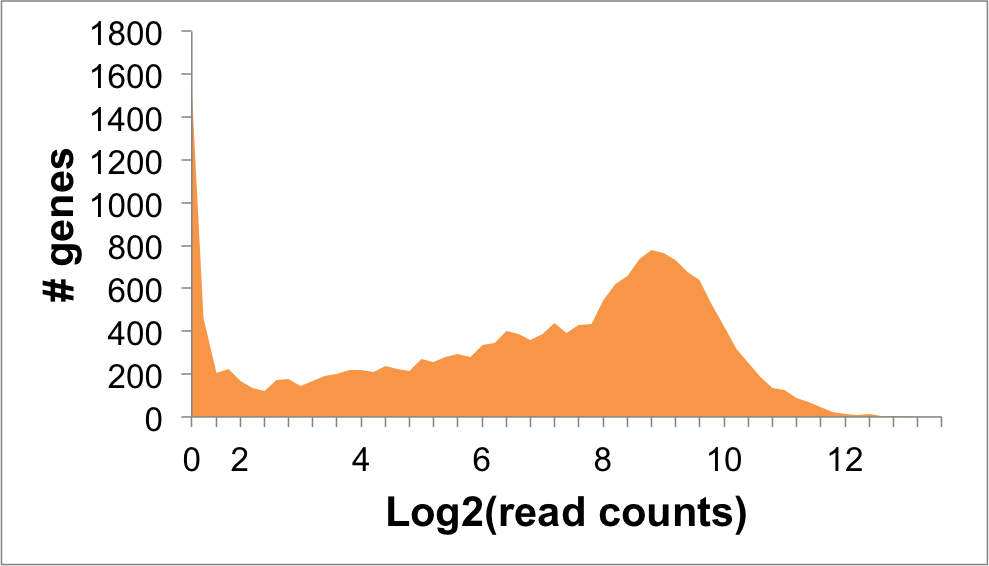
- Expression level (log2 read counts): -0.33
Expression Distribution
PPARG Expression in NALM6 Cells: -0.33