HDAC2
Gene Information
- Official Symbol: HDAC2
- Official Name: histone deacetylase 2
- Aliases and Previous Symbols: N/A
- Entrez ID: 3066
- UniProt: Q92769
- Interactions: BioGRID
- PubMed articles: Open PubMed
- OMIM: Open OMIM
Function Summary
- Entrez Summary: N/A
- UniProt Summary: Responsible for the deacetylation of lysine residues on the N-terminal part of the core histones (H2A, H2B, H3 and H4). Histone deacetylation gives a tag for epigenetic repression and plays an important role in transcriptional regulation, cell cycle progression and developmental events. Histone deacetylases act via the formation of large multiprotein complexes. Forms transcriptional repressor complexes by associating with MAD, SIN3, YY1 and N-COR. Interacts in the late S-phase of DNA-replication with DNMT1 in the other transcriptional repressor complex composed of DNMT1, DMAP1, PCNA, CAF1. Deacetylates TSHZ3 and regulates its transcriptional repressor activity. Component of a RCOR/GFI/KDM1A/HDAC complex that suppresses, via histone deacetylase (HDAC) recruitment, a number of genes implicated in multilineage blood cell development. May be involved in the transcriptional repression of circadian target genes, such as PER1, mediated by CRY1 through histone deacetylation. Involved in MTA1-mediated transcriptional corepression of TFF1 and CDKN1A. {ECO:0000269|PubMed:19343227, ECO:0000269|PubMed:21965678}.
Pfam Domains GO Terms
Pfam Domains
| Hist deacetyl |
GO Terms
| positive regulation of male mating behavior |
| regulation of male mating behavior |
| fungiform papilla formation |
| hair follicle placode formation |
| maintenance of chromatin silencing |
| negative regulation of MHC class II biosynthetic process |
| fungiform papilla morphogenesis |
| fungiform papilla development |
| Sin3-type complex |
| tongue morphogenesis |
| behavioral response to ethanol |
| NAD-dependent histone deacetylase activity (H3-K14 specific) |
| protein deacetylase activity |
| ectodermal placode morphogenesis |
| ectodermal placode formation |
| histone H4 deacetylation |
| deacetylase activity |
| ectodermal placode development |
| negative regulation of dendritic spine development |
| eyelid development in camera-type eye |
| positive regulation of receptor biosynthetic process |
| Sin3 complex |
| regulation of MHC class II biosynthetic process |
| NuRD complex |
| ESC/E(Z) complex |
| response to caffeine |
| response to diuretic |
| negative regulation of peptidyl-lysine acetylation |
| tongue development |
| histone H3 deacetylation |
| negative regulation of protein acetylation |
| response to hyperoxia |
| regulation of receptor biosynthetic process |
| positive regulation of oligodendrocyte differentiation |
| positive regulation of collagen biosynthetic process |
| positive regulation of collagen metabolic process |
| histone deacetylase activity |
| response to increased oxygen levels |
| positive regulation of behavior |
| cardiac muscle hypertrophy |
| NF-kappaB binding |
| negative regulation of dendrite development |
| striated muscle hypertrophy |
| muscle hypertrophy |
| response to amphetamine |
| RNA polymerase II repressing transcription factor binding |
| regulation of collagen biosynthetic process |
| histone deacetylase complex |
| regulation of oligodendrocyte differentiation |
| regulation of collagen metabolic process |
| positive regulation of glial cell differentiation |
| nucleosomal DNA binding |
| response to amine |
| positive regulation of epithelial to mesenchymal transition |
| response to nicotine |
| promoter-specific chromatin binding |
| histone deacetylation |
| protein deacetylation |
| response to bronchodilator |
| response to cocaine |
| negative regulation of DNA binding |
| heat shock protein binding |
| positive regulation of interleukin-1 production |
| chromatin silencing |
| chromatin organization involved in negative regulation of transcription |
| embryonic digit morphogenesis |
| protein deacylation |
| regulation of peptidyl-lysine acetylation |
| circadian regulation of gene expression |
| macromolecule deacylation |
| positive regulation of tyrosine phosphorylation of STAT protein |
| cellular response to retinoic acid |
| regulation of glial cell differentiation |
| positive regulation of gliogenesis |
| chromatin organization involved in regulation of transcription |
| cellular response to heat |
| cellular response to hydrogen peroxide |
| hair follicle development |
| regulation of protein acetylation |
| regulation of behavior |
| regulation of dendritic spine development |
| skin epidermis development |
| molting cycle process |
| hair cycle process |
| ATP-dependent chromatin remodeling |
| response to anesthetic |
| positive regulation of reproductive process |
| regulation of tyrosine phosphorylation of STAT protein |
| negative regulation of gene expression, epigenetic |
| odontogenesis of dentin-containing tooth |
| regulation of epithelial to mesenchymal transition |
| positive regulation of receptor signaling pathway via JAK-STAT |
| positive regulation of tumor necrosis factor production |
| cellular response to dopamine |
| response to dopamine |
| positive regulation of tumor necrosis factor superfamily cytokine production |
| positive regulation of receptor signaling pathway via STAT |
| molting cycle |
| hair cycle |
| regulation of interleukin-1 production |
| RNA polymerase II distal enhancer sequence-specific DNA binding |
| cellular response to catecholamine stimulus |
| cellular response to monoamine stimulus |
| dendrite development |
| response to catecholamine |
| response to monoamine |
| response to retinoic acid |
| response to heat |
| histone deacetylase binding |
| response to alkaloid |
| regulation of gliogenesis |
| cellular response to antibiotic |
| response to hydrogen peroxide |
| odontogenesis |
| embryonic appendage morphogenesis |
| regulation of DNA binding |
| embryonic limb morphogenesis |
| response to ethanol |
| regulation of receptor signaling pathway via JAK-STAT |
| cellular response to ammonium ion |
| cellular response to reactive oxygen species |
| regulation of receptor signaling pathway via STAT |
| circadian rhythm |
| adult behavior |
| regulation of tumor necrosis factor production |
| limb morphogenesis |
| appendage morphogenesis |
| regulation of dendrite development |
| regulation of tumor necrosis factor superfamily cytokine production |
| gene silencing |
| response to purine-containing compound |
| negative regulation of neuron projection development |
| cellular response to transforming growth factor beta stimulus |
| regulation of reproductive process |
| negative regulation of DNA-binding transcription factor activity |
| response to transforming growth factor beta |
| chromatin remodeling |
| negative regulation of binding |
| response to temperature stimulus |
| limb development |
| appendage development |
| regulation of signal transduction by p53 class mediator |
| negative regulation of cell projection organization |
| response to ammonium ion |
| positive regulation of peptidyl-tyrosine phosphorylation |
| response to reactive oxygen species |
| cellular response to acid chemical |
| cellular response to toxic substance |
| negative regulation of neuron differentiation |
| response to alcohol |
| regulation of gene expression, epigenetic |
| nuclear chromatin |
| cellular response to oxidative stress |
| regulation of peptidyl-tyrosine phosphorylation |
| sensory organ morphogenesis |
| rhythmic process |
| negative regulation of neurogenesis |
| blood coagulation |
| coagulation |
| hemostasis |
| muscle system process |
| response to xenobiotic stimulus |
| response to antibiotic |
| negative regulation of nervous system development |
| camera-type eye development |
| response to lipopolysaccharide |
| epidermal cell differentiation |
| response to molecule of bacterial origin |
| transcription factor binding |
| negative regulation of cell development |
| response to acid chemical |
| enzyme binding |
| positive regulation of proteolysis |
| eye development |
| visual system development |
| histone modification |
| sensory system development |
| covalent chromatin modification |
| regulation of binding |
| response to oxygen levels |
| skin development |
| response to oxidative stress |
| chromatin binding |
| cellular response to drug |
| epidermis development |
| sequence-specific DNA binding |
| regulation of DNA-binding transcription factor activity |
| positive regulation of cytokine production |
| positive regulation of neurogenesis |
| wound healing |
| regulation of neuron projection development |
| regulation of body fluid levels |
| cellular response to growth factor stimulus |
| RNA polymerase II proximal promoter sequence-specific DNA binding |
| response to toxic substance |
| positive regulation of multi-organism process |
| cellular response to lipid |
| response to growth factor |
| response to inorganic substance |
| positive regulation of nervous system development |
| cellular response to organic cyclic compound |
| positive regulation of cell development |
| sensory organ development |
| embryonic morphogenesis |
| behavior |
| response to wounding |
| negative regulation of protein modification process |
| protein-containing complex |
| cellular response to organonitrogen compound |
| regulation of neuron differentiation |
| cellular response to nitrogen compound |
| neuron projection development |
| epithelial cell differentiation |
| response to bacterium |
| regulation of plasma membrane bounded cell projection organization |
| regulation of cytokine production |
| chromatin organization |
| negative regulation of cellular component organization |
| regulation of cell projection organization |
| negative regulation of cell differentiation |
| regulation of proteolysis |
| regulation of multi-organism process |
| neuron development |
| regulation of neurogenesis |
| response to lipid |
| negative regulation of transcription by RNA polymerase II |
| negative regulation of apoptotic process |
| anatomical structure formation involved in morphogenesis |
| negative regulation of programmed cell death |
| positive regulation of cell population proliferation |
| response to organic cyclic compound |
| regulation of nervous system development |
| regulation of cell development |
| negative regulation of developmental process |
| animal organ morphogenesis |
| positive regulation of cell differentiation |
| embryo development |
| negative regulation of cell death |
| response to organonitrogen compound |
| neuron differentiation |
| positive regulation of protein phosphorylation |
| response to drug |
| negative regulation of cellular protein metabolic process |
| cellular response to oxygen-containing compound |
| positive regulation of phosphorylation |
| chromosome organization |
| response to nitrogen compound |
| negative regulation of protein metabolic process |
| epithelium development |
| plasma membrane bounded cell projection organization |
| positive regulation of phosphorus metabolic process |
| positive regulation of phosphate metabolic process |
| negative regulation of molecular function |
| cell projection organization |
| response to abiotic stimulus |
| negative regulation of transcription, DNA-templated |
| negative regulation of multicellular organismal process |
| positive regulation of transcription by RNA polymerase II |
| cellular response to endogenous stimulus |
| positive regulation of protein modification process |
| negative regulation of nucleic acid-templated transcription |
| negative regulation of RNA biosynthetic process |
| response to other organism |
| response to external biotic stimulus |
| response to biotic stimulus |
| negative regulation of RNA metabolic process |
| positive regulation of developmental process |
| negative regulation of cellular macromolecule biosynthetic process |
| RNA binding |
| negative regulation of nucleobase-containing compound metabolic process |
| regulation of protein phosphorylation |
| negative regulation of macromolecule biosynthetic process |
| response to endogenous stimulus |
| negative regulation of cellular biosynthetic process |
| generation of neurons |
| regulation of apoptotic process |
| positive regulation of transcription, DNA-templated |
| negative regulation of biosynthetic process |
| response to oxygen-containing compound |
| regulation of programmed cell death |
| regulation of phosphorylation |
| positive regulation of cellular protein metabolic process |
| regulation of cell population proliferation |
| neurogenesis |
| positive regulation of nucleic acid-templated transcription |
| positive regulation of RNA biosynthetic process |
| cell development |
| positive regulation of signal transduction |
| regulation of cell death |
| cellular response to stress |
| positive regulation of protein metabolic process |
| negative regulation of gene expression |
| positive regulation of RNA metabolic process |
| positive regulation of multicellular organismal process |
| tissue development |
| regulation of phosphate metabolic process |
| regulation of phosphorus metabolic process |
| regulation of cell differentiation |
| positive regulation of cell communication |
| positive regulation of signaling |
| regulation of intracellular signal transduction |
| regulation of protein modification process |
| positive regulation of nucleobase-containing compound metabolic process |
| positive regulation of macromolecule biosynthetic process |
| system process |
| positive regulation of cellular biosynthetic process |
| positive regulation of gene expression |
| positive regulation of biosynthetic process |
CRISPR Data
Compound Hit Most Correlated Genes in Chemogenomics Tissues where Essential in the Avana Dataset (DepMap 20Q1)
Compound Hit
Tissues where Essential in the Avana Dataset (DepMap 20Q1)
Global Fraction of Cell Lines Where Essential: 2/726
| Tissue | Fraction Of Cell Lines Where Essential |
|---|---|
| 1290807.0 | 0/1 |
| 909776.0 | 0/1 |
| bile duct | 0/28 |
| blood | 0/28 |
| bone | 0/25 |
| breast | 0/33 |
| central nervous system | 0/56 |
| cervix | 0/4 |
| colorectal | 0/17 |
| esophagus | 0/13 |
| fibroblast | 0/1 |
| gastric | 0/15 |
| kidney | 0/21 |
| liver | 0/20 |
| lung | 0/75 |
| lymphocyte | 0/14 |
| ovary | 0/26 |
| pancreas | 0/24 |
| peripheral nervous system | 0/16 |
| plasma cell | 0/15 |
| prostate | 0/1 |
| skin | 0/24 |
| soft tissue | 0/7 |
| thyroid | 0/2 |
| upper aerodigestive | 0/22 |
| urinary tract | 0/29 |
| uterus | 0/5 |
Essentiality in NALM6
- Essentiality Rank: 18892
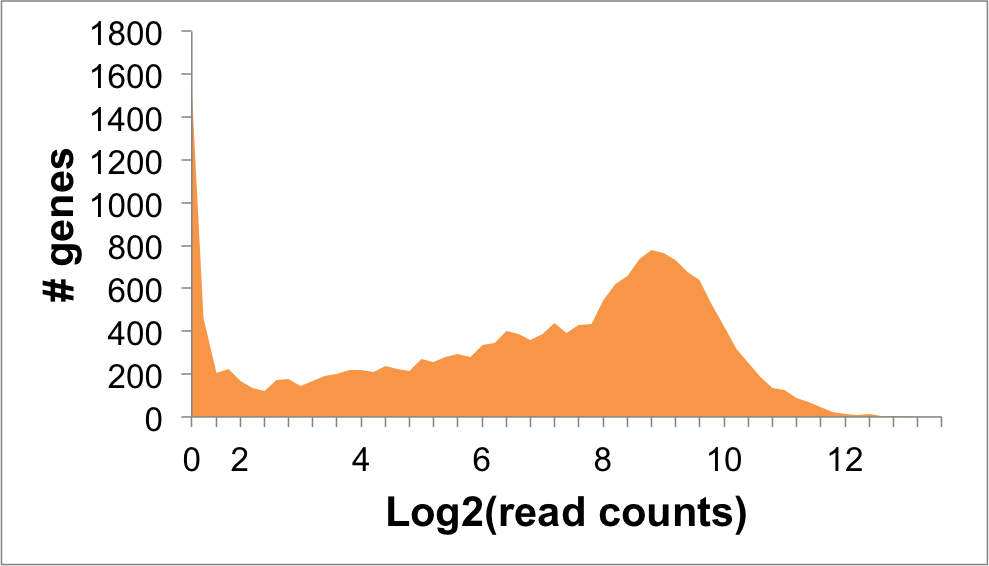
- Expression level (log2 read counts): 7.51
Expression Distribution
HDAC2 Expression in NALM6 Cells: 7.51