GSK3A
Gene Information
- Official Symbol: GSK3A
- Official Name: glycogen synthase kinase 3 alpha
- Aliases and Previous Symbols: N/A
- Entrez ID: 2931
- UniProt: P49840
- Interactions: BioGRID
- PubMed articles: Open PubMed
- OMIM: Open OMIM
Function Summary
- Entrez Summary: N/A
- UniProt Summary: Constitutively active protein kinase that acts as a negative regulator in the hormonal control of glucose homeostasis, Wnt signaling and regulation of transcription factors and microtubules, by phosphorylating and inactivating glycogen synthase (GYS1 or GYS2), CTNNB1/beta-catenin, APC and AXIN1. Requires primed phosphorylation of the majority of its substrates. Contributes to insulin regulation of glycogen synthesis by phosphorylating and inhibiting GYS1 activity and hence glycogen synthesis. Regulates glycogen metabolism in liver, but not in muscle. May also mediate the development of insulin resistance by regulating activation of transcription factors. In Wnt signaling, regulates the level and transcriptional activity of nuclear CTNNB1/beta-catenin. Facilitates amyloid precursor protein (APP) processing and the generation of APP-derived amyloid plaques found in Alzheimer disease. May be involved in the regulation of replication in pancreatic beta-cells. Is necessary for the establishment of neuronal polarity and axon outgrowth. Through phosphorylation of the anti-apoptotic protein MCL1, may control cell apoptosis in response to growth factors deprivation. {ECO:0000269|PubMed:12761548, ECO:0000269|PubMed:17229088}.
Pfam Domains GO Terms
Pfam Domains
| Pkinase Tyr |
| Pkinase |
GO Terms
| negative regulation of glycogen synthase activity, transferring glucose-1-phosphate |
| regulation of glycogen synthase activity, transferring glucose-1-phosphate |
| negative regulation of UDP-glucose catabolic process |
| regulation of UDP-glucose catabolic process |
| negative regulation of type B pancreatic cell development |
| positive regulation of adenylate cyclase-activating adrenergic receptor signaling pathway |
| negative regulation of glycogen (starch) synthase activity |
| positive regulation of glycogen (starch) synthase activity |
| positive regulation of adenylate cyclase-activating G protein-coupled receptor signaling pathway |
| proximal dendrite |
| negative regulation of glycogen biosynthetic process |
| response to interleukin-3 |
| negative regulation of glycogen metabolic process |
| cellular response to interleukin-3 |
| regulation of glycogen (starch) synthase activity |
| regulation of type B pancreatic cell development |
| regulation of cellular carbohydrate catabolic process |
| negative regulation of cell growth involved in cardiac muscle cell development |
| beta-catenin destruction complex |
| negative regulation of glucose import |
| regulation of adenylate cyclase-activating G protein-coupled receptor signaling pathway |
| protein kinase A catalytic subunit binding |
| cardiac left ventricle morphogenesis |
| positive regulation of amyloid-beta formation |
| apical dendrite |
| negative regulation of glucose transmembrane transport |
| negative regulation of cardiac muscle cell differentiation |
| regulation of cell growth involved in cardiac muscle cell development |
| positive regulation of amyloid precursor protein catabolic process |
| negative regulation of cardiocyte differentiation |
| tau-protein kinase activity |
| negative regulation of cardiac muscle tissue growth |
| positive regulation of cAMP-mediated signaling |
| negative regulation of heart growth |
| negative regulation of cardiac muscle hypertrophy |
| regulation of amyloid-beta formation |
| positive regulation of G protein-coupled receptor signaling pathway |
| negative regulation of muscle hypertrophy |
| negative regulation of dendrite development |
| regulation of glycogen biosynthetic process |
| regulation of glucan biosynthetic process |
| signal transduction in absence of ligand |
| extrinsic apoptotic signaling pathway in absence of ligand |
| negative regulation of organ growth |
| negative regulation of cardiac muscle tissue development |
| positive regulation of protein targeting to mitochondrion |
| regulation of amyloid precursor protein catabolic process |
| negative regulation of insulin receptor signaling pathway |
| dopamine receptor signaling pathway |
| regulation of glycogen metabolic process |
| positive regulation of mitochondrial outer membrane permeabilization involved in apoptotic signaling pathway |
| negative regulation of cellular response to insulin stimulus |
| regulation of cardiac muscle cell differentiation |
| regulation of polysaccharide biosynthetic process |
| negative regulation of striated muscle cell differentiation |
| positive regulation of heart contraction |
| negative regulation of epithelial cell differentiation |
| negative regulation of cellular carbohydrate metabolic process |
| regulation of autophagy of mitochondrion |
| regulation of polysaccharide metabolic process |
| regulation of mitochondrial outer membrane permeabilization involved in apoptotic signaling pathway |
| regulation of protein targeting to mitochondrion |
| tau protein binding |
| negative regulation of striated muscle tissue development |
| negative regulation of carbohydrate metabolic process |
| negative regulation of muscle organ development |
| regulation of cAMP-mediated signaling |
| glycogen metabolic process |
| negative regulation of TOR signaling |
| regulation of cardiocyte differentiation |
| glucan metabolic process |
| cellular glucan metabolic process |
| negative regulation of muscle tissue development |
| regulation of glucose import |
| negative regulation of muscle cell differentiation |
| IRE1-mediated unfolded protein response |
| regulation of cardiac muscle hypertrophy |
| positive regulation of establishment of protein localization to mitochondrion |
| regulation of cardiac muscle tissue growth |
| regulation of muscle hypertrophy |
| energy reserve metabolic process |
| excitatory postsynaptic potential |
| regulation of heart growth |
| regulation of insulin receptor signaling pathway |
| chemical synaptic transmission, postsynaptic |
| positive regulation of blood circulation |
| regulation of mitochondrial membrane permeability |
| regulation of cellular response to insulin stimulus |
| regulation of establishment of protein localization to mitochondrion |
| cardiac ventricle morphogenesis |
| regulation of glucose transmembrane transport |
| cellular polysaccharide metabolic process |
| regulation of cardiac muscle tissue development |
| regulation of membrane permeability |
| polysaccharide metabolic process |
| peptidyl-threonine phosphorylation |
| regulation of protein targeting |
| positive regulation of proteasomal ubiquitin-dependent protein catabolic process |
| postsynapse |
| regulation of muscle adaptation |
| cellular response to dopamine |
| response to dopamine |
| insulin receptor signaling pathway |
| regulation of carbohydrate catabolic process |
| negative regulation of small molecule metabolic process |
| peptidyl-threonine modification |
| signal transduction involved in cellular response to ammonium ion |
| regulation of systemic arterial blood pressure |
| regulation of organ growth |
| regulation of carbohydrate biosynthetic process |
| extrinsic apoptotic signaling pathway |
| positive regulation of ubiquitin-dependent protein catabolic process |
| regulation of postsynaptic membrane potential |
| regulation of striated muscle cell differentiation |
| cellular response to catecholamine stimulus |
| cellular response to monoamine stimulus |
| regulation of TOR signaling |
| positive regulation of proteasomal protein catabolic process |
| endoplasmic reticulum unfolded protein response |
| negative regulation of developmental growth |
| response to catecholamine |
| response to monoamine |
| regulation of glucose metabolic process |
| positive regulation of mitochondrion organization |
| positive regulation of protein ubiquitination |
| negative regulation of transmembrane transport |
| positive regulation of autophagy |
| positive regulation of proteolysis involved in cellular protein catabolic process |
| regulation of proteasomal ubiquitin-dependent protein catabolic process |
| cellular response to unfolded protein |
| cardiac chamber morphogenesis |
| mitochondrial membrane organization |
| cardiac ventricle development |
| cellular response to ammonium ion |
| regulation of striated muscle tissue development |
| positive regulation of protein modification by small protein conjugation or removal |
| regulation of muscle tissue development |
| regulation of muscle organ development |
| regulation of cellular carbohydrate metabolic process |
| positive regulation of cellular protein catabolic process |
| regulation of epithelial cell differentiation |
| regulation of G protein-coupled receptor signaling pathway |
| cellular response to topologically incorrect protein |
| regulation of dendrite development |
| positive regulation of cellular amide metabolic process |
| regulation of muscle cell differentiation |
| regulation of ubiquitin-dependent protein catabolic process |
| positive regulation of intracellular protein transport |
| negative regulation of neuron projection development |
| regulation of generation of precursor metabolites and energy |
| cellular response to insulin stimulus |
| response to unfolded protein |
| cellular carbohydrate metabolic process |
| cardiac chamber development |
| positive regulation of apoptotic signaling pathway |
| peptidyl-serine phosphorylation |
| negative regulation of canonical Wnt signaling pathway |
| regulation of mitochondrion organization |
| negative regulation of cell projection organization |
| regulation of blood pressure |
| negative regulation of cell growth |
| regulation of proteasomal protein catabolic process |
| response to ammonium ion |
| response to topologically incorrect protein |
| regulation of microtubule cytoskeleton organization |
| peptidyl-serine modification |
| regulation of protein ubiquitination |
| regulation of carbohydrate metabolic process |
| positive regulation of intracellular transport |
| negative regulation of Wnt signaling pathway |
| mitochondrial transport |
| regulation of proteolysis involved in cellular protein catabolic process |
| positive regulation of protein catabolic process |
| regulation of microtubule-based process |
| negative regulation of neuron differentiation |
| response to insulin |
| regulation of protein modification by small protein conjugation or removal |
| regulation of intracellular protein transport |
| energy derivation by oxidation of organic compounds |
| regulation of muscle system process |
| regulation of heart contraction |
| negative regulation of growth |
| regulation of cellular protein catabolic process |
| heart morphogenesis |
| negative regulation of cellular catabolic process |
| response to endoplasmic reticulum stress |
| cellular response to peptide hormone stimulus |
| negative regulation of transferase activity |
| regulation of canonical Wnt signaling pathway |
| apoptotic signaling pathway |
| regulation of blood circulation |
| negative regulation of neurogenesis |
| axon |
| negative regulation of catabolic process |
| negative regulation of nervous system development |
| proteasome-mediated ubiquitin-dependent protein catabolic process |
| positive regulation of cellular protein localization |
| cellular response to peptide |
| regulation of developmental growth |
| regulation of autophagy |
| negative regulation of cell development |
| signaling receptor binding |
| proteasomal protein catabolic process |
| regulation of intracellular transport |
| cell-cell signaling by wnt |
| positive regulation of proteolysis |
| Wnt signaling pathway |
| regulation of Wnt signaling pathway |
| protein serine/threonine kinase activity |
| positive regulation of cellular catabolic process |
| neuronal cell body |
| regulation of protein catabolic process |
| blood circulation |
| response to peptide hormone |
| circulatory system process |
| regulation of apoptotic signaling pathway |
| regulation of cellular amide metabolic process |
| cellular response to drug |
| regulation of cell growth |
| anterograde trans-synaptic signaling |
| chemical synaptic transmission |
| generation of precursor metabolites and energy |
| positive regulation of protein transport |
| regulation of small molecule metabolic process |
| cell surface receptor signaling pathway involved in cell-cell signaling |
| regulation of membrane potential |
| positive regulation of catabolic process |
| trans-synaptic signaling |
| mitochondrion organization |
| positive regulation of establishment of protein localization |
| synaptic signaling |
| protein kinase binding |
| response to peptide |
| carbohydrate metabolic process |
| negative regulation of transport |
| regulation of neuron projection development |
| negative regulation of intracellular signal transduction |
| transmembrane receptor protein tyrosine kinase signaling pathway |
| heart development |
| ubiquitin-dependent protein catabolic process |
| modification-dependent protein catabolic process |
| regulation of cellular protein localization |
| regulation of cytoskeleton organization |
| cellular response to organic cyclic compound |
| modification-dependent macromolecule catabolic process |
| negative regulation of phosphorus metabolic process |
| regulation of transmembrane transport |
| regulation of system process |
| proteolysis involved in cellular protein catabolic process |
| cellular response to organonitrogen compound |
| cellular response to hormone stimulus |
| cellular protein catabolic process |
| positive regulation of organelle organization |
| positive regulation of apoptotic process |
| positive regulation of programmed cell death |
| positive regulation of transferase activity |
| regulation of neuron differentiation |
| cellular response to nitrogen compound |
| regulation of growth |
| protein catabolic process |
| regulation of plasma membrane bounded cell projection organization |
| positive regulation of cell death |
| negative regulation of cellular component organization |
| regulation of protein transport |
| regulation of cell projection organization |
| negative regulation of cell differentiation |
| enzyme linked receptor protein signaling pathway |
| regulation of proteolysis |
| regulation of peptide transport |
| regulation of establishment of protein localization |
| negative regulation of catalytic activity |
| regulation of neurogenesis |
| regulation of cellular catabolic process |
| membrane organization |
| circulatory system development |
| peptidyl-amino acid modification |
| cellular macromolecule catabolic process |
| response to hormone |
| regulation of cellular localization |
| response to organic cyclic compound |
| apoptotic process |
| regulation of nervous system development |
| regulation of cell development |
| negative regulation of developmental process |
| animal organ morphogenesis |
| oxidation-reduction process |
| protein phosphorylation |
| regulation of transferase activity |
| positive regulation of transport |
| regulation of catabolic process |
| response to organonitrogen compound |
| cellular response to cytokine stimulus |
| response to drug |
| positive regulation of intracellular signal transduction |
| regulation of protein localization |
| macromolecule catabolic process |
| programmed cell death |
| cellular response to oxygen-containing compound |
| organonitrogen compound catabolic process |
| response to nitrogen compound |
| cell death |
| response to cytokine |
| cell-cell signaling |
| negative regulation of molecular function |
| negative regulation of multicellular organismal process |
| positive regulation of cellular component organization |
| cellular response to endogenous stimulus |
| positive regulation of protein modification process |
| mitochondrion |
| negative regulation of signal transduction |
| proteolysis |
| phosphorylation |
| regulation of organelle organization |
| negative regulation of cell communication |
| negative regulation of signaling |
| nervous system process |
| negative regulation of cellular macromolecule biosynthetic process |
| positive regulation of catalytic activity |
| negative regulation of nucleobase-containing compound metabolic process |
| negative regulation of macromolecule biosynthetic process |
| response to endogenous stimulus |
| ATP binding |
| negative regulation of cellular biosynthetic process |
| generation of neurons |
| regulation of apoptotic process |
| negative regulation of biosynthetic process |
| response to oxygen-containing compound |
| regulation of programmed cell death |
| positive regulation of cellular protein metabolic process |
| negative regulation of response to stimulus |
| neurogenesis |
| positive regulation of signal transduction |
| regulation of cell death |
| cellular response to stress |
| positive regulation of protein metabolic process |
| positive regulation of multicellular organismal process |
| organic substance catabolic process |
| positive regulation of molecular function |
| regulation of phosphorus metabolic process |
| cellular catabolic process |
| regulation of cell differentiation |
| positive regulation of cell communication |
| positive regulation of signaling |
| regulation of intracellular signal transduction |
| regulation of protein modification process |
| regulation of transport |
| system process |
| positive regulation of gene expression |
CRISPR Data
Compound Hit Most Correlated Genes in Chemogenomics Tissues where Essential in the Avana Dataset (DepMap 20Q1)
Compound Hit
Tissues where Essential in the Avana Dataset (DepMap 20Q1)
Global Fraction of Cell Lines Where Essential: 1/739
| Tissue | Fraction Of Cell Lines Where Essential |
|---|---|
| 1290807.0 | 0/1 |
| 909776.0 | 0/1 |
| bile duct | 0/28 |
| blood | 0/28 |
| bone | 0/26 |
| breast | 0/33 |
| central nervous system | 0/56 |
| cervix | 0/4 |
| colorectal | 0/17 |
| esophagus | 0/13 |
| fibroblast | 0/1 |
| gastric | 0/16 |
| kidney | 1/21 |
| liver | 0/20 |
| lung | 0/75 |
| lymphocyte | 0/16 |
| ovary | 0/26 |
| pancreas | 0/24 |
| peripheral nervous system | 0/16 |
| plasma cell | 0/15 |
| prostate | 0/1 |
| skin | 0/24 |
| soft tissue | 0/9 |
| thyroid | 0/2 |
| upper aerodigestive | 0/22 |
| urinary tract | 0/29 |
| uterus | 0/5 |
Essentiality in NALM6
- Essentiality Rank: 16743
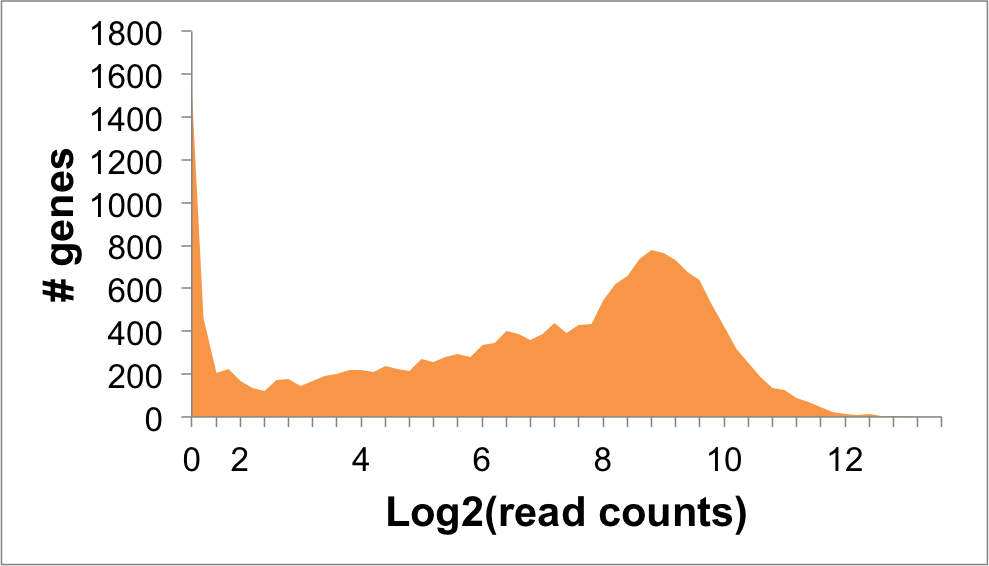
- Expression level (log2 read counts): 5.84
Expression Distribution
GSK3A Expression in NALM6 Cells: 5.84