KDM1A
Gene Information
- Official Symbol: KDM1A
- Official Name: lysine demethylase 1A
- Aliases and Previous Symbols: N/A
- Entrez ID: 23028
- UniProt: O60341
- Interactions: BioGRID
- PubMed articles: Open PubMed
- OMIM: Open OMIM
Function Summary
- Entrez Summary: This gene encodes a nuclear protein containing a SWIRM domain, a FAD-binding motif, and an amine oxidase domain. This protein is a component of several histone deacetylase complexes, though it silences genes by functioning as a histone demethylase. Alternative splicing results in multiple transcript variants. [provided by RefSeq, Apr 2009].
- UniProt Summary: N/A
Pfam Domains GO Terms
Pfam Domains
| SWIRM |
| DAO |
| Amino oxidase |
GO Terms
| telomeric repeat-containing RNA binding |
| histone demethylase activity (H3-dimethyl-K4 specific) |
| guanine metabolic process |
| positive regulation of histone ubiquitination |
| histone demethylase activity (H3-K4 specific) |
| MRF binding |
| negative regulation of histone H3-K4 methylation |
| DNA repair complex |
| demethylase activity |
| histone H3-K4 demethylation |
| regulation of histone ubiquitination |
| positive regulation of cell size |
| negative regulation of histone H3-K9 methylation |
| response to fungicide |
| positive regulation of chromatin binding |
| histone demethylase activity (H3-K9 specific) |
| histone H3-K9 demethylation |
| negative regulation of DNA damage response, signal transduction by p53 class mediator |
| histone demethylase activity |
| negative regulation of intrinsic apoptotic signaling pathway in response to DNA damage by p53 class mediator |
| alternative mRNA splicing, via spliceosome |
| regulation of intrinsic apoptotic signaling pathway in response to DNA damage by p53 class mediator |
| negative regulation of histone methylation |
| purine nucleobase metabolic process |
| positive regulation of neuroblast proliferation |
| negative regulation of intrinsic apoptotic signaling pathway by p53 class mediator |
| regulation of histone H3-K9 methylation |
| regulation of chromatin binding |
| telomeric DNA binding |
| regulation of histone H3-K4 methylation |
| histone lysine demethylation |
| histone demethylation |
| cellular response to gamma radiation |
| regulation of intrinsic apoptotic signaling pathway by p53 class mediator |
| negative regulation of intrinsic apoptotic signaling pathway in response to DNA damage |
| protein demethylation |
| protein dealkylation |
| regulation of neuroblast proliferation |
| negative regulation of signal transduction by p53 class mediator |
| regulation of DNA damage response, signal transduction by p53 class mediator |
| neuron maturation |
| positive regulation of stem cell proliferation |
| regulation of intrinsic apoptotic signaling pathway in response to DNA damage |
| negative regulation of histone modification |
| nucleobase metabolic process |
| androgen receptor binding |
| regulation of double-strand break repair via homologous recombination |
| positive regulation of neural precursor cell proliferation |
| cellular response to cAMP |
| negative regulation of DNA binding |
| response to gamma radiation |
| flavin adenine dinucleotide binding |
| negative regulation of chromatin organization |
| RNA polymerase II transcription factor binding |
| demethylation |
| regulation of stem cell proliferation |
| nuclear receptor transcription coactivator activity |
| regulation of histone methylation |
| p53 binding |
| cellular response to ionizing radiation |
| regulation of double-strand break repair |
| negative regulation of response to DNA damage stimulus |
| cellular response to UV |
| regulation of neural precursor cell proliferation |
| positive regulation of histone modification |
| negative regulation of intrinsic apoptotic signaling pathway |
| positive regulation of cold-induced thermogenesis |
| response to cAMP |
| negative regulation of protein binding |
| regulation of DNA recombination |
| positive regulation of chromatin organization |
| nuclear chromosome, telomeric region |
| cellular response to light stimulus |
| positive regulation of protein ubiquitination |
| cerebral cortex development |
| oxidoreductase activity |
| regulation of DNA repair |
| regulation of DNA binding |
| positive regulation of protein modification by small protein conjugation or removal |
| negative regulation of chromosome organization |
| anatomical structure maturation |
| response to organophosphorus |
| response to UV |
| regulation of cold-induced thermogenesis |
| regulation of histone modification |
| response to ionizing radiation |
| muscle cell development |
| response to purine-containing compound |
| cell maturation |
| negative regulation of DNA-binding transcription factor activity |
| regulation of intrinsic apoptotic signaling pathway |
| negative regulation of binding |
| pallium development |
| positive regulation of chromosome organization |
| cellular response to radiation |
| positive regulation of binding |
| regulation of signal transduction by p53 class mediator |
| regulation of cell size |
| regulation of chromatin organization |
| regulation of protein ubiquitination |
| transcription factor complex |
| regulation of response to DNA damage stimulus |
| transcription regulatory region DNA binding |
| regulation of protein binding |
| negative regulation of apoptotic signaling pathway |
| regulation of protein modification by small protein conjugation or removal |
| nuclear chromatin |
| developmental maturation |
| muscle cell differentiation |
| telencephalon development |
| positive regulation of DNA-binding transcription factor activity |
| positive regulation of neuron projection development |
| blood coagulation |
| coagulation |
| mRNA splicing, via spliceosome |
| RNA splicing, via transesterification reactions with bulged adenosine as nucleophile |
| hemostasis |
| RNA splicing, via transesterification reactions |
| response to antibiotic |
| response to light stimulus |
| cellular response to abiotic stimulus |
| cellular response to environmental stimulus |
| transcription factor binding |
| enzyme binding |
| regulation of chromosome organization |
| regulation of DNA metabolic process |
| histone modification |
| purine-containing compound metabolic process |
| positive regulation of neuron differentiation |
| negative regulation of organelle organization |
| covalent chromatin modification |
| regulation of cellular component size |
| regulation of binding |
| positive regulation of cell projection organization |
| forebrain development |
| chromatin binding |
| RNA splicing |
| regulation of apoptotic signaling pathway |
| regulation of DNA-binding transcription factor activity |
| response to radiation |
| positive regulation of neurogenesis |
| muscle structure development |
| mRNA processing |
| wound healing |
| regulation of body fluid levels |
| regulation of neuron projection development |
| response to toxic substance |
| negative regulation of intracellular signal transduction |
| regulation of anatomical structure size |
| positive regulation of nervous system development |
| regulation of cellular protein localization |
| nucleobase-containing small molecule metabolic process |
| positive regulation of cell development |
| cellular response to organic cyclic compound |
| response to wounding |
| negative regulation of protein modification process |
| protein-containing complex |
| cellular response to organonitrogen compound |
| positive regulation of organelle organization |
| regulation of neuron differentiation |
| cellular response to nitrogen compound |
| regulation of plasma membrane bounded cell projection organization |
| mRNA metabolic process |
| chromatin organization |
| negative regulation of cellular component organization |
| regulation of cell projection organization |
| regulation of cellular response to stress |
| brain development |
| head development |
| neuron development |
| regulation of neurogenesis |
| negative regulation of transcription by RNA polymerase II |
| RNA processing |
| negative regulation of apoptotic process |
| negative regulation of programmed cell death |
| positive regulation of cell population proliferation |
| regulation of cellular localization |
| response to organic cyclic compound |
| regulation of nervous system development |
| regulation of cell development |
| oxidation-reduction process |
| positive regulation of cell differentiation |
| central nervous system development |
| negative regulation of cell death |
| response to organonitrogen compound |
| neuron differentiation |
| regulation of protein localization |
| negative regulation of cellular protein metabolic process |
| cellular response to oxygen-containing compound |
| chromosome organization |
| response to nitrogen compound |
| negative regulation of protein metabolic process |
| negative regulation of molecular function |
| response to abiotic stimulus |
| negative regulation of transcription, DNA-templated |
| positive regulation of cellular component organization |
| positive regulation of transcription by RNA polymerase II |
| cellular response to endogenous stimulus |
| positive regulation of protein modification process |
| negative regulation of nucleic acid-templated transcription |
| negative regulation of RNA biosynthetic process |
| negative regulation of signal transduction |
| regulation of organelle organization |
| negative regulation of RNA metabolic process |
| negative regulation of cell communication |
| negative regulation of signaling |
| positive regulation of developmental process |
| negative regulation of cellular macromolecule biosynthetic process |
| negative regulation of nucleobase-containing compound metabolic process |
| negative regulation of macromolecule biosynthetic process |
| response to endogenous stimulus |
| regulation of response to stress |
| negative regulation of cellular biosynthetic process |
| generation of neurons |
| positive regulation of transcription, DNA-templated |
| regulation of apoptotic process |
| negative regulation of biosynthetic process |
| response to oxygen-containing compound |
| regulation of programmed cell death |
| positive regulation of cellular protein metabolic process |
| regulation of cell population proliferation |
| negative regulation of response to stimulus |
| neurogenesis |
| positive regulation of nucleic acid-templated transcription |
| positive regulation of RNA biosynthetic process |
| cell development |
| RNA metabolic process |
| regulation of cell death |
| positive regulation of protein metabolic process |
| negative regulation of gene expression |
| positive regulation of RNA metabolic process |
| positive regulation of multicellular organismal process |
| small molecule metabolic process |
| positive regulation of molecular function |
| regulation of cell differentiation |
| regulation of intracellular signal transduction |
| regulation of protein modification process |
| positive regulation of nucleobase-containing compound metabolic process |
| positive regulation of macromolecule biosynthetic process |
| positive regulation of cellular biosynthetic process |
| positive regulation of gene expression |
| gene expression |
| positive regulation of biosynthetic process |
CRISPR Data
Compound Hit Most Correlated Genes in Chemogenomics Tissues where Essential in the Avana Dataset (DepMap 20Q1)
Compound Hit
Most Correlated Genes in Chemogenomics
| Gene | Correlation |
|---|---|
| RCOR1 | 0.436 |
Tissues where Essential in the Avana Dataset (DepMap 20Q1)
Global Fraction of Cell Lines Where Essential: 2/726
| Tissue | Fraction Of Cell Lines Where Essential |
|---|---|
| 1290807.0 | 0/1 |
| 909776.0 | 0/1 |
| bile duct | 1/28 |
| blood | 0/28 |
| bone | 0/25 |
| breast | 0/33 |
| central nervous system | 0/56 |
| cervix | 0/4 |
| colorectal | 0/17 |
| esophagus | 0/13 |
| fibroblast | 0/1 |
| gastric | 0/15 |
| kidney | 0/21 |
| liver | 0/20 |
| lung | 0/75 |
| lymphocyte | 0/14 |
| ovary | 0/26 |
| pancreas | 0/24 |
| peripheral nervous system | 1/16 |
| plasma cell | 0/15 |
| prostate | 0/1 |
| skin | 0/24 |
| soft tissue | 0/7 |
| thyroid | 0/2 |
| upper aerodigestive | 0/22 |
| urinary tract | 0/29 |
| uterus | 0/5 |
Essentiality in NALM6
- Essentiality Rank: 2548
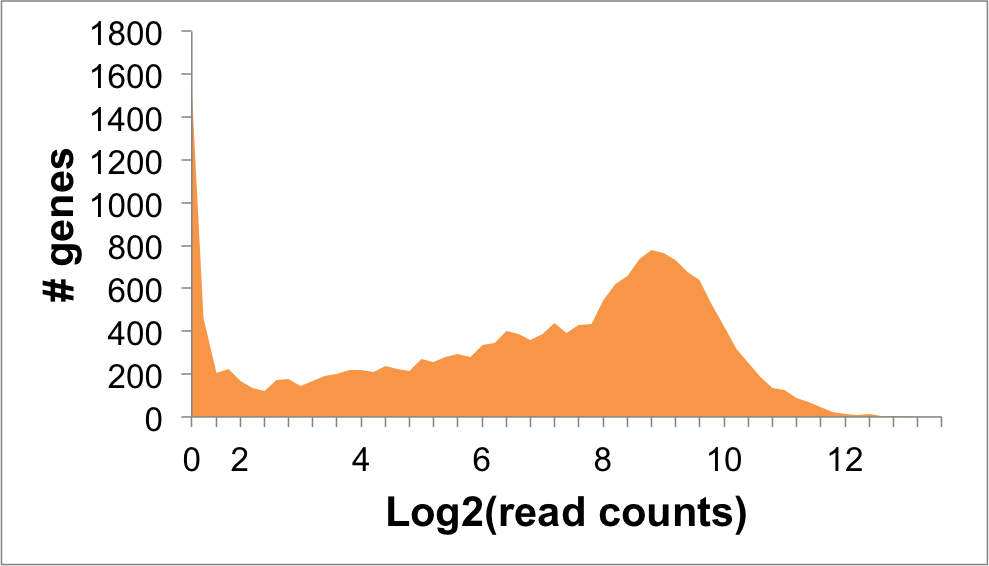
- Expression level (log2 read counts): 7.64
Expression Distribution
KDM1A Expression in NALM6 Cells: 7.64