CD81
Gene Information
- Official Symbol: CD81
- Official Name: CD81 molecule
- Aliases and Previous Symbols: N/A
- Entrez ID: 975
- UniProt: P60033
- Interactions: BioGRID
- PubMed articles: Open PubMed
- OMIM: Open OMIM
Function Summary
- Entrez Summary: The protein encoded by this gene is a member of the transmembrane 4 superfamily, also known as the tetraspanin family. Most of these members are cell-surface proteins that are characterized by the presence of four hydrophobic domains. The proteins mediate signal transduction events that play a role in the regulation of cell development, activation, growth and motility. This encoded protein is a cell surface glycoprotein that is known to complex with integrins. This protein appears to promote muscle cell fusion and support myotube maintenance. Also it may be involved in signal transduction. This gene is localized in the tumor-suppressor gene region and thus it is a candidate gene for malignancies. Two transcript variants encoding different isoforms have been found for this gene. [provided by RefSeq, Jul 2014].
- UniProt Summary: May play an important role in the regulation of lymphoma cell growth. Interacts with a 16-kDa Leu-13 protein to form a complex possibly involved in signal transduction. May act as the viral receptor for HCV.
Pfam Domains GO Terms
Pfam Domains
| Tetraspannin |
GO Terms
| CD4-positive, alpha-beta T cell costimulation |
| positive regulation of 1-phosphatidylinositol 4-kinase activity |
| macrophage fusion |
| regulation of 1-phosphatidylinositol 4-kinase activity |
| positive regulation of adaptive immune memory response |
| positive regulation of T cell activation via T cell receptor contact with antigen bound to MHC molecule on antigen presenting cell |
| regulation of adaptive immune memory response |
| positive regulation of CD4-positive, alpha-beta T cell proliferation |
| receptor-mediated virion attachment to host cell |
| positive regulation of protein catabolic process in the vacuole |
| myoblast fusion involved in skeletal muscle regeneration |
| regulation of T cell activation via T cell receptor contact with antigen bound to MHC molecule on antigen presenting cell |
| positive regulation of receptor clustering |
| osteoclast fusion |
| MHC class II protein binding |
| positive regulation of T-helper 2 cell cytokine production |
| transferrin receptor binding |
| myotube differentiation involved in skeletal muscle regeneration |
| multinuclear osteoclast differentiation |
| positive regulation of B cell receptor signaling pathway |
| virion attachment to host cell |
| tetraspanin-enriched microdomain |
| regulation of protein catabolic process in the vacuole |
| regulation of T-helper 2 cell cytokine production |
| regulation of CD4-positive, alpha-beta T cell proliferation |
| adhesion of symbiont to host cell |
| positive regulation of inflammatory response to antigenic stimulus |
| regulation of receptor clustering |
| adhesion of symbiont to host |
| immunological synapse formation |
| positive regulation of T cell receptor signaling pathway |
| positive regulation of protein exit from endoplasmic reticulum |
| MHC class II protein complex binding |
| positive regulation of type 2 immune response |
| cellular response to low-density lipoprotein particle stimulus |
| positive regulation of T cell cytokine production |
| positive regulation of alpha-beta T cell proliferation |
| positive regulation of antigen receptor-mediated signaling pathway |
| myoblast fusion |
| regulation of inflammatory response to antigenic stimulus |
| regulation of B cell receptor signaling pathway |
| regulation of protein exit from endoplasmic reticulum |
| response to lipoprotein particle |
| cellular response to lipoprotein particle stimulus |
| regulation of alpha-beta T cell proliferation |
| regulation of type 2 immune response |
| regulation of T cell cytokine production |
| positive regulation of CD4-positive, alpha-beta T cell activation |
| skeletal muscle tissue regeneration |
| cell-cell fusion |
| immunological synapse |
| syncytium formation by plasma membrane fusion |
| positive regulation of lipid kinase activity |
| regulation of macrophage migration |
| protein localization to lysosome |
| syncytium formation |
| regulation of T cell receptor signaling pathway |
| positive regulation of B cell proliferation |
| osteoclast differentiation |
| positive regulation of T cell mediated immunity |
| positive regulation of phospholipid metabolic process |
| cholesterol binding |
| T cell costimulation |
| positive regulation of cytokine production involved in immune response |
| lymphocyte costimulation |
| myotube differentiation |
| positive regulation of alpha-beta T cell activation |
| regulation of CD4-positive, alpha-beta T cell activation |
| regulation of B cell proliferation |
| receptor internalization |
| protein localization to vacuole |
| regulation of lipid kinase activity |
| regulation of antigen receptor-mediated signaling pathway |
| tissue regeneration |
| regulation of T cell mediated immunity |
| cell-cell recognition |
| virus receptor activity |
| regulation of cytokine production involved in immune response |
| regulation of phospholipid metabolic process |
| regulation of alpha-beta T cell activation |
| viral entry into host cell |
| positive regulation of T cell proliferation |
| positive regulation of production of molecular mediator of immune response |
| positive regulation of adaptive immune response based on somatic recombination of immune receptors built from immunoglobulin superfamily domains |
| entry into host |
| entry into host cell |
| positive regulation of adaptive immune response |
| positive regulation of lymphocyte mediated immunity |
| receptor metabolic process |
| myeloid leukocyte differentiation |
| regulation of complement activation |
| positive regulation of protein localization to membrane |
| positive regulation of lymphocyte proliferation |
| positive regulation of mononuclear cell proliferation |
| integrin binding |
| positive regulation of leukocyte mediated immunity |
| regulation of humoral immune response |
| positive regulation of leukocyte proliferation |
| positive regulation of inflammatory response |
| regulation of production of molecular mediator of immune response |
| positive regulation of cellular protein catabolic process |
| positive regulation of lipid metabolic process |
| vesicle |
| regulation of adaptive immune response based on somatic recombination of immune receptors built from immunoglobulin superfamily domains |
| regulation of lymphocyte mediated immunity |
| positive regulation of intracellular protein transport |
| activation of MAPK activity |
| regeneration |
| regulation of T cell proliferation |
| interaction with host |
| regulation of adaptive immune response |
| positive regulation of B cell activation |
| humoral immune response mediated by circulating immunoglobulin |
| protein localization to plasma membrane |
| regulation of protein localization to membrane |
| positive regulation of peptidyl-tyrosine phosphorylation |
| regulation of leukocyte migration |
| basolateral plasma membrane |
| striated muscle cell differentiation |
| viral life cycle |
| positive regulation of T cell activation |
| regulation of leukocyte mediated immunity |
| immunoglobulin mediated immune response |
| positive regulation of intracellular transport |
| regulation of B cell activation |
| B cell mediated immunity |
| regulation of lymphocyte proliferation |
| regulation of mononuclear cell proliferation |
| positive regulation of leukocyte cell-cell adhesion |
| positive regulation of protein catabolic process |
| positive regulation of immune effector process |
| myeloid cell differentiation |
| regulation of leukocyte proliferation |
| protein localization to cell periphery |
| regulation of intracellular protein transport |
| receptor-mediated endocytosis |
| cell recognition |
| muscle cell differentiation |
| regulation of cellular protein catabolic process |
| regulation of peptidyl-tyrosine phosphorylation |
| positive regulation of cell-cell adhesion |
| positive regulation of MAP kinase activity |
| lymphocyte mediated immunity |
| adaptive immune response based on somatic recombination of immune receptors built from immunoglobulin superfamily domains |
| regulation of protein stability |
| regulation of leukocyte cell-cell adhesion |
| regulation of T cell activation |
| positive regulation of cellular protein localization |
| activation of protein kinase activity |
| leukocyte differentiation |
| regulation of inflammatory response |
| positive regulation of protein serine/threonine kinase activity |
| regulation of MAP kinase activity |
| humoral immune response |
| regulation of intracellular transport |
| positive regulation of lymphocyte activation |
| positive regulation of cellular catabolic process |
| lymphocyte activation |
| regulation of protein catabolic process |
| developmental growth |
| growth |
| regulation of lipid metabolic process |
| regulation of cell-cell adhesion |
| positive regulation of cell adhesion |
| positive regulation of leukocyte activation |
| focal adhesion |
| positive regulation of cell activation |
| positive regulation of protein transport |
| positive regulation of catabolic process |
| positive regulation of cytokine production |
| positive regulation of establishment of protein localization |
| regulation of immune effector process |
| positive regulation of defense response |
| muscle structure development |
| wound healing |
| protein localization to membrane |
| regulation of lymphocyte activation |
| regulation of protein serine/threonine kinase activity |
| positive regulation of protein kinase activity |
| regulation of cellular protein localization |
| positive regulation of MAPK cascade |
| endocytosis |
| hemopoiesis |
| response to wounding |
| positive regulation of kinase activity |
| positive regulation of response to external stimulus |
| regulation of leukocyte activation |
| hematopoietic or lymphoid organ development |
| adaptive immune response |
| regulation of cell activation |
| immune system development |
| positive regulation of transferase activity |
| import into cell |
| regulation of cell adhesion |
| regulation of cytokine production |
| viral process |
| regulation of protein transport |
| protein localization to organelle |
| regulation of peptide transport |
| regulation of establishment of protein localization |
| regulation of MAPK cascade |
| regulation of defense response |
| leukocyte mediated immunity |
| symbiotic process |
| regulation of protein kinase activity |
| interspecies interaction between organisms |
| regulation of cellular catabolic process |
| regulation of cell migration |
| positive regulation of immune response |
| regulation of kinase activity |
| anatomical structure formation involved in morphogenesis |
| regulation of cell motility |
| positive regulation of cell population proliferation |
| regulation of cellular localization |
| leukocyte activation |
| biological adhesion |
| regulation of transferase activity |
| regulation of locomotion |
| positive regulation of transport |
| regulation of catabolic process |
| regulation of cellular component movement |
| response to organonitrogen compound |
| positive regulation of protein phosphorylation |
| positive regulation of intracellular signal transduction |
| regulation of protein localization |
| positive regulation of phosphorylation |
| cell activation |
| response to nitrogen compound |
| immune effector process |
| regulation of response to external stimulus |
| positive regulation of phosphorus metabolic process |
| positive regulation of phosphate metabolic process |
| positive regulation of immune system process |
| regulation of immune response |
| positive regulation of transcription by RNA polymerase II |
| positive regulation of protein modification process |
| integral component of plasma membrane |
| positive regulation of catalytic activity |
| regulation of protein phosphorylation |
| response to endogenous stimulus |
| regulation of response to stress |
| positive regulation of transcription, DNA-templated |
| cellular protein localization |
| regulation of phosphorylation |
| cellular macromolecule localization |
| positive regulation of cellular protein metabolic process |
| regulation of cell population proliferation |
| positive regulation of nucleic acid-templated transcription |
| positive regulation of RNA biosynthetic process |
| regulation of immune system process |
| positive regulation of signal transduction |
| positive regulation of protein metabolic process |
| positive regulation of RNA metabolic process |
| positive regulation of multicellular organismal process |
| tissue development |
| positive regulation of molecular function |
| regulation of phosphate metabolic process |
| regulation of phosphorus metabolic process |
| positive regulation of cell communication |
| positive regulation of signaling |
| regulation of intracellular signal transduction |
| regulation of protein modification process |
| regulation of transport |
| immune response |
| positive regulation of nucleobase-containing compound metabolic process |
| positive regulation of macromolecule biosynthetic process |
| vesicle-mediated transport |
| positive regulation of cellular biosynthetic process |
| positive regulation of gene expression |
| membrane |
| positive regulation of biosynthetic process |
CRISPR Data
Compound Hit Most Correlated Genes in Chemogenomics Tissues where Essential in the Avana Dataset (DepMap 20Q1)
Compound Hit
Tissues where Essential in the Avana Dataset (DepMap 20Q1)
Global Fraction of Cell Lines Where Essential: 0/739
| Tissue | Fraction Of Cell Lines Where Essential |
|---|---|
| 1290807.0 | 0/1 |
| 909776.0 | 0/1 |
| bile duct | 0/28 |
| blood | 0/28 |
| bone | 0/26 |
| breast | 0/33 |
| central nervous system | 0/56 |
| cervix | 0/4 |
| colorectal | 0/17 |
| esophagus | 0/13 |
| fibroblast | 0/1 |
| gastric | 0/16 |
| kidney | 0/21 |
| liver | 0/20 |
| lung | 0/75 |
| lymphocyte | 0/16 |
| ovary | 0/26 |
| pancreas | 0/24 |
| peripheral nervous system | 0/16 |
| plasma cell | 0/15 |
| prostate | 0/1 |
| skin | 0/24 |
| soft tissue | 0/9 |
| thyroid | 0/2 |
| upper aerodigestive | 0/22 |
| urinary tract | 0/29 |
| uterus | 0/5 |
Essentiality in NALM6
- Essentiality Rank: 4704
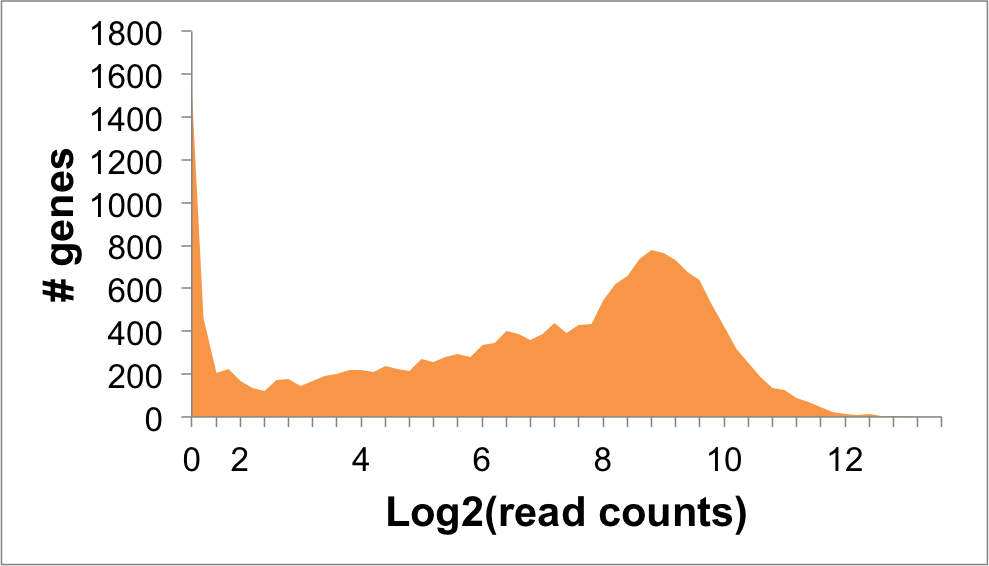
- Expression level (log2 read counts): 8.73
Expression Distribution
CD81 Expression in NALM6 Cells: 8.73