CREB1
Gene Information
- Official Symbol: CREB1
- Official Name: cAMP responsive element binding protein 1
- Aliases and Previous Symbols: N/A
- Entrez ID: 1385
- UniProt: P16220
- Interactions: BioGRID
- PubMed articles: Open PubMed
- OMIM: Open OMIM
Function Summary
- Entrez Summary: This gene encodes a transcription factor that is a member of the leucine zipper family of DNA binding proteins. This protein binds as a homodimer to the cAMP-responsive element, an octameric palindrome. The protein is phosphorylated by several protein kinases, and induces transcription of genes in response to hormonal stimulation of the cAMP pathway. Alternate splicing of this gene results in several transcript variants encoding different isoforms. [provided by RefSeq, Mar 2016].
- UniProt Summary: Phosphorylation-dependent transcription factor that stimulates transcription upon binding to the DNA cAMP response element (CRE), a sequence present in many viral and cellular promoters. Transcription activation is enhanced by the TORC coactivators which act independently of Ser-133 phosphorylation. Involved in different cellular processes including the synchronization of circadian rhythmicity and the differentiation of adipose cells.
Pfam Domains GO Terms
Pfam Domains
| pKID |
| bZIP 1 |
| bZIP 2 |
GO Terms
| chemotaxis to arachidonic acid |
| positive regulation of transforming growth factor beta3 production |
| ATF4-CREB1 transcription factor complex |
| RNA polymerase II transcription coactivator binding |
| regulation of transforming growth factor beta3 production |
| type I pneumocyte differentiation |
| lung saccule development |
| arrestin family protein binding |
| cellular response to insulin-like growth factor stimulus |
| negative regulation of transcription by competitive promoter binding |
| positive regulation of RNA polymerase II transcriptional preinitiation complex assembly |
| response to L-glutamate |
| regulation of RNA polymerase II transcriptional preinitiation complex assembly |
| cAMP response element binding |
| cellular response to hepatocyte growth factor stimulus |
| response to hepatocyte growth factor |
| positive regulation of transcription initiation from RNA polymerase II promoter |
| positive regulation of transforming growth factor beta production |
| cellular response to platelet-derived growth factor stimulus |
| lung epithelial cell differentiation |
| positive regulation of long-term synaptic potentiation |
| response to platelet-derived growth factor |
| lung cell differentiation |
| cellular response to zinc ion |
| positive regulation of osteoclast differentiation |
| positive regulation of DNA-templated transcription, initiation |
| regulation of transcription initiation from RNA polymerase II promoter |
| histone acetyltransferase binding |
| regulation of glial cell proliferation |
| nuclear euchromatin |
| lung epithelium development |
| positive regulation of multicellular organism growth |
| secretory granule organization |
| regulation of transforming growth factor beta production |
| regulation of DNA-templated transcription, initiation |
| response to glucagon |
| lung alveolus development |
| Hsp70 protein binding |
| pituitary gland development |
| regulation of long-term synaptic potentiation |
| positive regulation of cardiac muscle tissue development |
| lactation |
| visual learning |
| cellular response to nerve growth factor stimulus |
| response to nicotine |
| response to nerve growth factor |
| visual behavior |
| RNA polymerase II activating transcription factor binding |
| response to zinc ion |
| cellular response to fatty acid |
| positive regulation of myeloid leukocyte differentiation |
| positive regulation of fat cell differentiation |
| response to activity |
| regulation of osteoclast differentiation |
| regulation of multicellular organism growth |
| positive regulation of striated muscle tissue development |
| positive regulation of muscle organ development |
| cellular response to retinoic acid |
| positive regulation of muscle tissue development |
| body fluid secretion |
| diencephalon development |
| associative learning |
| regulation of cardiac muscle tissue development |
| positive regulation of lipid biosynthetic process |
| regulation of fibroblast proliferation |
| transcription coregulator activity |
| response to fatty acid |
| positive regulation of myeloid cell differentiation |
| cellular response to leukemia inhibitory factor |
| response to leukemia inhibitory factor |
| RNA polymerase II distal enhancer sequence-specific DNA binding |
| transforming growth factor beta receptor signaling pathway |
| response to retinoic acid |
| response to amino acid |
| regulation of circadian rhythm |
| regulation of gliogenesis |
| regulation of myeloid leukocyte differentiation |
| memory |
| endocrine system development |
| regulation of fat cell differentiation |
| mammary gland development |
| positive regulation of hormone secretion |
| regulation of striated muscle tissue development |
| regulation of muscle tissue development |
| regulation of muscle organ development |
| circadian rhythm |
| positive regulation of lipid metabolic process |
| learning |
| positive regulation of leukocyte differentiation |
| positive regulation of synaptic transmission |
| cellular response to transforming growth factor beta stimulus |
| response to transforming growth factor beta |
| lung development |
| positive regulation of developmental growth |
| respiratory tube development |
| protein stabilization |
| regulation of cell size |
| regulation of lipid biosynthetic process |
| positive regulation of hemopoiesis |
| regulation of synaptic plasticity |
| cellular response to metal ion |
| respiratory system development |
| transmembrane receptor protein serine/threonine kinase signaling pathway |
| transcription factor complex |
| negative regulation of neuron death |
| cellular response to acid chemical |
| response to nutrient |
| cellular response to inorganic substance |
| regulation of myeloid cell differentiation |
| positive regulation of protein complex assembly |
| learning or memory |
| positive regulation of growth |
| cellular response to peptide hormone stimulus |
| regulation of hormone secretion |
| regulation of leukocyte differentiation |
| rhythmic process |
| aging |
| regulation of protein stability |
| axon |
| cognition |
| vesicle organization |
| response to light stimulus |
| regulation of neuron death |
| cellular response to peptide |
| regulation of developmental growth |
| response to hypoxia |
| response to acid chemical |
| enzyme binding |
| response to decreased oxygen levels |
| mitochondrial matrix |
| response to metal ion |
| axonogenesis |
| regulation of cellular component size |
| response to oxygen levels |
| forebrain development |
| response to peptide hormone |
| regulation of lipid metabolic process |
| positive regulation of secretion by cell |
| axon development |
| gland development |
| endomembrane system organization |
| cell morphogenesis involved in neuron differentiation |
| positive regulation of secretion |
| response to radiation |
| modulation of chemical synaptic transmission |
| regulation of trans-synaptic signaling |
| DNA-binding transcription activator activity, RNA polymerase II-specific |
| positive regulation of cytokine production |
| regulation of hemopoiesis |
| regulation of protein complex assembly |
| response to peptide |
| neuron projection morphogenesis |
| transcription by RNA polymerase II |
| plasma membrane bounded cell projection morphogenesis |
| cell projection morphogenesis |
| regulation of body fluid levels |
| response to nutrient levels |
| cellular response to growth factor stimulus |
| RNA polymerase II proximal promoter sequence-specific DNA binding |
| response to toxic substance |
| cell part morphogenesis |
| regulation of anatomical structure size |
| cellular response to lipid |
| positive regulation of cellular component biogenesis |
| response to growth factor |
| response to extracellular stimulus |
| response to inorganic substance |
| regulation of hormone levels |
| chemotaxis |
| taxis |
| cell morphogenesis involved in differentiation |
| behavior |
| cellular response to organonitrogen compound |
| cellular response to hormone stimulus |
| transcription, DNA-templated |
| nucleic acid-templated transcription |
| positive regulation of apoptotic process |
| positive regulation of programmed cell death |
| RNA biosynthetic process |
| cellular response to nitrogen compound |
| neuron projection development |
| regulation of growth |
| DNA-binding transcription factor activity |
| epithelial cell differentiation |
| regulation of cytokine production |
| positive regulation of cell death |
| viral process |
| enzyme linked receptor protein signaling pathway |
| cell morphogenesis |
| brain development |
| regulation of secretion by cell |
| head development |
| symbiotic process |
| regulation of secretion |
| neuron development |
| regulation of neurogenesis |
| interspecies interaction between organisms |
| cellular component morphogenesis |
| tube development |
| response to lipid |
| response to hormone |
| regulation of nervous system development |
| regulation of cell development |
| regulation of cellular component biogenesis |
| positive regulation of cell differentiation |
| protein phosphorylation |
| central nervous system development |
| positive regulation of transport |
| negative regulation of cell death |
| response to organonitrogen compound |
| cellular response to cytokine stimulus |
| neuron differentiation |
| response to drug |
| cellular response to oxygen-containing compound |
| identical protein binding |
| response to nitrogen compound |
| nucleobase-containing compound biosynthetic process |
| response to cytokine |
| epithelium development |
| secretion |
| plasma membrane bounded cell projection organization |
| positive regulation of immune system process |
| response to abiotic stimulus |
| cell projection organization |
| heterocycle biosynthetic process |
| aromatic compound biosynthetic process |
| negative regulation of transcription, DNA-templated |
| positive regulation of cellular component organization |
| positive regulation of transcription by RNA polymerase II |
| cellular response to endogenous stimulus |
| negative regulation of nucleic acid-templated transcription |
| negative regulation of RNA biosynthetic process |
| phosphorylation |
| organic cyclic compound biosynthetic process |
| locomotion |
| negative regulation of RNA metabolic process |
| positive regulation of developmental process |
| nervous system process |
| negative regulation of cellular macromolecule biosynthetic process |
| negative regulation of nucleobase-containing compound metabolic process |
| negative regulation of macromolecule biosynthetic process |
| response to endogenous stimulus |
| negative regulation of cellular biosynthetic process |
| generation of neurons |
| regulation of apoptotic process |
| positive regulation of transcription, DNA-templated |
| negative regulation of biosynthetic process |
| response to oxygen-containing compound |
| DNA-binding transcription factor activity, RNA polymerase II-specific |
| regulation of programmed cell death |
| regulation of cell population proliferation |
| neurogenesis |
| cellular nitrogen compound biosynthetic process |
| positive regulation of nucleic acid-templated transcription |
| positive regulation of RNA biosynthetic process |
| cell development |
| regulation of immune system process |
| RNA metabolic process |
| regulation of cell death |
| cellular macromolecule biosynthetic process |
| negative regulation of gene expression |
| positive regulation of RNA metabolic process |
| positive regulation of multicellular organismal process |
| tissue development |
| macromolecule biosynthetic process |
| regulation of cell differentiation |
| positive regulation of cell communication |
| positive regulation of signaling |
| regulation of transport |
| positive regulation of nucleobase-containing compound metabolic process |
| positive regulation of macromolecule biosynthetic process |
| system process |
| positive regulation of cellular biosynthetic process |
| positive regulation of gene expression |
| gene expression |
| positive regulation of biosynthetic process |
CRISPR Data
Compound Hit Most Correlated Genes in Chemogenomics Tissues where Essential in the Avana Dataset (DepMap 20Q1)
Compound Hit
Tissues where Essential in the Avana Dataset (DepMap 20Q1)
Global Fraction of Cell Lines Where Essential: 0/739
| Tissue | Fraction Of Cell Lines Where Essential |
|---|---|
| 1290807.0 | 0/1 |
| 909776.0 | 0/1 |
| bile duct | 0/28 |
| blood | 0/28 |
| bone | 0/26 |
| breast | 0/33 |
| central nervous system | 0/56 |
| cervix | 0/4 |
| colorectal | 0/17 |
| esophagus | 0/13 |
| fibroblast | 0/1 |
| gastric | 0/16 |
| kidney | 0/21 |
| liver | 0/20 |
| lung | 0/75 |
| lymphocyte | 0/16 |
| ovary | 0/26 |
| pancreas | 0/24 |
| peripheral nervous system | 0/16 |
| plasma cell | 0/15 |
| prostate | 0/1 |
| skin | 0/24 |
| soft tissue | 0/9 |
| thyroid | 0/2 |
| upper aerodigestive | 0/22 |
| urinary tract | 0/29 |
| uterus | 0/5 |
Essentiality in NALM6
- Essentiality Rank: 3718
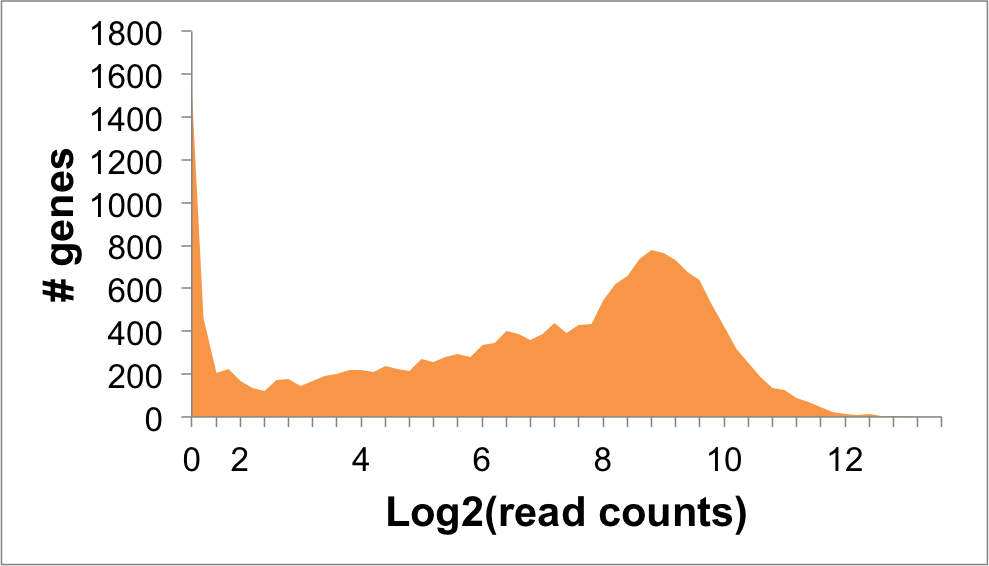
- Expression level (log2 read counts): 6.27
Expression Distribution
CREB1 Expression in NALM6 Cells: 6.27