LEF1
Gene Information
- Official Symbol: LEF1
- Official Name: lymphoid enhancer binding factor 1
- Aliases and Previous Symbols: N/A
- Entrez ID: 51176
- UniProt: Q9UJU2
- Interactions: BioGRID
- PubMed articles: Open PubMed
- OMIM: Open OMIM
Function Summary
- Entrez Summary: This gene encodes a transcription factor belonging to a family of proteins that share homology with the high mobility group protein-1. The protein encoded by this gene can bind to a functionally important site in the T-cell receptor-alpha enhancer, thereby conferring maximal enhancer activity. This transcription factor is involved in the Wnt signaling pathway, and it may function in hair cell differentiation and follicle morphogenesis. Mutations in this gene have been found in somatic sebaceous tumors. This gene has also been linked to other cancers, including androgen-independent prostate cancer. Alternative splicing results in multiple transcript variants. [provided by RefSeq, Oct 2009].
- UniProt Summary: Participates in the Wnt signaling pathway. Activates transcription of target genes in the presence of CTNNB1 and EP300. May play a role in hair cell differentiation and follicle morphogenesis. TLE1, TLE2, TLE3 and TLE4 repress transactivation mediated by LEF1 and CTNNB1. Regulates T-cell receptor alpha enhancer function. Binds DNA in a sequence-specific manner. PIAG antagonizes both Wnt-dependent and Wnt-independent activation by LEF1 (By similarity). Isoform 3 lacks the CTNNB1 interaction domain and may be an antagonist for Wnt signaling. Isoform 5 transcriptionally activates the fibronectin promoter, binds to and represses transcription from the E-cadherin promoter in a CTNNB1- independent manner, and is involved in reducing cellular aggregation and increasing cell migration of pancreatic cancer cells. Isoform 1 transcriptionally activates MYC and CCND1 expression and enhances proliferation of pancreatic tumor cells. {ECO:0000250, ECO:0000269|PubMed:11266540, ECO:0000269|PubMed:19653274, ECO:0000269|PubMed:2010090}.
Pfam Domains GO Terms
Pfam Domains
| HMG box |
| CTNNB1 binding |
GO Terms
| trachea submucosa development |
| trachea gland development |
| regulation of estrogen receptor binding |
| negative regulation of estrogen receptor binding |
| apoptotic process involved in blood vessel morphogenesis |
| formation of radial glial scaffolds |
| odontoblast differentiation |
| estrogen receptor activity |
| negative regulation of interleukin-4 production |
| regulation of apoptotic process in bone marrow cell |
| somatic recombination of T cell receptor gene segments |
| somatic diversification of T cell receptor genes |
| eye pigmentation |
| T cell receptor V(D)J recombination |
| negative regulation of apoptotic process in bone marrow cell |
| neutrophil differentiation |
| forebrain radial glial cell differentiation |
| negative regulation of interleukin-5 production |
| chorio-allantoic fusion |
| negative regulation of interleukin-13 production |
| paraxial mesoderm formation |
| positive regulation of cell proliferation in bone marrow |
| regulation of cell proliferation in bone marrow |
| positive regulation of granulocyte differentiation |
| T-helper 1 cell differentiation |
| hindbrain radial glia guided cell migration |
| forebrain neuroblast division |
| beta-catenin-TCF complex |
| armadillo repeat domain binding |
| anatomical structure regression |
| paraxial mesoderm morphogenesis |
| negative regulation of receptor binding |
| gamma-catenin binding |
| radial glial cell differentiation |
| cell migration in hindbrain |
| neuronal stem cell division |
| C2H2 zinc finger domain binding |
| enhancer binding |
| regulation of granulocyte differentiation |
| neuroblast division |
| dentate gyrus development |
| apoptotic process involved in morphogenesis |
| positive regulation by host of viral transcription |
| V(D)J recombination |
| paraxial mesoderm development |
| T-helper 1 type immune response |
| trachea development |
| granulocyte differentiation |
| DNA binding, bending |
| tongue development |
| labyrinthine layer morphogenesis |
| regulation of interleukin-5 production |
| regulation of interleukin-13 production |
| somatic stem cell division |
| secondary palate development |
| regulation of receptor binding |
| cysteine-type endopeptidase inhibitor activity involved in apoptotic process |
| embryonic placenta morphogenesis |
| T-helper cell differentiation |
| regulation of interleukin-4 production |
| apoptotic process involved in development |
| CD4-positive, alpha-beta T cell differentiation involved in immune response |
| alpha-beta T cell differentiation involved in immune response |
| alpha-beta T cell activation involved in immune response |
| branching involved in blood vessel morphogenesis |
| cellular response to interleukin-4 |
| beta-catenin-TCF complex assembly |
| neuroblast proliferation |
| response to interleukin-4 |
| face morphogenesis |
| T cell differentiation involved in immune response |
| stem cell division |
| CD4-positive, alpha-beta T cell differentiation |
| somatic diversification of immune receptors via germline recombination within a single locus |
| somatic cell DNA recombination |
| Wnt signaling pathway, calcium modulating pathway |
| head morphogenesis |
| CD4-positive, alpha-beta T cell activation |
| developmental pigmentation |
| positive regulation of viral transcription |
| B cell proliferation |
| estrogen receptor binding |
| protein-DNA complex |
| neuroepithelial cell differentiation |
| body morphogenesis |
| labyrinthine layer development |
| histone H3 acetylation |
| positive regulation of epithelial to mesenchymal transition |
| negative regulation of striated muscle tissue development |
| face development |
| negative regulation of muscle organ development |
| somatic diversification of immune receptors |
| mesenchyme morphogenesis |
| alpha-beta T cell differentiation |
| negative regulation of muscle tissue development |
| stem cell proliferation |
| positive regulation of myeloid leukocyte differentiation |
| histone H4 acetylation |
| negative regulation of DNA binding |
| sprouting angiogenesis |
| alpha-beta T cell activation |
| regulation of viral transcription |
| T cell activation involved in immune response |
| somitogenesis |
| forebrain generation of neurons |
| mesoderm formation |
| sensory perception of taste |
| mesoderm morphogenesis |
| epithelial to mesenchymal transition |
| modification by host of symbiont morphology or physiology |
| neural precursor cell proliferation |
| interaction with symbiont |
| hippocampus development |
| somite development |
| negative regulation of cysteine-type endopeptidase activity involved in apoptotic process |
| odontogenesis of dentin-containing tooth |
| lymphocyte proliferation |
| beta-catenin binding |
| regulation of epithelial to mesenchymal transition |
| mononuclear cell proliferation |
| embryonic placenta development |
| BMP signaling pathway |
| roof of mouth development |
| canonical Wnt signaling pathway |
| negative regulation of cysteine-type endopeptidase activity |
| positive regulation of myeloid cell differentiation |
| pigmentation |
| columnar/cuboidal epithelial cell differentiation |
| segmentation |
| leukocyte proliferation |
| negative regulation of protein binding |
| response to BMP |
| cellular response to BMP stimulus |
| positive regulation of viral process |
| limbic system development |
| lymphocyte activation involved in immune response |
| modification of morphology or physiology of other organism involved in symbiotic interaction |
| myeloid leukocyte differentiation |
| histone deacetylase binding |
| formation of primary germ layer |
| histone acetylation |
| regulation of myeloid leukocyte differentiation |
| internal peptidyl-lysine acetylation |
| steroid hormone mediated signaling pathway |
| odontogenesis |
| peptidyl-lysine acetylation |
| internal protein amino acid acetylation |
| mesoderm development |
| embryonic appendage morphogenesis |
| embryonic limb morphogenesis |
| regulation of DNA binding |
| osteoblast differentiation |
| mammary gland development |
| histone binding |
| branching morphogenesis of an epithelial tube |
| regulation of striated muscle tissue development |
| non-canonical Wnt signaling pathway |
| T cell differentiation |
| regulation of muscle tissue development |
| regulation of muscle organ development |
| protein acetylation |
| positive regulation of leukocyte differentiation |
| limb morphogenesis |
| appendage morphogenesis |
| hindbrain development |
| placenta development |
| B cell activation |
| modification of morphology or physiology of other organism |
| mesenchymal cell differentiation |
| morphogenesis of a branching epithelium |
| gastrulation |
| positive regulation of cell growth |
| morphogenesis of a branching structure |
| negative regulation of binding |
| glial cell differentiation |
| hormone-mediated signaling pathway |
| pallium development |
| limb development |
| appendage development |
| protein acylation |
| cellular response to steroid hormone stimulus |
| positive regulation of hemopoiesis |
| respiratory system development |
| transmembrane receptor protein serine/threonine kinase signaling pathway |
| transcription factor complex |
| regulation of viral process |
| cell chemotaxis |
| gliogenesis |
| regulation of cysteine-type endopeptidase activity involved in apoptotic process |
| anterior/posterior pattern specification |
| transcription regulatory region DNA binding |
| regulation of protein binding |
| regulation of symbiosis, encompassing mutualism through parasitism |
| myeloid cell differentiation |
| mesenchyme development |
| DNA recombination |
| regulation of myeloid cell differentiation |
| T cell activation |
| lymphocyte differentiation |
| regulation of cysteine-type endopeptidase activity |
| negative regulation of endopeptidase activity |
| negative regulation of peptidase activity |
| telencephalon development |
| positive regulation of growth |
| ossification |
| regulation of leukocyte differentiation |
| negative regulation of cytokine production |
| adaptive immune response based on somatic recombination of immune receptors built from immunoglobulin superfamily domains |
| epithelial tube morphogenesis |
| RNA polymerase II regulatory region sequence-specific DNA binding |
| peptidyl-lysine modification |
| angiogenesis |
| response to steroid hormone |
| leukocyte differentiation |
| regionalization |
| negative regulation of proteolysis |
| cell-cell signaling by wnt |
| Wnt signaling pathway |
| regulation of Wnt signaling pathway |
| histone modification |
| covalent chromatin modification |
| regulation of binding |
| in utero embryonic development |
| lymphocyte activation |
| forebrain development |
| chromatin binding |
| regulation of cell-cell adhesion |
| blood vessel morphogenesis |
| gland development |
| regulation of endopeptidase activity |
| regulation of cell growth |
| sequence-specific DNA binding |
| reproductive structure development |
| cell surface receptor signaling pathway involved in cell-cell signaling |
| reproductive system development |
| morphogenesis of an epithelium |
| embryonic organ development |
| pattern specification process |
| regulation of peptidase activity |
| DNA-binding transcription activator activity, RNA polymerase II-specific |
| regulation of hemopoiesis |
| negative regulation of hydrolase activity |
| transcription by RNA polymerase II |
| blood vessel development |
| cell division |
| cellular response to growth factor stimulus |
| positive regulation of cell migration |
| RNA polymerase II proximal promoter sequence-specific DNA binding |
| cell-cell adhesion |
| positive regulation of multi-organism process |
| vasculature development |
| cardiovascular system development |
| cellular response to lipid |
| positive regulation of cell motility |
| response to growth factor |
| sensory perception of chemical stimulus |
| positive regulation of cellular component movement |
| cellular response to organic cyclic compound |
| sensory organ development |
| chemotaxis |
| positive regulation of locomotion |
| taxis |
| cell population proliferation |
| cell morphogenesis involved in differentiation |
| hemopoiesis |
| tissue morphogenesis |
| embryonic morphogenesis |
| cellular response to hormone stimulus |
| hematopoietic or lymphoid organ development |
| adaptive immune response |
| leukocyte activation involved in immune response |
| cell activation involved in immune response |
| chordate embryonic development |
| transcription, DNA-templated |
| nucleic acid-templated transcription |
| immune system development |
| embryo development ending in birth or egg hatching |
| RNA biosynthetic process |
| tube morphogenesis |
| developmental process involved in reproduction |
| regulation of growth |
| DNA-binding transcription factor activity |
| epithelial cell differentiation |
| regulation of cell adhesion |
| regulation of cytokine production |
| chromatin organization |
| enzyme linked receptor protein signaling pathway |
| cell morphogenesis |
| regulation of proteolysis |
| brain development |
| DNA metabolic process |
| regulation of multi-organism process |
| head development |
| symbiotic process |
| negative regulation of catalytic activity |
| interspecies interaction between organisms |
| cellular component morphogenesis |
| tube development |
| regulation of cell migration |
| response to lipid |
| negative regulation of transcription by RNA polymerase II |
| circulatory system development |
| peptidyl-amino acid modification |
| negative regulation of apoptotic process |
| anatomical structure formation involved in morphogenesis |
| negative regulation of programmed cell death |
| response to hormone |
| regulation of cell motility |
| positive regulation of cell population proliferation |
| response to organic cyclic compound |
| apoptotic process |
| leukocyte activation |
| cell adhesion |
| biological adhesion |
| negative regulation of developmental process |
| animal organ morphogenesis |
| cell migration |
| positive regulation of cell differentiation |
| sensory perception |
| embryo development |
| central nervous system development |
| regulation of locomotion |
| negative regulation of cell death |
| regulation of cellular component movement |
| cellular response to cytokine stimulus |
| negative regulation of cellular protein metabolic process |
| programmed cell death |
| chromosome organization |
| cell activation |
| localization of cell |
| cell motility |
| immune effector process |
| cell death |
| nucleobase-containing compound biosynthetic process |
| response to cytokine |
| negative regulation of protein metabolic process |
| epithelium development |
| cell-cell signaling |
| negative regulation of molecular function |
| positive regulation of immune system process |
| heterocycle biosynthetic process |
| aromatic compound biosynthetic process |
| negative regulation of transcription, DNA-templated |
| negative regulation of multicellular organismal process |
| positive regulation of transcription by RNA polymerase II |
| cellular response to endogenous stimulus |
| negative regulation of nucleic acid-templated transcription |
| negative regulation of RNA biosynthetic process |
| regulation of hydrolase activity |
| organic cyclic compound biosynthetic process |
| locomotion |
| negative regulation of RNA metabolic process |
| positive regulation of developmental process |
| nervous system process |
| negative regulation of cellular macromolecule biosynthetic process |
| reproductive process |
| reproduction |
| negative regulation of nucleobase-containing compound metabolic process |
| DNA binding |
| negative regulation of macromolecule biosynthetic process |
| response to endogenous stimulus |
| negative regulation of cellular biosynthetic process |
| generation of neurons |
| regulation of apoptotic process |
| positive regulation of transcription, DNA-templated |
| negative regulation of biosynthetic process |
| movement of cell or subcellular component |
| protein-containing complex assembly |
| DNA-binding transcription factor activity, RNA polymerase II-specific |
| regulation of programmed cell death |
| regulation of cell population proliferation |
| neurogenesis |
| cellular nitrogen compound biosynthetic process |
| positive regulation of nucleic acid-templated transcription |
| positive regulation of RNA biosynthetic process |
| cell development |
| regulation of immune system process |
| RNA metabolic process |
| regulation of cell death |
| cellular macromolecule biosynthetic process |
| negative regulation of gene expression |
| positive regulation of RNA metabolic process |
| positive regulation of multicellular organismal process |
| tissue development |
| macromolecule biosynthetic process |
| regulation of cell differentiation |
| protein-containing complex subunit organization |
| immune response |
| positive regulation of nucleobase-containing compound metabolic process |
| positive regulation of macromolecule biosynthetic process |
| system process |
| positive regulation of cellular biosynthetic process |
| positive regulation of gene expression |
| gene expression |
| positive regulation of biosynthetic process |
CRISPR Data
Compound Hit Most Correlated Genes in Chemogenomics Tissues where Essential in the Avana Dataset (DepMap 20Q1)
Compound Hit
Tissues where Essential in the Avana Dataset (DepMap 20Q1)
Global Fraction of Cell Lines Where Essential: 0/726
| Tissue | Fraction Of Cell Lines Where Essential |
|---|---|
| 1290807.0 | 0/1 |
| 909776.0 | 0/1 |
| bile duct | 0/28 |
| blood | 0/28 |
| bone | 0/25 |
| breast | 0/33 |
| central nervous system | 0/56 |
| cervix | 0/4 |
| colorectal | 0/17 |
| esophagus | 0/13 |
| fibroblast | 0/1 |
| gastric | 0/15 |
| kidney | 0/21 |
| liver | 0/20 |
| lung | 0/75 |
| lymphocyte | 0/14 |
| ovary | 0/26 |
| pancreas | 0/24 |
| peripheral nervous system | 0/16 |
| plasma cell | 0/15 |
| prostate | 0/1 |
| skin | 0/24 |
| soft tissue | 0/7 |
| thyroid | 0/2 |
| upper aerodigestive | 0/22 |
| urinary tract | 0/29 |
| uterus | 0/5 |
Essentiality in NALM6
- Essentiality Rank: 2952
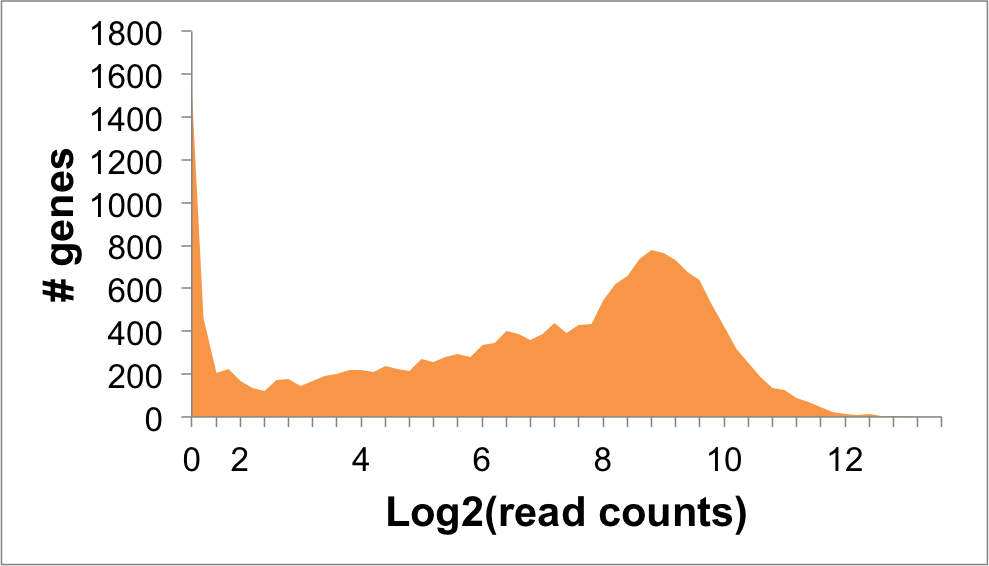
- Expression level (log2 read counts): 8.29
Expression Distribution
LEF1 Expression in NALM6 Cells: 8.29