SPI1
Gene Information
- Official Symbol: SPI1
- Official Name: Spi-1 proto-oncogene
- Aliases and Previous Symbols: N/A
- Entrez ID: 6688
- UniProt: P17947
- Interactions: BioGRID
- PubMed articles: Open PubMed
- OMIM: Open OMIM
Function Summary
- Entrez Summary: N/A
- UniProt Summary: Binds to the PU-box, a purine-rich DNA sequence (5'- GAGGAA-3') that can act as a lymphoid-specific enhancer. This protein is a transcriptional activator that may be specifically involved in the differentiation or activation of macrophages or B- cells. Also binds RNA and may modulate pre-mRNA splicing (By similarity). {ECO:0000250}.
Pfam Domains GO Terms
Pfam Domains
| Ets |
GO Terms
| hypermethylation of CpG island |
| DNA hypermethylation |
| apoptotic process involved in blood vessel morphogenesis |
| NFAT protein binding |
| negative regulation of histone H4 acetylation |
| negative regulation of MHC class II biosynthetic process |
| pri-miRNA transcription by RNA polymerase II |
| anatomical structure regression |
| lymphoid progenitor cell differentiation |
| regulation of histone H4 acetylation |
| regulation of MHC class II biosynthetic process |
| cellular response to ethanol |
| negative regulation of histone acetylation |
| apoptotic process involved in morphogenesis |
| interleukin-6-mediated signaling pathway |
| myeloid dendritic cell differentiation |
| negative regulation of peptidyl-lysine acetylation |
| granulocyte differentiation |
| negative regulation of protein acetylation |
| myeloid dendritic cell activation |
| macrophage differentiation |
| regulation of DNA methylation |
| apoptotic process involved in development |
| positive regulation of pri-miRNA transcription by RNA polymerase II |
| dendritic cell differentiation |
| cellular response to interleukin-6 |
| response to interleukin-6 |
| negative regulation of histone modification |
| regulation of pri-miRNA transcription by RNA polymerase II |
| regulation of erythrocyte differentiation |
| histone H3 acetylation |
| regulation of histone acetylation |
| negative regulation of chromatin organization |
| regulation of peptidyl-lysine acetylation |
| RNA polymerase II transcription factor binding |
| somatic stem cell population maintenance |
| regulation of protein acetylation |
| erythrocyte differentiation |
| negative regulation of gene expression, epigenetic |
| cellular response to alcohol |
| hematopoietic progenitor cell differentiation |
| erythrocyte homeostasis |
| RNA polymerase II distal enhancer sequence-specific DNA binding |
| myeloid cell homeostasis |
| myeloid leukocyte differentiation |
| histone acetylation |
| cellular response to antibiotic |
| internal peptidyl-lysine acetylation |
| peptidyl-lysine acetylation |
| internal protein amino acid acetylation |
| response to ethanol |
| negative regulation of chromosome organization |
| stem cell population maintenance |
| maintenance of cell number |
| protein acetylation |
| regulation of histone modification |
| protein acylation |
| regulation of chromatin organization |
| homeostasis of number of cells |
| transcription factor complex |
| cellular response to toxic substance |
| myeloid cell differentiation |
| regulation of myeloid cell differentiation |
| response to alcohol |
| regulation of gene expression, epigenetic |
| lymphocyte differentiation |
| nuclear chromatin |
| DNA-binding transcription repressor activity, RNA polymerase II-specific |
| response to antibiotic |
| peptidyl-lysine modification |
| leukocyte differentiation |
| transcription factor binding |
| regulation of chromosome organization |
| regulation of DNA metabolic process |
| histone modification |
| negative regulation of organelle organization |
| covalent chromatin modification |
| lymphocyte activation |
| cellular response to drug |
| blood vessel morphogenesis |
| DNA-binding transcription activator activity, RNA polymerase II-specific |
| regulation of hemopoiesis |
| transcription by RNA polymerase II |
| blood vessel development |
| RNA polymerase II proximal promoter sequence-specific DNA binding |
| response to toxic substance |
| vasculature development |
| cardiovascular system development |
| hemopoiesis |
| myeloid leukocyte activation |
| negative regulation of protein modification process |
| hematopoietic or lymphoid organ development |
| transcription, DNA-templated |
| nucleic acid-templated transcription |
| immune system development |
| RNA biosynthetic process |
| tube morphogenesis |
| cytokine-mediated signaling pathway |
| DNA-binding transcription factor activity |
| chromatin organization |
| negative regulation of cellular component organization |
| tube development |
| negative regulation of transcription by RNA polymerase II |
| circulatory system development |
| peptidyl-amino acid modification |
| apoptotic process |
| leukocyte activation |
| cellular response to cytokine stimulus |
| response to drug |
| negative regulation of cellular protein metabolic process |
| programmed cell death |
| cellular response to oxygen-containing compound |
| chromosome organization |
| cell activation |
| cell death |
| nucleobase-containing compound biosynthetic process |
| response to cytokine |
| negative regulation of protein metabolic process |
| heterocycle biosynthetic process |
| aromatic compound biosynthetic process |
| negative regulation of transcription, DNA-templated |
| positive regulation of transcription by RNA polymerase II |
| negative regulation of nucleic acid-templated transcription |
| negative regulation of RNA biosynthetic process |
| regulation of organelle organization |
| organic cyclic compound biosynthetic process |
| negative regulation of RNA metabolic process |
| negative regulation of cellular macromolecule biosynthetic process |
| RNA binding |
| negative regulation of nucleobase-containing compound metabolic process |
| negative regulation of macromolecule biosynthetic process |
| negative regulation of cellular biosynthetic process |
| positive regulation of transcription, DNA-templated |
| negative regulation of biosynthetic process |
| response to oxygen-containing compound |
| DNA-binding transcription factor activity, RNA polymerase II-specific |
| cellular nitrogen compound biosynthetic process |
| positive regulation of nucleic acid-templated transcription |
| positive regulation of RNA biosynthetic process |
| homeostatic process |
| regulation of immune system process |
| RNA metabolic process |
| cellular macromolecule biosynthetic process |
| negative regulation of gene expression |
| positive regulation of RNA metabolic process |
| macromolecule biosynthetic process |
| regulation of cell differentiation |
| regulation of protein modification process |
| positive regulation of nucleobase-containing compound metabolic process |
| positive regulation of macromolecule biosynthetic process |
| positive regulation of cellular biosynthetic process |
| positive regulation of gene expression |
| gene expression |
| positive regulation of biosynthetic process |
CRISPR Data
Compound Hit Most Correlated Genes in Chemogenomics Tissues where Essential in the Avana Dataset (DepMap 20Q1)
Compound Hit
Most Correlated Genes in Chemogenomics
| Gene | Correlation |
|---|---|
| PTEN | 0.404 |
Tissues where Essential in the Avana Dataset (DepMap 20Q1)
Global Fraction of Cell Lines Where Essential: 7/726
| Tissue | Fraction Of Cell Lines Where Essential |
|---|---|
| 1290807.0 | 0/1 |
| 909776.0 | 0/1 |
| bile duct | 0/28 |
| blood | 7/28 |
| bone | 0/25 |
| breast | 0/33 |
| central nervous system | 0/56 |
| cervix | 0/4 |
| colorectal | 0/17 |
| esophagus | 0/13 |
| fibroblast | 0/1 |
| gastric | 0/15 |
| kidney | 0/21 |
| liver | 0/20 |
| lung | 0/75 |
| lymphocyte | 0/14 |
| ovary | 0/26 |
| pancreas | 0/24 |
| peripheral nervous system | 0/16 |
| plasma cell | 0/15 |
| prostate | 0/1 |
| skin | 0/24 |
| soft tissue | 0/7 |
| thyroid | 0/2 |
| upper aerodigestive | 0/22 |
| urinary tract | 0/29 |
| uterus | 0/5 |
Essentiality in NALM6
- Essentiality Rank: 2301
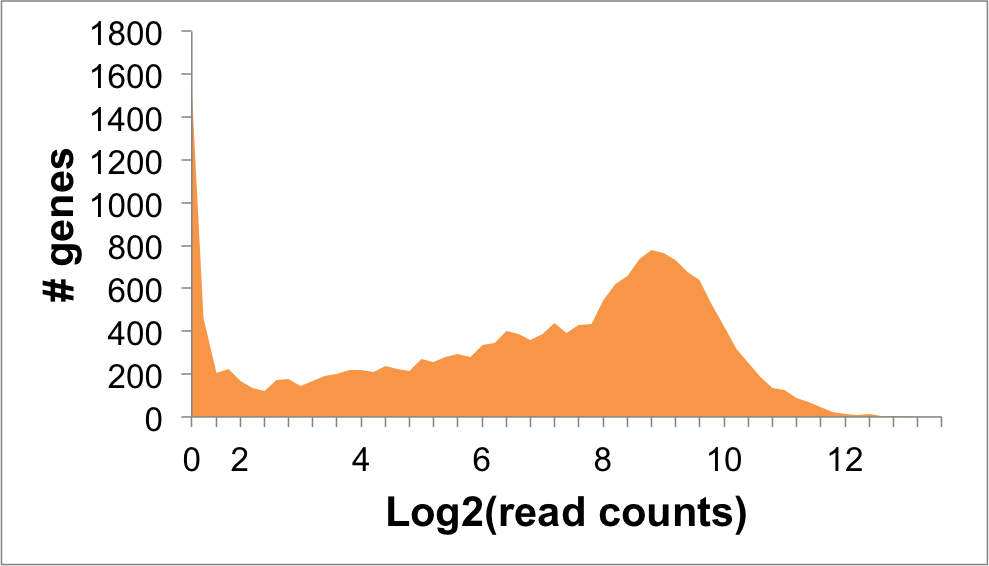
- Expression level (log2 read counts): 4.55
Expression Distribution
SPI1 Expression in NALM6 Cells: 4.55