TSC1
Gene Information
- Official Symbol: TSC1
- Official Name: TSC complex subunit 1
- Aliases and Previous Symbols: N/A
- Entrez ID: 7248
- UniProt: Q92574
- Interactions: BioGRID
- PubMed articles: Open PubMed
- OMIM: Open OMIM
Function Summary
- Entrez Summary: This gene encodes a growth inhibitory protein thought to play a role in the stabilization of tuberin. Mutations in this gene have been associated with tuberous sclerosis. Alternative splicing results in multiple transcript variants. [provided by RefSeq, Jun 2009].
- UniProt Summary: In complex with TSC2, inhibits the nutrient-mediated or growth factor-stimulated phosphorylation of S6K1 and EIF4EBP1 by negatively regulating mTORC1 signaling. Seems not to be required for TSC2 GAP activity towards RHEB. Implicated as a tumor suppressor. Involved in microtubule-mediated protein transport, but this seems to be due to unregulated mTOR signaling. {ECO:0000269|PubMed:12271141, ECO:0000269|PubMed:15340059, ECO:0000269|PubMed:28215400}.
Pfam Domains GO Terms
Pfam Domains
| Hamartin |
GO Terms
| immunological memory process |
| immunological memory formation process |
| memory T cell differentiation |
| rRNA export from nucleus |
| TSC1-TSC2 complex |
| rRNA transport |
| ATPase inhibitor activity |
| cellular response to oxygen-glucose deprivation |
| response to oxygen-glucose deprivation |
| glucose import |
| chaperone complex |
| negative regulation of cell size |
| rRNA-containing ribonucleoprotein complex export from nucleus |
| GTPase activating protein binding |
| negative regulation of ATPase activity |
| negative regulation of oxidative stress-induced neuron death |
| positive regulation of focal adhesion assembly |
| regulation of oxidative stress-induced neuron death |
| positive regulation of adherens junction organization |
| T cell differentiation involved in immune response |
| glucose transmembrane transport |
| positive regulation of cell junction assembly |
| negative regulation of macroautophagy |
| negative regulation of insulin receptor signaling pathway |
| hexose transmembrane transport |
| negative regulation of cellular response to insulin stimulus |
| monosaccharide transmembrane transport |
| ncRNA export from nucleus |
| carbohydrate transmembrane transport |
| Hsp90 protein binding |
| Hsp70 protein binding |
| negative regulation of oxidative stress-induced cell death |
| negative regulation of cellular response to oxidative stress |
| negative regulation of GTPase activity |
| negative regulation of response to oxidative stress |
| negative regulation of TOR signaling |
| positive regulation of cell-matrix adhesion |
| positive regulation of stress fiber assembly |
| regulation of cell-substrate junction assembly |
| regulation of focal adhesion assembly |
| positive regulation of actin filament bundle assembly |
| regulation of oxidative stress-induced cell death |
| T cell activation involved in immune response |
| regulation of insulin receptor signaling pathway |
| positive regulation of macroautophagy |
| regulation of adherens junction organization |
| regulation of cellular response to insulin stimulus |
| regulation of cellular response to oxidative stress |
| carbohydrate transport |
| adult locomotory behavior |
| regulation of stress fiber assembly |
| hippocampus development |
| actin filament |
| regulation of ATPase activity |
| lipid droplet |
| negative regulation of autophagy |
| regulation of response to oxidative stress |
| cardiac muscle cell differentiation |
| regulation of cell junction assembly |
| regulation of actomyosin structure organization |
| neural tube closure |
| tube closure |
| regulation of actin filament bundle assembly |
| primary neural tube formation |
| activation of GTPase activity |
| regulation of TOR signaling |
| chaperone binding |
| neural tube formation |
| myelination |
| protein heterooligomerization |
| protein N-terminus binding |
| ensheathment of neurons |
| axon ensheathment |
| limbic system development |
| lymphocyte activation involved in immune response |
| regulation of cell-matrix adhesion |
| cardiocyte differentiation |
| cerebral cortex development |
| regulation of phosphoprotein phosphatase activity |
| positive regulation of autophagy |
| positive regulation of cell-substrate adhesion |
| embryonic epithelial tube formation |
| ribonucleoprotein complex export from nucleus |
| ribonucleoprotein complex localization |
| cell-matrix adhesion |
| RNA export from nucleus |
| growth cone |
| negative regulation of translation |
| epithelial tube formation |
| T cell differentiation |
| cell cortex |
| regulation of protein dephosphorylation |
| morphogenesis of embryonic epithelium |
| adult behavior |
| tube formation |
| negative regulation of cellular amide metabolic process |
| protein export from nucleus |
| negative regulation of neuron projection development |
| nuclear export |
| neural tube development |
| cardiac muscle tissue development |
| potassium ion transport |
| regulation of macroautophagy |
| pallium development |
| regulation of phosphatase activity |
| protein stabilization |
| lamellipodium |
| regulation of cell size |
| negative regulation of cell projection organization |
| cell-substrate adhesion |
| RNA transport |
| nucleic acid transport |
| establishment of RNA localization |
| locomotory behavior |
| positive regulation of supramolecular fiber organization |
| cellular response to decreased oxygen levels |
| striated muscle cell differentiation |
| negative regulation of neuron death |
| regulation of dephosphorylation |
| regulation of cell-substrate adhesion |
| cellular response to oxygen levels |
| RNA localization |
| positive regulation of cytoskeleton organization |
| negative regulation of neuron differentiation |
| response to insulin |
| cellular response to nutrient levels |
| T cell activation |
| lymphocyte differentiation |
| nucleobase-containing compound transport |
| muscle cell differentiation |
| negative regulation of cellular catabolic process |
| postsynaptic density |
| protein-containing complex localization |
| telencephalon development |
| regulation of actin filament organization |
| nucleocytoplasmic transport |
| cellular response to extracellular stimulus |
| nuclear transport |
| kidney development |
| synapse organization |
| striated muscle tissue development |
| renal system development |
| regulation of protein stability |
| negative regulation of neurogenesis |
| muscle tissue development |
| ribosome biogenesis |
| epithelial tube morphogenesis |
| negative regulation of catabolic process |
| regulation of neuron death |
| negative regulation of nervous system development |
| urogenital system development |
| leukocyte differentiation |
| regulation of autophagy |
| negative regulation of cell development |
| cellular response to external stimulus |
| regulation of actin cytoskeleton organization |
| regulation of supramolecular fiber organization |
| regulation of translation |
| response to decreased oxygen levels |
| positive regulation of cellular catabolic process |
| regulation of cellular component size |
| response to oxygen levels |
| lymphocyte activation |
| forebrain development |
| regulation of actin filament-based process |
| response to peptide hormone |
| monovalent inorganic cation transport |
| regulation of cellular amide metabolic process |
| positive regulation of cell adhesion |
| positive regulation of GTPase activity |
| positive regulation of catabolic process |
| morphogenesis of an epithelium |
| negative regulation of hydrolase activity |
| ribonucleoprotein complex biogenesis |
| response to peptide |
| muscle structure development |
| regulation of GTPase activity |
| regulation of neuron projection development |
| response to nutrient levels |
| negative regulation of intracellular signal transduction |
| regulation of anatomical structure size |
| protein complex oligomerization |
| positive regulation of cellular component biogenesis |
| posttranscriptional regulation of gene expression |
| heart development |
| response to extracellular stimulus |
| regulation of cytoskeleton organization |
| hemopoiesis |
| tissue morphogenesis |
| embryonic morphogenesis |
| behavior |
| protein-containing complex |
| hematopoietic or lymphoid organ development |
| adaptive immune response |
| positive regulation of organelle organization |
| leukocyte activation involved in immune response |
| cell activation involved in immune response |
| chordate embryonic development |
| metal ion transport |
| immune system development |
| embryo development ending in birth or egg hatching |
| tube morphogenesis |
| regulation of neuron differentiation |
| negative regulation of cell population proliferation |
| regulation of cell adhesion |
| regulation of plasma membrane bounded cell projection organization |
| perinuclear region of cytoplasm |
| negative regulation of cellular component organization |
| regulation of cell projection organization |
| negative regulation of cell differentiation |
| regulation of cellular response to stress |
| brain development |
| positive regulation of hydrolase activity |
| head development |
| negative regulation of catalytic activity |
| regulation of protein kinase activity |
| regulation of neurogenesis |
| cation transport |
| regulation of cellular catabolic process |
| tube development |
| circulatory system development |
| regulation of kinase activity |
| anatomical structure formation involved in morphogenesis |
| response to hormone |
| regulation of nervous system development |
| leukocyte activation |
| cell adhesion |
| regulation of cell development |
| biological adhesion |
| negative regulation of developmental process |
| regulation of cellular component biogenesis |
| regulation of transferase activity |
| embryo development |
| central nervous system development |
| intracellular protein transport |
| regulation of catabolic process |
| negative regulation of cell death |
| response to organonitrogen compound |
| negative regulation of cellular protein metabolic process |
| cell activation |
| response to nitrogen compound |
| immune effector process |
| negative regulation of protein metabolic process |
| epithelium development |
| negative regulation of molecular function |
| response to abiotic stimulus |
| cell projection organization |
| regulation of cell cycle |
| negative regulation of multicellular organismal process |
| positive regulation of cellular component organization |
| negative regulation of signal transduction |
| transmembrane transport |
| regulation of hydrolase activity |
| regulation of organelle organization |
| negative regulation of cell communication |
| negative regulation of signaling |
| ion transport |
| negative regulation of cellular macromolecule biosynthetic process |
| positive regulation of catalytic activity |
| regulation of protein phosphorylation |
| negative regulation of macromolecule biosynthetic process |
| response to endogenous stimulus |
| regulation of response to stress |
| protein transport |
| negative regulation of cellular biosynthetic process |
| intracellular transport |
| generation of neurons |
| peptide transport |
| negative regulation of biosynthetic process |
| response to oxygen-containing compound |
| protein-containing complex assembly |
| amide transport |
| cellular protein localization |
| regulation of phosphorylation |
| cellular macromolecule localization |
| establishment of protein localization |
| regulation of cell population proliferation |
| negative regulation of response to stimulus |
| neurogenesis |
| regulation of cell death |
| negative regulation of gene expression |
| tissue development |
| positive regulation of molecular function |
| regulation of phosphate metabolic process |
| regulation of phosphorus metabolic process |
| regulation of cell differentiation |
| regulation of intracellular signal transduction |
| establishment of localization in cell |
| regulation of protein modification process |
| nitrogen compound transport |
| protein-containing complex subunit organization |
| immune response |
| membrane |
CRISPR Data
Compound Hit Most Correlated Genes in Chemogenomics Tissues where Essential in the Avana Dataset (DepMap 20Q1)
Compound Hit
Tissues where Essential in the Avana Dataset (DepMap 20Q1)
Global Fraction of Cell Lines Where Essential: 4/739
| Tissue | Fraction Of Cell Lines Where Essential |
|---|---|
| 1290807.0 | 0/1 |
| 909776.0 | 0/1 |
| bile duct | 0/28 |
| blood | 0/28 |
| bone | 0/26 |
| breast | 0/33 |
| central nervous system | 1/56 |
| cervix | 0/4 |
| colorectal | 0/17 |
| esophagus | 0/13 |
| fibroblast | 0/1 |
| gastric | 0/16 |
| kidney | 1/21 |
| liver | 0/20 |
| lung | 0/75 |
| lymphocyte | 0/16 |
| ovary | 0/26 |
| pancreas | 0/24 |
| peripheral nervous system | 0/16 |
| plasma cell | 0/15 |
| prostate | 0/1 |
| skin | 0/24 |
| soft tissue | 0/9 |
| thyroid | 0/2 |
| upper aerodigestive | 0/22 |
| urinary tract | 0/29 |
| uterus | 0/5 |
Essentiality in NALM6
- Essentiality Rank: 4709
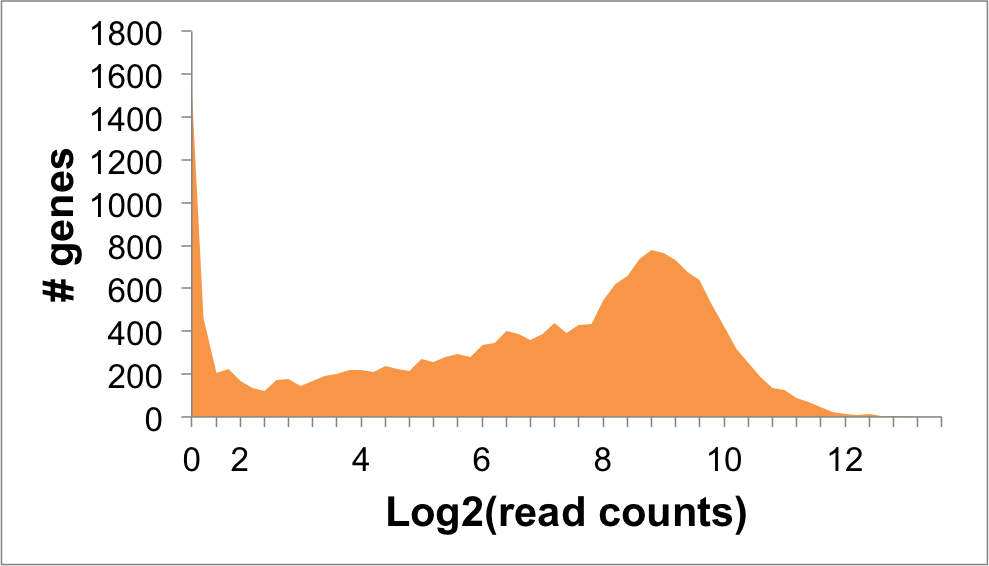
- Expression level (log2 read counts): 7.04
Expression Distribution
TSC1 Expression in NALM6 Cells: 7.04