SOX4
Gene Information
- Official Symbol: SOX4
- Official Name: SRY-box transcription factor 4
- Aliases and Previous Symbols: N/A
- Entrez ID: 6659
- UniProt: Q06945
- Interactions: BioGRID
- PubMed articles: Open PubMed
- OMIM: Open OMIM
Function Summary
- Entrez Summary: This intronless gene encodes a member of the SOX (SRY-related HMG-box) family of transcription factors involved in the regulation of embryonic development and in the determination of the cell fate. The encoded protein may act as a transcriptional regulator after forming a protein complex with other proteins, such as syndecan binding protein (syntenin). The protein may function in the apoptosis pathway leading to cell death as well as to tumorigenesis and may mediate downstream effects of parathyroid hormone (PTH) and PTH-related protein (PTHrP) in bone development. The solution structure has been resolved for the HMG-box of a similar mouse protein. [provided by RefSeq, Jul 2008].
- UniProt Summary: Transcriptional activator that binds with high affinity to the T-cell enhancer motif 5'-AACAAAG-3' motif.
Pfam Domains GO Terms
Pfam Domains
| HMG box |
GO Terms
| positive regulation of N-terminal peptidyl-lysine acetylation |
| regulation of N-terminal peptidyl-lysine acetylation |
| pro-B cell differentiation |
| ascending aorta morphogenesis |
| atrial septum primum morphogenesis |
| ascending aorta development |
| septum primum development |
| noradrenergic neuron differentiation |
| cardiac ventricle formation |
| mitral valve morphogenesis |
| cardiac chamber formation |
| limb bud formation |
| mitral valve development |
| lymphoid progenitor cell differentiation |
| glial cell proliferation |
| atrial septum morphogenesis |
| cardiac right ventricle morphogenesis |
| sympathetic nervous system development |
| atrial septum development |
| nuclear transcription factor complex |
| atrioventricular valve morphogenesis |
| positive regulation of protein maturation |
| atrioventricular valve development |
| aorta morphogenesis |
| cardiac atrium morphogenesis |
| positive regulation of peptidyl-lysine acetylation |
| spinal cord motor neuron differentiation |
| cardiac atrium development |
| endocrine pancreas development |
| DNA damage response, detection of DNA damage |
| positive regulation of protein acetylation |
| ventricular septum morphogenesis |
| neuroepithelial cell differentiation |
| autonomic nervous system development |
| ventral spinal cord development |
| aorta development |
| heart valve morphogenesis |
| cell differentiation in spinal cord |
| DNA damage response, signal transduction by p53 class mediator resulting in cell cycle arrest |
| signal transduction involved in mitotic DNA damage checkpoint |
| signal transduction involved in mitotic cell cycle checkpoint |
| signal transduction involved in mitotic G1 DNA damage checkpoint |
| intracellular signal transduction involved in G1 DNA damage checkpoint |
| signal transduction involved in mitotic DNA integrity checkpoint |
| heart valve development |
| artery morphogenesis |
| regulation of peptidyl-lysine acetylation |
| mitotic G1 DNA damage checkpoint |
| mitotic G1/S transition checkpoint |
| G1 DNA damage checkpoint |
| somatic stem cell population maintenance |
| regulation of protein maturation |
| cellular response to glucose stimulus |
| signal transduction involved in DNA integrity checkpoint |
| cellular response to hexose stimulus |
| signal transduction involved in DNA damage checkpoint |
| regulation of protein acetylation |
| ventricular septum development |
| positive regulation of insulin secretion |
| cellular response to monosaccharide stimulus |
| signal transduction involved in cell cycle checkpoint |
| pancreas development |
| cardiac septum morphogenesis |
| negative regulation of protein ubiquitination |
| cardiac ventricle morphogenesis |
| transcription regulatory region sequence-specific DNA binding |
| DNA damage response, signal transduction by p53 class mediator |
| positive regulation of cell cycle arrest |
| cellular response to carbohydrate stimulus |
| negative regulation of protein modification by small protein conjugation or removal |
| kidney morphogenesis |
| artery development |
| hematopoietic progenitor cell differentiation |
| cellular glucose homeostasis |
| mitotic DNA damage checkpoint |
| columnar/cuboidal epithelial cell differentiation |
| positive regulation of peptide hormone secretion |
| negative regulation of G1/S transition of mitotic cell cycle |
| mitotic DNA integrity checkpoint |
| signal transduction in response to DNA damage |
| neural tube formation |
| negative regulation of cell cycle G1/S phase transition |
| spinal cord development |
| glial cell development |
| regulation of cell cycle arrest |
| cardiac septum development |
| signal transduction by p53 class mediator |
| endocrine system development |
| embryonic epithelial tube formation |
| positive regulation of translation |
| cardiac chamber morphogenesis |
| cardiac ventricle development |
| positive regulation of hormone secretion |
| epithelial tube formation |
| DNA damage checkpoint |
| stem cell population maintenance |
| T cell differentiation |
| maintenance of cell number |
| response to glucose |
| response to hexose |
| positive regulation of canonical Wnt signaling pathway |
| DNA integrity checkpoint |
| morphogenesis of embryonic epithelium |
| tube formation |
| response to monosaccharide |
| limb morphogenesis |
| appendage morphogenesis |
| regulation of G1/S transition of mitotic cell cycle |
| positive regulation of cellular amide metabolic process |
| mitotic cell cycle checkpoint |
| neural tube development |
| regulation of cell cycle G1/S phase transition |
| cardiac chamber development |
| glial cell differentiation |
| response to carbohydrate |
| positive regulation of Wnt signaling pathway |
| protein stabilization |
| regulation of insulin secretion |
| central nervous system neuron differentiation |
| limb development |
| appendage development |
| glucose homeostasis |
| carbohydrate homeostasis |
| cell cycle checkpoint |
| regulation of protein ubiquitination |
| regulation of peptide hormone secretion |
| negative regulation of mitotic cell cycle phase transition |
| gliogenesis |
| regulation of protein modification by small protein conjugation or removal |
| negative regulation of cell cycle phase transition |
| T cell activation |
| lymphocyte differentiation |
| heart morphogenesis |
| regulation of hormone secretion |
| kidney development |
| positive regulation of protein secretion |
| regulation of canonical Wnt signaling pathway |
| transcription coactivator activity |
| renal system development |
| positive regulation of cell cycle process |
| regulation of protein stability |
| positive regulation of peptide secretion |
| negative regulation of mitotic cell cycle |
| epithelial tube morphogenesis |
| urogenital system development |
| negative regulation of cell cycle process |
| leukocyte differentiation |
| regulation of translation |
| regulation of Wnt signaling pathway |
| positive regulation of cell cycle |
| lymphocyte activation |
| regulation of cellular amide metabolic process |
| positive regulation of secretion by cell |
| blood vessel morphogenesis |
| regulation of mitotic cell cycle phase transition |
| positive regulation of protein transport |
| morphogenesis of an epithelium |
| positive regulation of secretion |
| regulation of cell cycle phase transition |
| DNA-binding transcription activator activity, RNA polymerase II-specific |
| positive regulation of establishment of protein localization |
| regulation of protein secretion |
| blood vessel development |
| protein heterodimerization activity |
| regulation of peptide secretion |
| skeletal system development |
| RNA polymerase II proximal promoter sequence-specific DNA binding |
| vasculature development |
| cardiovascular system development |
| posttranscriptional regulation of gene expression |
| heart development |
| regulation of hormone levels |
| cell population proliferation |
| hemopoiesis |
| tissue morphogenesis |
| embryonic morphogenesis |
| negative regulation of cell cycle |
| negative regulation of protein modification process |
| mitotic cell cycle process |
| hematopoietic or lymphoid organ development |
| regulation of mitotic cell cycle |
| chordate embryonic development |
| positive regulation of apoptotic process |
| immune system development |
| positive regulation of programmed cell death |
| embryo development ending in birth or egg hatching |
| tube morphogenesis |
| DNA-binding transcription factor activity |
| negative regulation of cell population proliferation |
| epithelial cell differentiation |
| mitotic cell cycle |
| detection of stimulus |
| positive regulation of cell death |
| regulation of protein transport |
| regulation of peptide transport |
| cellular chemical homeostasis |
| regulation of establishment of protein localization |
| regulation of secretion by cell |
| regulation of cell cycle process |
| cellular response to DNA damage stimulus |
| regulation of secretion |
| tube development |
| circulatory system development |
| anatomical structure formation involved in morphogenesis |
| cellular homeostasis |
| positive regulation of cell population proliferation |
| leukocyte activation |
| animal organ morphogenesis |
| embryo development |
| central nervous system development |
| positive regulation of transport |
| negative regulation of cell death |
| cell cycle process |
| neuron differentiation |
| regulation of protein localization |
| negative regulation of cellular protein metabolic process |
| cellular response to oxygen-containing compound |
| cell activation |
| negative regulation of protein metabolic process |
| chemical homeostasis |
| epithelium development |
| regulation of cell cycle |
| positive regulation of transcription by RNA polymerase II |
| positive regulation of protein modification process |
| mitochondrion |
| cell cycle |
| generation of neurons |
| regulation of apoptotic process |
| positive regulation of transcription, DNA-templated |
| response to oxygen-containing compound |
| DNA-binding transcription factor activity, RNA polymerase II-specific |
| regulation of programmed cell death |
| positive regulation of cellular protein metabolic process |
| regulation of cell population proliferation |
| neurogenesis |
| positive regulation of nucleic acid-templated transcription |
| positive regulation of RNA biosynthetic process |
| homeostatic process |
| cell development |
| positive regulation of signal transduction |
| regulation of cell death |
| intracellular signal transduction |
| cellular response to stress |
| positive regulation of protein metabolic process |
| positive regulation of RNA metabolic process |
| tissue development |
| positive regulation of cell communication |
| positive regulation of signaling |
| regulation of protein modification process |
| regulation of transport |
| positive regulation of nucleobase-containing compound metabolic process |
| positive regulation of macromolecule biosynthetic process |
| positive regulation of cellular biosynthetic process |
| positive regulation of gene expression |
| positive regulation of biosynthetic process |
CRISPR Data
Compound Hit Most Correlated Genes in Chemogenomics Tissues where Essential in the Avana Dataset (DepMap 20Q1)
Compound Hit
Most Correlated Genes in Chemogenomics
No correlation found to any other genes in chemogenomics.
Tissues where Essential in the Avana Dataset (DepMap 20Q1)
Global Fraction of Cell Lines Where Essential: 0/739
| Tissue | Fraction Of Cell Lines Where Essential |
|---|---|
| 1290807.0 | 0/1 |
| 909776.0 | 0/1 |
| bile duct | 0/28 |
| blood | 0/28 |
| bone | 0/26 |
| breast | 0/33 |
| central nervous system | 0/56 |
| cervix | 0/4 |
| colorectal | 0/17 |
| esophagus | 0/13 |
| fibroblast | 0/1 |
| gastric | 0/16 |
| kidney | 0/21 |
| liver | 0/20 |
| lung | 0/75 |
| lymphocyte | 0/16 |
| ovary | 0/26 |
| pancreas | 0/24 |
| peripheral nervous system | 0/16 |
| plasma cell | 0/15 |
| prostate | 0/1 |
| skin | 0/24 |
| soft tissue | 0/9 |
| thyroid | 0/2 |
| upper aerodigestive | 0/22 |
| urinary tract | 0/29 |
| uterus | 0/5 |
Essentiality in NALM6
- Essentiality Rank: 19001
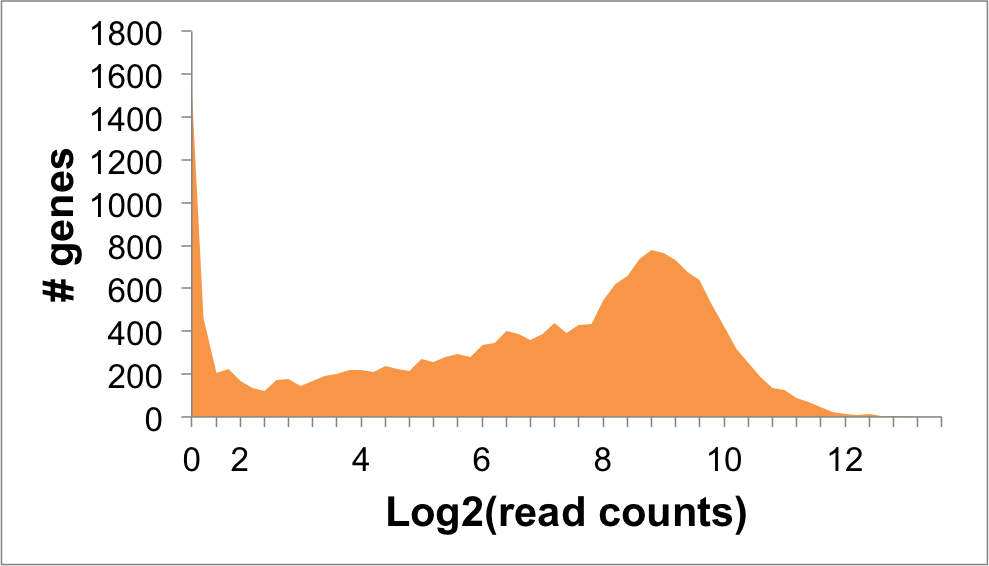
- Expression level (log2 read counts): 7.68
Expression Distribution
SOX4 Expression in NALM6 Cells: 7.68