CSK
Gene Information
- Official Symbol: CSK
- Official Name: C-terminal Src kinase
- Aliases and Previous Symbols: N/A
- Entrez ID: 1445
- UniProt: P41240
- Interactions: BioGRID
- PubMed articles: Open PubMed
- OMIM: Open OMIM
Function Summary
- Entrez Summary: N/A
- UniProt Summary: Non-receptor tyrosine-protein kinase that plays an important role in the regulation of cell growth, differentiation, migration and immune response. Phosphorylates tyrosine residues located in the C-terminal tails of Src-family kinases (SFKs) including LCK, SRC, HCK, FYN, LYN or YES1. Upon tail phosphorylation, Src-family members engage in intramolecular interactions between the phosphotyrosine tail and the SH2 domain that result in an inactive conformation. To inhibit SFKs, CSK is recruited to the plasma membrane via binding to transmembrane proteins or adapter proteins located near the plasma membrane. Suppresses signaling by various surface receptors, including T- cell receptor (TCR) and B-cell receptor (BCR) by phosphorylating and maintaining inactive several positive effectors such as FYN or LCK. {ECO:0000269|PubMed:1639064, ECO:0000269|PubMed:9281320}.
Pfam Domains GO Terms
Pfam Domains
| Pkinase |
| SH3 1 |
| SH2 |
| Pkinase Tyr |
| SH3 2 |
GO Terms
| negative regulation of Golgi to plasma membrane protein transport |
| negative regulation of low-density lipoprotein particle clearance |
| regulation of Golgi to plasma membrane protein transport |
| negative regulation of lipoprotein particle clearance |
| regulation of low-density lipoprotein particle clearance |
| regulation of Fc receptor mediated stimulatory signaling pathway |
| protein kinase A catalytic subunit binding |
| negative regulation of bone resorption |
| negative regulation of bone remodeling |
| regulation of lipoprotein particle clearance |
| proline-rich region binding |
| negative regulation of tissue remodeling |
| negative regulation of phagocytosis |
| negative regulation of protein localization to plasma membrane |
| negative regulation of protein localization to cell periphery |
| negative regulation of protein localization to membrane |
| regulation of bone resorption |
| negative regulation of interleukin-6 production |
| non-membrane spanning protein tyrosine kinase activity |
| regulation of bone remodeling |
| T cell costimulation |
| lymphocyte costimulation |
| negative regulation of ERK1 and ERK2 cascade |
| oligodendrocyte differentiation |
| regulation of tissue remodeling |
| adherens junction organization |
| protein phosphatase binding |
| protein tyrosine kinase activity |
| regulation of protein localization to plasma membrane |
| regulation of phagocytosis |
| negative regulation of cellular protein localization |
| regulation of protein localization to cell periphery |
| regulation of interleukin-6 production |
| peptidyl-tyrosine phosphorylation |
| peptidyl-tyrosine modification |
| negative regulation of MAPK cascade |
| glial cell differentiation |
| cell-cell junction |
| T cell receptor signaling pathway |
| negative regulation of protein transport |
| negative regulation of establishment of protein localization |
| regulation of protein localization to membrane |
| protein C-terminus binding |
| protein autophosphorylation |
| positive regulation of T cell activation |
| gliogenesis |
| cell junction organization |
| positive regulation of leukocyte cell-cell adhesion |
| membrane raft |
| negative regulation of kinase activity |
| positive regulation of cell-cell adhesion |
| positive regulation of MAP kinase activity |
| cellular response to peptide hormone stimulus |
| negative regulation of cytokine production |
| negative regulation of transferase activity |
| regulation of ERK1 and ERK2 cascade |
| antigen receptor-mediated signaling pathway |
| regulation of leukocyte cell-cell adhesion |
| regulation of T cell activation |
| cellular response to peptide |
| positive regulation of protein serine/threonine kinase activity |
| regulation of MAP kinase activity |
| positive regulation of lymphocyte activation |
| response to peptide hormone |
| regulation of cell-cell adhesion |
| positive regulation of cell adhesion |
| positive regulation of leukocyte activation |
| negative regulation of protein phosphorylation |
| positive regulation of cell activation |
| negative regulation of phosphorylation |
| immune response-activating cell surface receptor signaling pathway |
| response to peptide |
| immune response-regulating cell surface receptor signaling pathway |
| negative regulation of transport |
| negative regulation of intracellular signal transduction |
| regulation of lymphocyte activation |
| regulation of protein serine/threonine kinase activity |
| positive regulation of protein kinase activity |
| regulation of cellular protein localization |
| positive regulation of MAPK cascade |
| regulation of vesicle-mediated transport |
| negative regulation of phosphate metabolic process |
| negative regulation of phosphorus metabolic process |
| immune response-activating signal transduction |
| positive regulation of kinase activity |
| negative regulation of protein modification process |
| immune response-regulating signaling pathway |
| cellular response to organonitrogen compound |
| regulation of leukocyte activation |
| cellular response to hormone stimulus |
| adaptive immune response |
| activation of immune response |
| regulation of cell activation |
| positive regulation of transferase activity |
| cellular response to nitrogen compound |
| negative regulation of cell population proliferation |
| regulation of cell adhesion |
| regulation of cytokine production |
| regulation of protein transport |
| regulation of peptide transport |
| brain development |
| regulation of establishment of protein localization |
| regulation of MAPK cascade |
| head development |
| negative regulation of catalytic activity |
| regulation of protein kinase activity |
| positive regulation of immune response |
| regulation of kinase activity |
| peptidyl-amino acid modification |
| response to hormone |
| regulation of cellular localization |
| protein phosphorylation |
| regulation of transferase activity |
| central nervous system development |
| response to organonitrogen compound |
| positive regulation of protein phosphorylation |
| positive regulation of intracellular signal transduction |
| regulation of protein localization |
| negative regulation of cellular protein metabolic process |
| cellular response to oxygen-containing compound |
| positive regulation of phosphorylation |
| identical protein binding |
| response to nitrogen compound |
| negative regulation of protein metabolic process |
| positive regulation of phosphate metabolic process |
| positive regulation of phosphorus metabolic process |
| negative regulation of molecular function |
| regulation of immune response |
| positive regulation of immune system process |
| negative regulation of multicellular organismal process |
| cellular response to endogenous stimulus |
| positive regulation of protein modification process |
| negative regulation of signal transduction |
| phosphorylation |
| negative regulation of cell communication |
| negative regulation of signaling |
| positive regulation of catalytic activity |
| regulation of protein phosphorylation |
| response to endogenous stimulus |
| ATP binding |
| response to oxygen-containing compound |
| regulation of phosphorylation |
| positive regulation of cellular protein metabolic process |
| regulation of cell population proliferation |
| negative regulation of response to stimulus |
| neurogenesis |
| positive regulation of signal transduction |
| regulation of immune system process |
| positive regulation of protein metabolic process |
| positive regulation of molecular function |
| regulation of phosphate metabolic process |
| regulation of phosphorus metabolic process |
| positive regulation of cell communication |
| positive regulation of signaling |
| regulation of intracellular signal transduction |
| regulation of protein modification process |
| regulation of transport |
| immune response |
CRISPR Data
Compound Hit Most Correlated Genes in Chemogenomics Tissues where Essential in the Avana Dataset (DepMap 20Q1)
Compound Hit
Tissues where Essential in the Avana Dataset (DepMap 20Q1)
Global Fraction of Cell Lines Where Essential: 1/739
| Tissue | Fraction Of Cell Lines Where Essential |
|---|---|
| 1290807.0 | 0/1 |
| 909776.0 | 0/1 |
| bile duct | 0/28 |
| blood | 0/28 |
| bone | 0/26 |
| breast | 0/33 |
| central nervous system | 0/56 |
| cervix | 0/4 |
| colorectal | 0/17 |
| esophagus | 0/13 |
| fibroblast | 0/1 |
| gastric | 0/16 |
| kidney | 0/21 |
| liver | 0/20 |
| lung | 0/75 |
| lymphocyte | 0/16 |
| ovary | 0/26 |
| pancreas | 0/24 |
| peripheral nervous system | 0/16 |
| plasma cell | 0/15 |
| prostate | 0/1 |
| skin | 0/24 |
| soft tissue | 0/9 |
| thyroid | 0/2 |
| upper aerodigestive | 0/22 |
| urinary tract | 0/29 |
| uterus | 0/5 |
Essentiality in NALM6
- Essentiality Rank: 4496
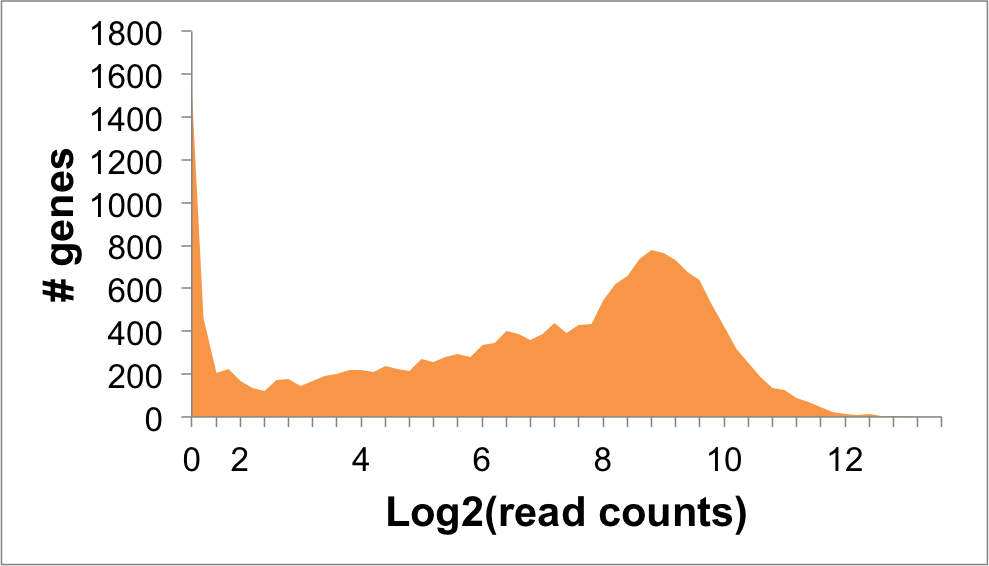
- Expression level (log2 read counts): 7.51
Expression Distribution
CSK Expression in NALM6 Cells: 7.51