GCLC
Gene Information
- Official Symbol: GCLC
- Official Name: glutamate-cysteine ligase catalytic subunit
- Aliases and Previous Symbols: N/A
- Entrez ID: 2729
- UniProt: P48506
- Interactions: BioGRID
- PubMed articles: Open PubMed
- OMIM: Open OMIM
Function Summary
- Entrez Summary: Glutamate-cysteine ligase, also known as gamma-glutamylcysteine synthetase is the first rate-limiting enzyme of glutathione synthesis. The enzyme consists of two subunits, a heavy catalytic subunit and a light regulatory subunit. This locus encodes the catalytic subunit, while the regulatory subunit is derived from a different gene located on chromosome 1p22-p21. Mutations at this locus have been associated with hemolytic anemia due to deficiency of gamma-glutamylcysteine synthetase and susceptibility to myocardial infarction.[provided by RefSeq, Oct 2010].
- UniProt Summary: N/A
Pfam Domains GO Terms
Pfam Domains
| GCS |
GO Terms
| cellular response to L-phenylalanine derivative |
| cellular response to thyroxine stimulus |
| glutamate-cysteine ligase complex |
| negative regulation of hepatic stellate cell activation |
| glutamate-cysteine ligase activity |
| response to human chorionic gonadotropin |
| response to thyroxine |
| response to L-phenylalanine derivative |
| regulation of hepatic stellate cell activation |
| response to nitrosative stress |
| glutamate binding |
| L-ascorbic acid metabolic process |
| coenzyme binding |
| cellular response to follicle-stimulating hormone stimulus |
| cysteine metabolic process |
| glutathione biosynthetic process |
| cellular response to thyroid hormone stimulus |
| response to follicle-stimulating hormone |
| cellular response to hepatocyte growth factor stimulus |
| nonribosomal peptide biosynthetic process |
| cellular response to gonadotropin stimulus |
| response to hepatocyte growth factor |
| regulation of mitochondrial depolarization |
| response to thyroid hormone |
| response to gonadotropin |
| glutamate metabolic process |
| response to arsenic-containing substance |
| ADP binding |
| sulfur amino acid metabolic process |
| serine family amino acid metabolic process |
| regulation of membrane depolarization |
| cellular modified amino acid biosynthetic process |
| glutathione metabolic process |
| apoptotic mitochondrial changes |
| response to cadmium ion |
| response to activity |
| cellular response to amino acid stimulus |
| cellular response to glucose stimulus |
| regulation of mitochondrial membrane potential |
| glutamine family amino acid metabolic process |
| cellular response to hexose stimulus |
| cellular response to monosaccharide stimulus |
| negative regulation of protein ubiquitination |
| cell redox homeostasis |
| cellular response to mechanical stimulus |
| cellular response to carbohydrate stimulus |
| positive regulation of proteasomal ubiquitin-dependent protein catabolic process |
| negative regulation of protein modification by small protein conjugation or removal |
| water-soluble vitamin metabolic process |
| cellular glucose homeostasis |
| dicarboxylic acid metabolic process |
| positive regulation of ubiquitin-dependent protein catabolic process |
| negative regulation of extrinsic apoptotic signaling pathway |
| positive regulation of proteasomal protein catabolic process |
| cellular response to fibroblast growth factor stimulus |
| response to heat |
| response to amino acid |
| response to fibroblast growth factor |
| positive regulation of proteolysis involved in cellular protein catabolic process |
| regulation of proteasomal ubiquitin-dependent protein catabolic process |
| vitamin metabolic process |
| response to glucose |
| regulation of tube diameter |
| regulation of blood vessel diameter |
| regulation of tube size |
| positive regulation of cellular protein catabolic process |
| response to hexose |
| negative regulation of neuron apoptotic process |
| response to monosaccharide |
| regulation of ubiquitin-dependent protein catabolic process |
| regulation of extrinsic apoptotic signaling pathway |
| cellular response to insulin stimulus |
| vascular process in circulatory system |
| response to carbohydrate |
| response to temperature stimulus |
| sulfur compound biosynthetic process |
| regulation of proteasomal protein catabolic process |
| glucose homeostasis |
| carbohydrate homeostasis |
| negative regulation of cell activation |
| cellular modified amino acid metabolic process |
| response to interleukin-1 |
| regulation of protein ubiquitination |
| monosaccharide metabolic process |
| regulation of neuron apoptotic process |
| negative regulation of neuron death |
| cellular response to acid chemical |
| alpha-amino acid metabolic process |
| cofactor biosynthetic process |
| response to mechanical stimulus |
| response to nutrient |
| magnesium ion binding |
| positive regulation of protein catabolic process |
| regulation of proteolysis involved in cellular protein catabolic process |
| negative regulation of apoptotic signaling pathway |
| response to insulin |
| regulation of protein modification by small protein conjugation or removal |
| regulation of cellular protein catabolic process |
| coenzyme metabolic process |
| cellular response to peptide hormone stimulus |
| aging |
| response to xenobiotic stimulus |
| cellular amino acid metabolic process |
| regulation of neuron death |
| cellular response to environmental stimulus |
| cellular response to abiotic stimulus |
| cellular response to peptide |
| cellular response to external stimulus |
| response to acid chemical |
| positive regulation of proteolysis |
| positive regulation of cellular catabolic process |
| sulfur compound metabolic process |
| response to metal ion |
| regulation of protein catabolic process |
| response to oxidative stress |
| blood circulation |
| response to peptide hormone |
| circulatory system process |
| regulation of apoptotic signaling pathway |
| cellular response to drug |
| peptide biosynthetic process |
| regulation of membrane potential |
| positive regulation of catabolic process |
| cofactor metabolic process |
| mitochondrion organization |
| response to peptide |
| carbohydrate metabolic process |
| protein heterodimerization activity |
| response to nutrient levels |
| cellular response to growth factor stimulus |
| regulation of anatomical structure size |
| amide biosynthetic process |
| peptide metabolic process |
| response to extracellular stimulus |
| response to growth factor |
| response to inorganic substance |
| cellular response to organic cyclic compound |
| negative regulation of protein modification process |
| cellular response to organonitrogen compound |
| cellular response to hormone stimulus |
| regulation of cell activation |
| cellular response to nitrogen compound |
| regulation of proteolysis |
| cellular chemical homeostasis |
| cellular amide metabolic process |
| ion homeostasis |
| regulation of cellular catabolic process |
| negative regulation of apoptotic process |
| cellular homeostasis |
| negative regulation of programmed cell death |
| response to hormone |
| carboxylic acid metabolic process |
| response to organic cyclic compound |
| apoptotic process |
| negative regulation of cell death |
| regulation of catabolic process |
| response to organonitrogen compound |
| oxoacid metabolic process |
| response to drug |
| organic acid metabolic process |
| negative regulation of cellular protein metabolic process |
| programmed cell death |
| cellular response to oxygen-containing compound |
| response to nitrogen compound |
| cell death |
| response to cytokine |
| negative regulation of protein metabolic process |
| chemical homeostasis |
| response to abiotic stimulus |
| negative regulation of transcription, DNA-templated |
| cellular response to endogenous stimulus |
| negative regulation of nucleic acid-templated transcription |
| negative regulation of RNA biosynthetic process |
| negative regulation of signal transduction |
| negative regulation of RNA metabolic process |
| negative regulation of cell communication |
| negative regulation of signaling |
| negative regulation of cellular macromolecule biosynthetic process |
| organonitrogen compound biosynthetic process |
| negative regulation of nucleobase-containing compound metabolic process |
| negative regulation of macromolecule biosynthetic process |
| response to endogenous stimulus |
| ATP binding |
| negative regulation of cellular biosynthetic process |
| regulation of apoptotic process |
| negative regulation of biosynthetic process |
| response to oxygen-containing compound |
| regulation of programmed cell death |
| positive regulation of cellular protein metabolic process |
| negative regulation of response to stimulus |
| cellular nitrogen compound biosynthetic process |
| homeostatic process |
| regulation of cell death |
| positive regulation of protein metabolic process |
| negative regulation of gene expression |
| small molecule metabolic process |
| regulation of protein modification process |
| system process |
CRISPR Data
Compound Hit Most Correlated Genes in Chemogenomics Tissues where Essential in the Avana Dataset (DepMap 20Q1)
Compound Hit
Tissues where Essential in the Avana Dataset (DepMap 20Q1)
Global Fraction of Cell Lines Where Essential: 2/739
| Tissue | Fraction Of Cell Lines Where Essential |
|---|---|
| 1290807.0 | 0/1 |
| 909776.0 | 0/1 |
| bile duct | 0/28 |
| blood | 0/28 |
| bone | 0/26 |
| breast | 0/33 |
| central nervous system | 0/56 |
| cervix | 0/4 |
| colorectal | 0/17 |
| esophagus | 0/13 |
| fibroblast | 0/1 |
| gastric | 0/16 |
| kidney | 0/21 |
| liver | 0/20 |
| lung | 0/75 |
| lymphocyte | 0/16 |
| ovary | 0/26 |
| pancreas | 0/24 |
| peripheral nervous system | 0/16 |
| plasma cell | 0/15 |
| prostate | 0/1 |
| skin | 0/24 |
| soft tissue | 0/9 |
| thyroid | 0/2 |
| upper aerodigestive | 0/22 |
| urinary tract | 0/29 |
| uterus | 0/5 |
Essentiality in NALM6
- Essentiality Rank: 260
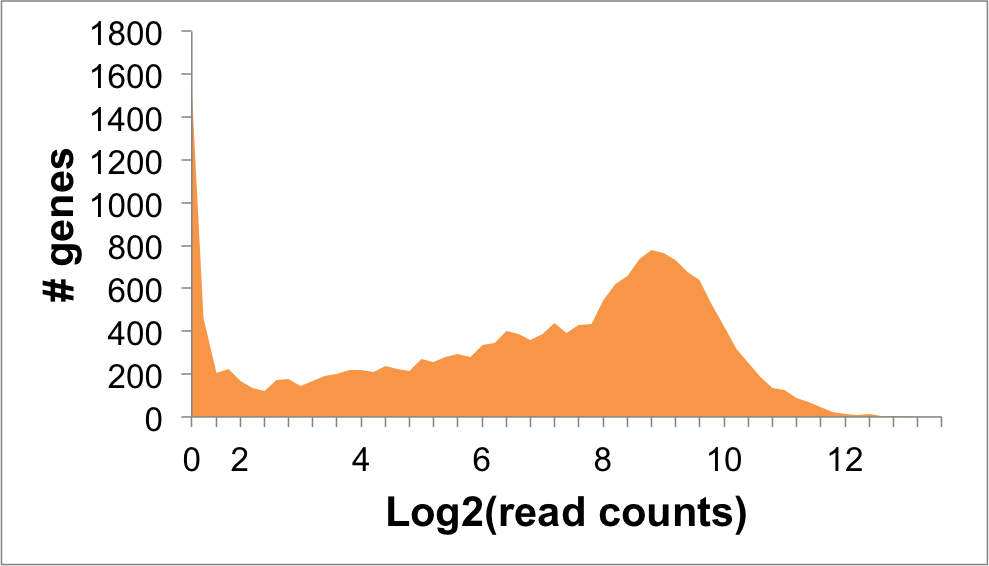
- Expression level (log2 read counts): 4.71
Expression Distribution
GCLC Expression in NALM6 Cells: 4.71